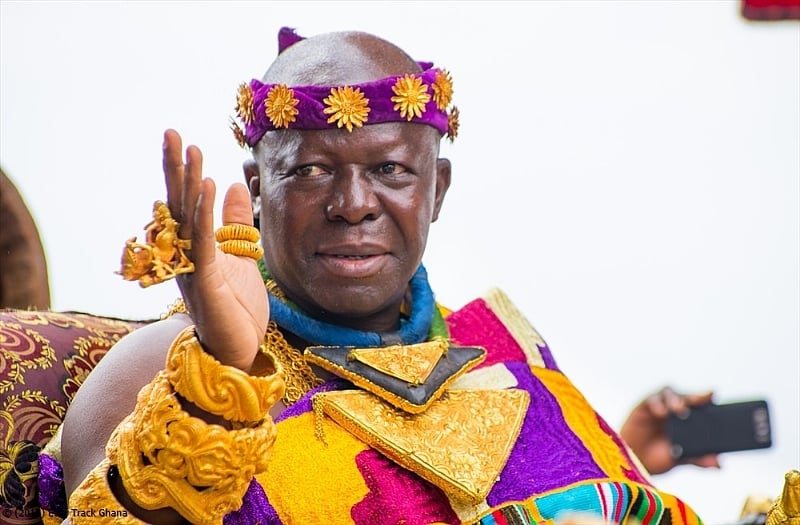
The Asantehene, Otumfuo Osei Tutu II, has outlined six major factors that disqualify an individual from ascending to a chiefly stool in the Asante Kingdom, emphasizing the need to preserve the dignity and integrity of the traditional institution.
Speaking during a meeting of the Asanteman Council at the Manhyia Palace on Thursday, October 16, 2025, the revered monarch said the Council is determined to ensure that only individuals of high moral standing and proper lineage occupy positions of traditional leadership.
According to Otumfuo, the following traits or circumstances automatically disqualify a person from becoming a chief in Asanteman:
- Being a rapist
- Being an ex-convict
- Being a thief
- Being physically challenged
- Being a drunkard
- Not being a royal
“The Asanteman Council’s stance on these disqualifying factors underscores the importance of integrity, morality, and physical ability in traditional leadership. By setting these standards, we aim to uphold the values and traditions of Asanteman and ensure that chiefs are role models for their communities,” Otumfuo Osei Tutu II said.
Upholding Integrity and Morality in Traditional Leadership
The Asantehene explained that the guidelines are not just about disqualification but about preserving the sanctity of the chieftaincy institution. He stressed that the moral and physical fitness of chiefs reflects directly on the image of the Asante Kingdom.
The meeting, attended by paramount chiefs from across Asanteman, reaffirmed the Council’s commitment to maintaining traditional values that have guided the Kingdom for centuries.
Manhyia Palace Meeting Touches on Key Traditional Matters
The Council meeting at the Manhyia Palace also addressed chieftaincy disputes in areas such as Worawora, alongside other internal matters affecting the Kingdom.
Additionally, the gathering was used to announce international invitations extended to the Asantehene, including official visits to Seychelles for a presidential inauguration and Suriname for the country’s 50th Republic anniversary celebrations.
The session concluded with a renewed pledge by the Council to protect the customs, traditions, and moral authority of the Asante Kingdom.
Significance of Otumfuo’s Message
Otumfuo’s directive is being viewed as a strong reminder to the Asanteman community about the importance of character, discipline, and heritage in traditional leadership. Analysts say the move could influence chieftaincy selection processes across the region, setting a higher moral standard for future leaders.
The Asantehene’s message also reinforces his long-standing advocacy for moral renewal and accountability in traditional governance, principles that have earned him respect across Ghana and beyond.