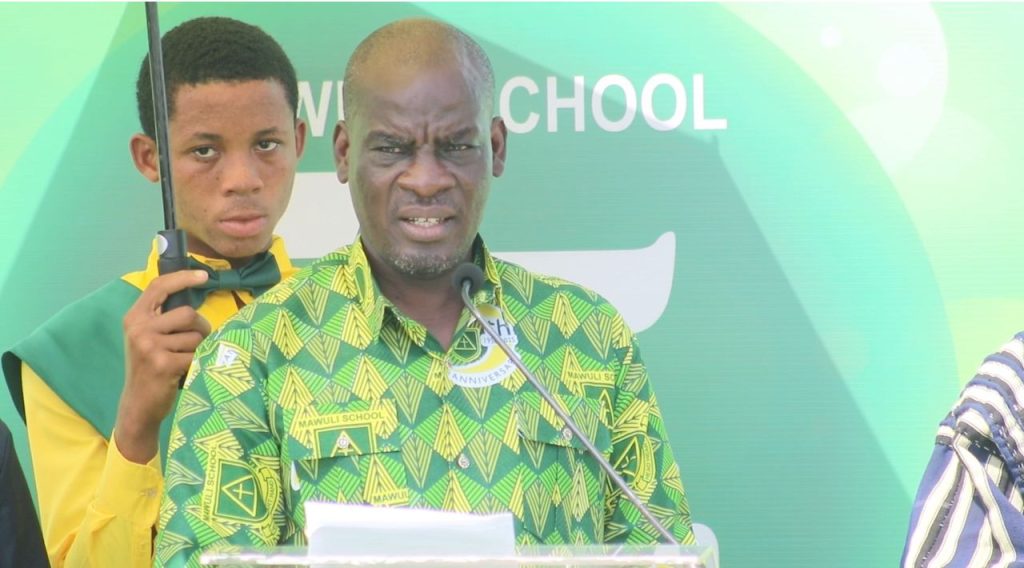
The Minister of Education, Haruna Iddrisu, has directed that the use of local languages as a medium of instruction is now compulsory in all basic schools across Ghana.
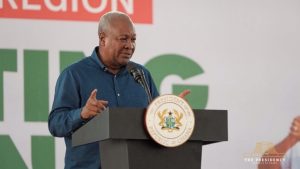
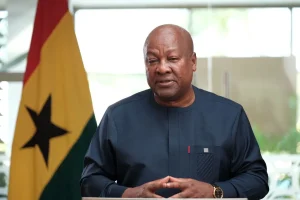
The new directive, issued on Friday at the launch of the Free Tertiary Education for Persons with Disability initiative, forms part of President John Dramani Mahama’s Reset Agenda aimed at improving learning outcomes and inclusivity in the country’s education sector.
According to the Minister, the government believes that teaching young learners in their mother tongue enhances understanding and academic performance at the foundational level.
“A Ghanaian child was not born into an English family but a proud Ashanti Akan family and deserves to learn in their language,” Mr. Iddrisu stated. “From today, teacher use of mother tongue instruction is now compulsory in all Ghanaian schools.”
Mr. Iddrisu recounted a story illustrating the importance of the new policy:
“The story is told of a young girl whose teacher in the Ashanti Region was teaching in English. The child told the teacher, ‘Try to speak a little Twi so that I can understand you.’”
He emphasized that the Ghana Education Service (GES) has been tasked to strictly enforce the directive nationwide, ensuring that all teachers use local languages for instruction in lower primary schools.
Free Tertiary Education for Persons with Disability Launched
The Education Minister also announced the official launch of the Free Tertiary Education for Persons with Disability program, describing it as a major milestone in Ghana’s inclusive education agenda.
Mr. Iddrisu revealed that the initiative, championed by President Mahama, aims to eliminate financial barriers for students with disabilities and promote equal opportunities in higher education.
“President Mahama has demonstrated once again that he is a compassionate leader committed to improving the lives of vulnerable Ghanaians,” the Minister said.
The program, described as a stress-free fees initiative, is expected to cost the state and the Ghana Education Trust Fund (GETFund) approximately GHS31 million. Mr. Iddrisu added that President Mahama has directed GETFund to commit GHS50 million every other year from now until 2028 to sustain the program and related disability interventions.
New Catholic Science University in Damongo
In a major development for tertiary education, Mr. Iddrisu disclosed that during President Mahama’s recent visit to China, his counterpart, President Xi Jinping, gifted Ghana a 200 million Chinese Yuan Renminbi grant (approximately USD 30 million).
President Mahama has directed that the grant be used to establish a Catholic Science University in Damongo, the capital of the Savannah Region. The initiative seeks to expand access to quality higher education, particularly in underserved regions.
“Accordingly, President Mahama is dedicating the 200 million RMB for the start and establishment of a Catholic Science University in Damongo,” the Minister announced.
He further revealed that two new technical universities would also be established in Jasikan (Oti Region) and Techiman (Bono East Region), underscoring the government’s commitment to skills development and technical education.
President Mahama’s Reset Agenda in Focus
Mr. Iddrisu emphasized that these education reforms align with President Mahama’s Reset Agenda, which prioritizes access, quality, and inclusivity across all levels of Ghana’s education system.
He added that the government remains determined to bridge the learning gap, improve teaching outcomes, and ensure that no Ghanaian child is left behind.
Key Highlights:
- Local language instruction now compulsory in all basic schools.
- GES directed to enforce full compliance nationwide.
- Launch of Free Tertiary Education for Persons with Disability under GETFund.
- GHS50 million biennial allocation to sustain the disability education fund.
- New Catholic Science University to be established in Damongo.
- Two new technical universities planned for Jasikan and Techiman.