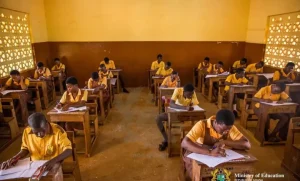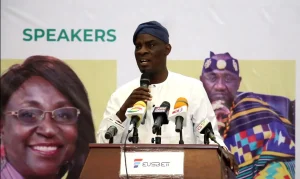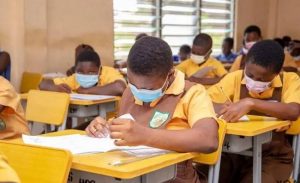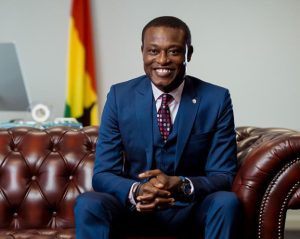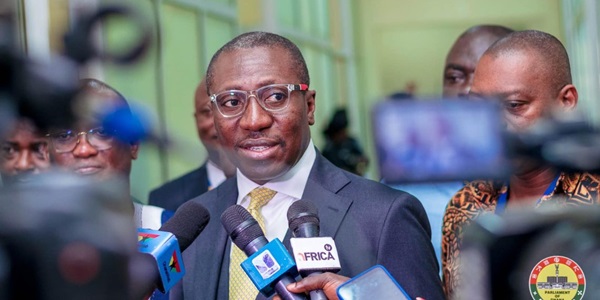
Minority Leader and Member of Parliament for Effutu, Alexander Afenyo-Markin, has called for the teaching of Ghanaian languages in international schools across the country as part of efforts to promote cultural pride and strengthen national identity.
Speaking on JoyNews’ PM Express on October 27, the MP emphasized that such a move would not only help preserve Ghana’s cultural heritage but also enhance the country’s international reputation.
“I think I raised this thing in 2018 in Parliament, but nobody really listened. All the international schools in Ghana — we have diplomats coming in. They want to take something away from Ghana. None of the international schools has as part of its teaching curriculum a Ghanaian language,” Afenyo-Markin said.
Promoting Culture Through Education
The Effutu legislator explained that while international schools maintain independence, they should be encouraged to include at least one Ghanaian language, such as Twi, Ga, Ewe, Hausa, Dagbani, or Efutu — in their curriculum.
According to him, this would allow foreign students, especially children of diplomats and expatriates, to connect with the local culture during their stay in Ghana.
“It would be a source of pride for that child, growing up back home and saying, ‘I lived in Ghana when I was young, and I can speak Twi, Ga, or Ewe,’” he noted.
Afenyo-Markin stressed that teaching Ghanaian languages in international schools would also serve as a powerful tool for promoting Ghana internationally, strengthening its cultural footprint in global education.
“It’s how to sell the country. We should not look at it differently, and I pray that the respected Minister of Tourism will take this up seriously. It’s something that we can do,” he added.
Cultural Identity and Investment Promotion
Linking the idea to investment promotion, the Minority Leader noted that potential investors consider a country’s culture and social environment when deciding where to invest.
“When we say bringing investment to Ghana, it’s not all about just policy documents. People consider culture, hospitality, and the way of life before deciding to invest,” he explained.
He added that Ghana’s strong reputation in the West African sub-region can be further enhanced by showcasing its culture and values to the world.
“Within the sub-region, we’re really advanced. Even visiting delegations from Uganda speak highly of Ghana. Sometimes, they admire us more than we appreciate ourselves,” Afenyo-Markin said.
Cultural Education for Economic Growth
Afenyo-Markin further argued that integrating Ghanaian languages into international education could create new job opportunities and support economic growth.
“If we get the little variables that can sell the country right — like language and culture — we can create jobs and opportunities for our people,” he said.
His remarks come at a time when Education Minister Haruna Iddrisu has directed the Ghana Education Service (GES) to enforce the use of mother-tongue instruction in all Ghanaian schools. The directive is part of the government’s educational reforms aimed at strengthening local language education and preserving Ghana’s cultural identity.
Strengthening Ghana’s Global Image
Analysts say Afenyo-Markin’s proposal aligns with broader efforts to blend global education with local values, ensuring that Ghana’s cultural identity remains visible in international learning spaces.
The initiative, if implemented, could also make Ghana’s international schools unique cultural hubs, offering both world-class education and authentic Ghanaian experiences.