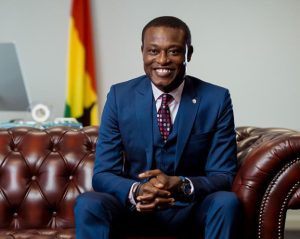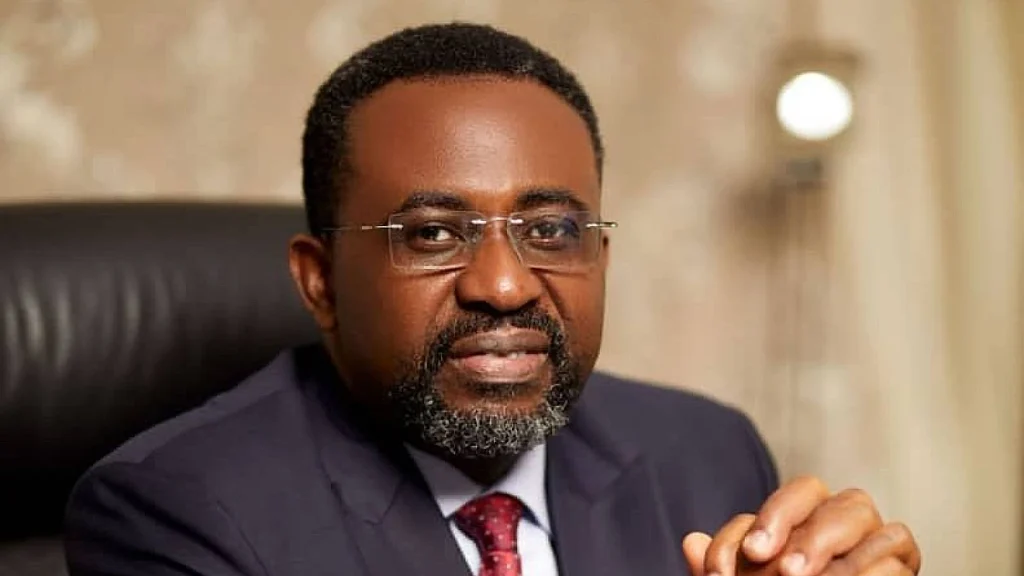
Dr. Johnson Asiama, Governor of the Bank of Ghana (BoG), has reassured the public that the central bank does not anticipate a shortage of U.S. dollars for commercial banks.
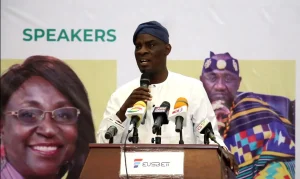
Speaking at the 125th Monetary Policy Committee (MPC) press conference in Accra on Wednesday, July 30, Dr. Asiama emphasized the BoG’s consistent support for the market and addressed concerns regarding dollar availability for importers and the ongoing status of collapsed banks.
BoG Actively Supports Forex Market to Prevent Dollar Shortages
Responding to questions about importers facing difficulties in obtaining dollars, Dr. Asiama clarified that the Bank of Ghana regularly injects foreign exchange into the market. “We are supporting the market regularly, almost every day,” he stated. He explained that certain foreign exchange inflows, particularly from the mining sector, now accrue directly to the BoG, enabling the central bank to provide direct support to commercial banks.
“It is just natural that we intend to support the market. So we do not expect a shortage of dollars at the banks,” Dr. Asiama affirmed. He acknowledged that while there have been reports of dollar shortages from importers, investigations often revealed issues with incomplete documentation rather than a lack of foreign currency in the system.
Monitoring Remittances and Nostro Accounts for Exchange Rate Stability
Dr. Asiama further highlighted the BoG’s proactive measures to ensure a stable supply of foreign exchange. He noted a recent reduction in remittance inflows since April, which the central bank is thoroughly investigating. “Only yesterday, we released a notice to banks, PRSPs, MTOs and the like. We want to monitor these flows so that they accrue to the system,” he said, indicating increased vigilance in tracking and integrating remittance data.
In a move to enhance transparency and prevent illicit offshore activities, the BoG will also begin closely monitoring the Nostro balances of commercial banks. Nostro accounts are foreign currency accounts held by local banks in other countries, used for international trade transactions.
Dr. Asiama stressed the importance of these measures: “We will be monitoring transactions in the Nostro balances of banks, all in an attempt to make sure that we don’t have an offshore rig going on and that all; Ghana’s foreign exchange earned from abroad is made available to the system to fund our import and economic activities, that should help to stabilise the exchange rate going forward.” This initiative aims to ensure all foreign exchange earnings contribute to the domestic economy and support exchange rate stability.
No Pressure to Restore Licenses of Collapsed Banks
The Governor also addressed concerns about restoring the licenses of banks that collapsed during the 2018 banking sector cleanup. Dr. Asiama firmly stated that he is not under pressure to unilaterally reinstate these licenses. “Not at all,” he responded when asked about external pressure.
He explained that the resolution framework for these cases is ongoing, with some matters still in court and others undergoing settlement. “The process is on, and we will follow on on the process in that regard,” he said. Dr. Asiama clarified that any decision regarding the restoration of licenses would depend on legal outcomes, such as a court instruction, which would then be reviewed by the Bank of Ghana board.
This question arose in light of a campaign promise made by former President John Dramani Mahama ahead of the 2024 general elections. During his acceptance speech as flagbearer of the National Democratic Congress (NDC) in May 2024, Mr. Mahama pledged to “restore indigenous Ghanaian investments in the finance and banking sector” and, “as far as practicable, the banking licenses that were unjustly canceled by this government will be restored.”
Background of the Banking Sector Cleanup
The banking sector cleanup, initiated in 2018, saw the Bank of Ghana revise the minimum paid-up capital for banks from GHS120 million to GHS400 million. This regulatory measure aimed to assess the viability of financial institutions. Banks unable to meet the new capital requirement were either merged or had their licenses revoked.
The exercise led to the collapse of several financial institutions, including nine local banks (UniBank, The Sovereign Bank, The Beige Bank, Premium Bank, The Royal Bank, Heritage Bank, Construction Bank, UT Bank, Capital Bank), 23 savings & loans companies, 347 microfinance institutions, 39 finance houses, and 53 fund management companies. The cleanup drew criticism from some analysts who argued that certain banks could have been salvaged to preserve jobs and local ownership in the financial sector.
The Bank of Ghana remains committed to maintaining a robust and stable financial system, with ongoing efforts to manage foreign exchange flows and uphold regulatory standards.