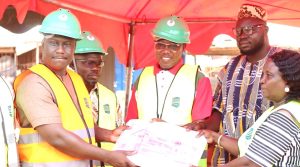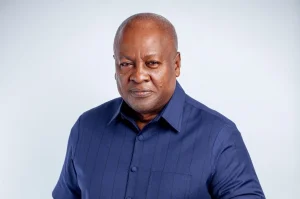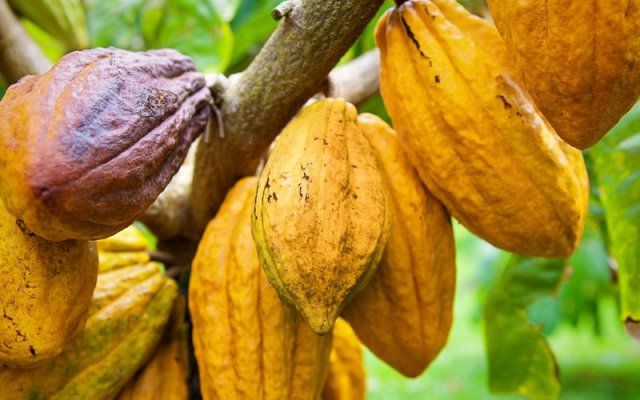
The Chairman of the Ghana Cocoa Board (COCOBOD), Samuel Ofosu Ampofo, has announced an ambitious new target of 650,000 metric tonnes of cocoa production as part of a national effort to revive Ghana’s struggling cocoa sector. He made this known during a working visit to the Western North Region on Wednesday, November 19, 2025, where he met with traditional leaders and key industry stakeholders.
Speaking during an engagement with the Sefwi Wiawso Traditional Council, Mr. Ofosu Ampofo lamented the significant decline in Ghana’s cocoa production, revealing that the country currently produces just 450,000 metric tonnes, a sharp drop from previous years.
Revamping the Cocoa Sector Over the Next Four Years
The COCOBOD Chairman explained that the new 650,000-metric-tonne target is part of a broader strategy to steadily increase cocoa output annually. He expressed confidence that with coordinated efforts from farmers, traditional authorities, and government agencies, Ghana can regain its strong global standing within four years.
“This target is achievable if we all work together. With the support of Nananom and all stakeholders, Ghana can return to high production levels and strengthen its position on the world cocoa market,” he stated.
COCOBOD Appeals for Farmland and Support to Fight Smuggling
Ofosu Ampofo identified cocoa smuggling to Togo and Côte d’Ivoire as one of the major drivers of Ghana’s production decline. He called on traditional leaders to support efforts to curb the practice and ensure farmers channel their produce through official Ghanaian markets.
He further appealed to chiefs to make additional farmlands available to cocoa farmers to support the expansion of plantations and boost national yield.
Traditional Leaders Pledge Support — Call for Youth Involvement and Reforms
Nana Ofori Ahenkan II, Acting President of the Sefwi Wiawso Traditional Council, commended COCOBOD’s renewed commitment and pledged the full support of traditional leaders.
“We are ready to release farmlands for large-scale cocoa cultivation,” he affirmed.
He urged government and private investors to develop initiatives that make cocoa farming attractive to the youth, emphasizing that increased youth participation is crucial for sustainability and job creation.
Call for Reforms in COCOBOD Scholarship Scheme
Nana Ofori Ahenkan II also raised concerns about the COCOBOD Scholarship Scheme, noting that many children of cocoa farmers are being sidelined while more privileged groups benefit.
He appealed to the new leadership of COCOBOD to ensure that the scholarship returns to its original purpose, supporting the educational needs of cocoa farmers’ children.