The current state of the Fumbisi abattoir has raised serious public health concerns, as deteriorating infrastructure and poor sanitation threaten the safety of meat processed at the facility.
A recent visit by Voice of Buluk to the abattoir revealed conditions that require urgent attention from the Bulsa South District Assembly and other relevant authorities. The facility, originally constructed to ensure a safe and hygienic environment for meat processing, is now falling far short of that mandate.
Abandoned Structure and Failing Infrastructure
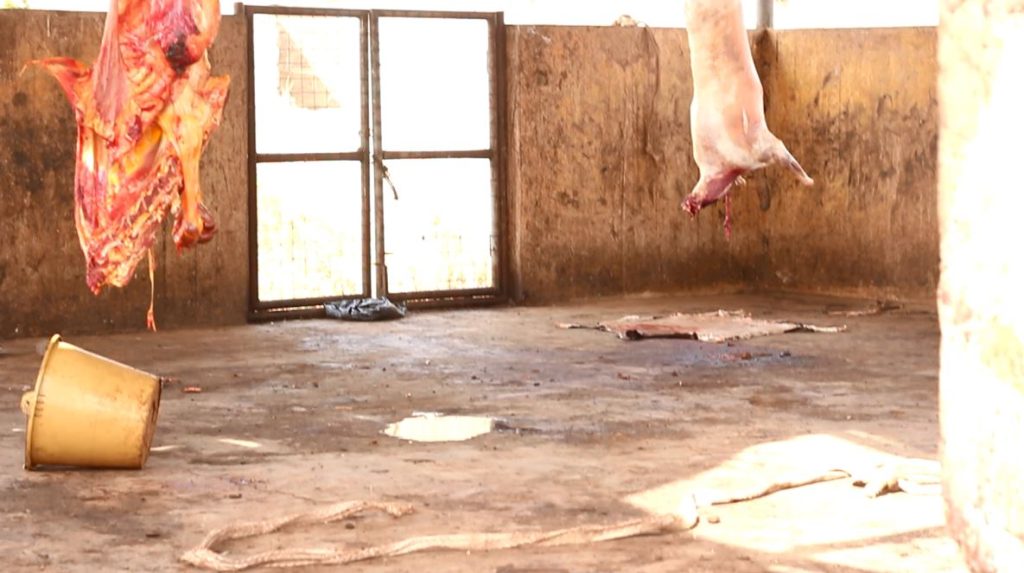
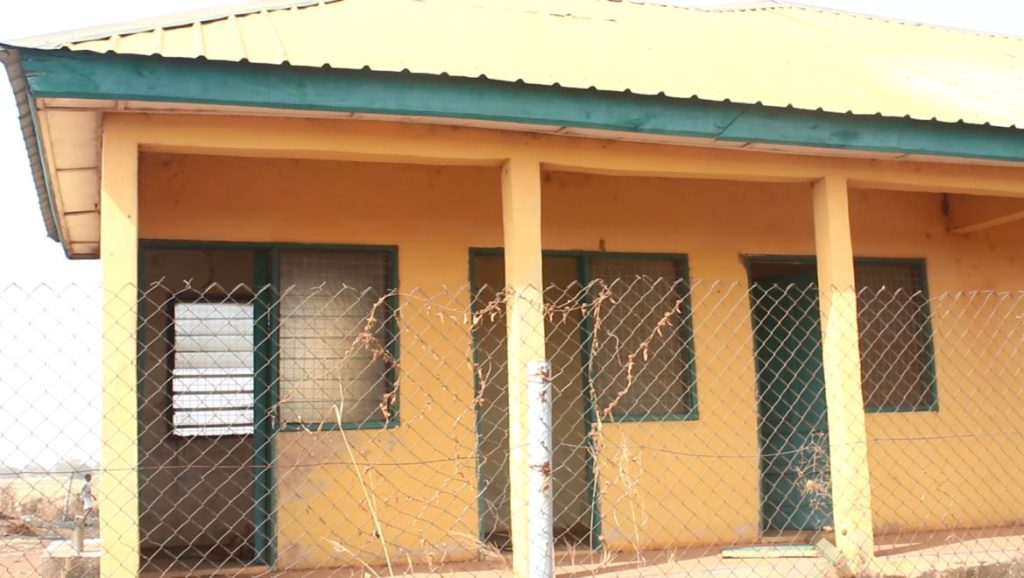
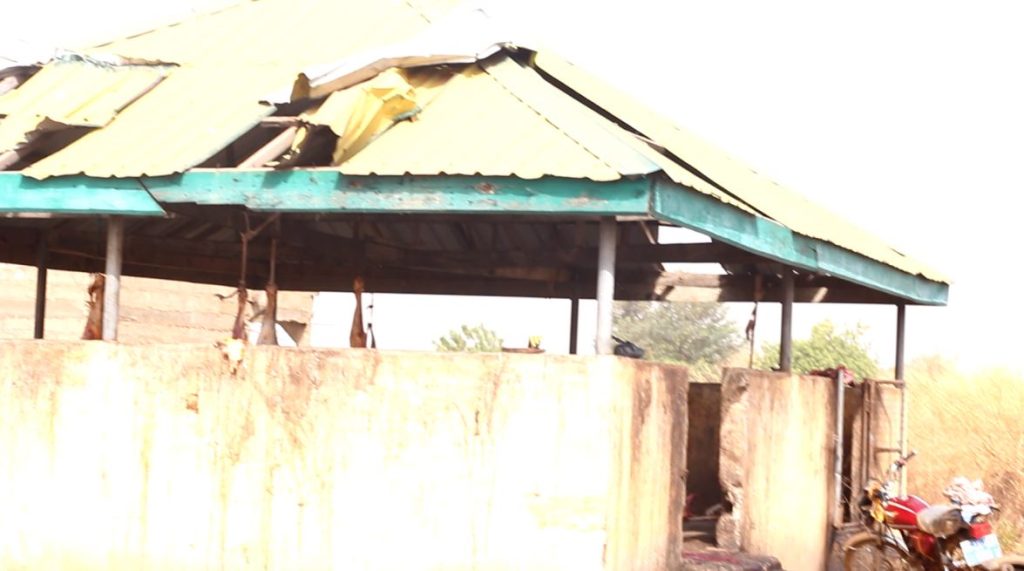
The abattoir is in dire need of immediate renovation. The structure appears abandoned, with visibly deteriorated walls, broken doors, and offices left unused. Portions of the roofing have been blown away by heavy winds, leaving sections of the facility exposed to the elements.
These conditions not only compromise the structural integrity of the abattoir but also create an unsafe environment for workers and consumers alike.
Sanitation Breakdown and Lack of Cleaning
Interviews with workers at the facility revealed that, in its early days, a cleaner was assigned to maintain the abattoir on a daily basis. However, this routine has long been abandoned.
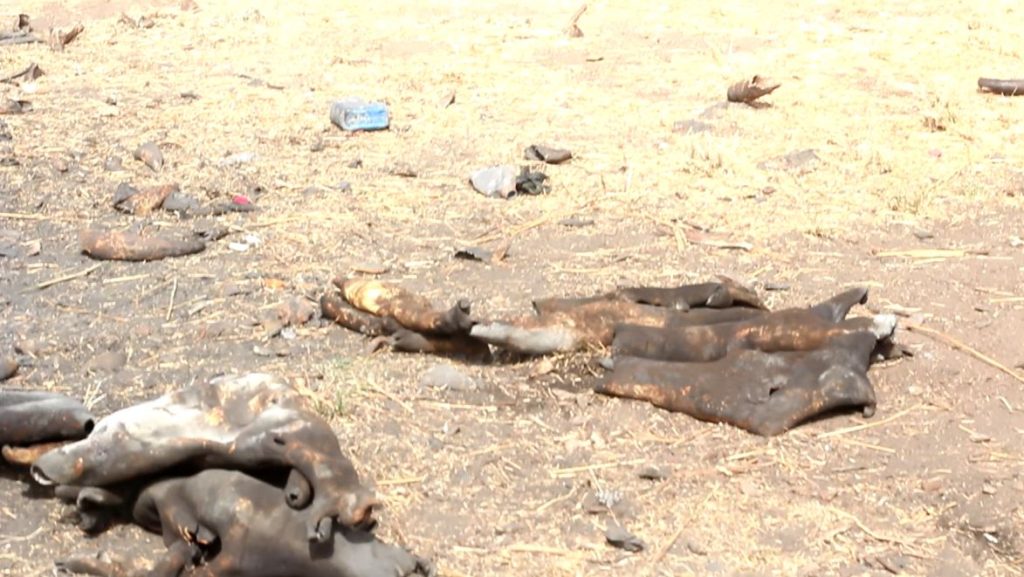
According to the workers, the cleaner has not reported to duty for months, if not years, resulting in the accumulation of filth and dirt across the premises. The unsanitary conditions now dominate the facility, significantly increasing the risk of contamination during meat processing.
Improvised Workspaces and Overcrowding
Another disturbing revelation is the repurposing of essential spaces within the abattoir. A room originally designated as a resting area for workers has been converted into a butcher room due to the limited size of the original slaughtering space.
This makeshift arrangement further compromises hygiene standards and exposes both workers and meat products to avoidable health risks.
Poor Waste Disposal Practices
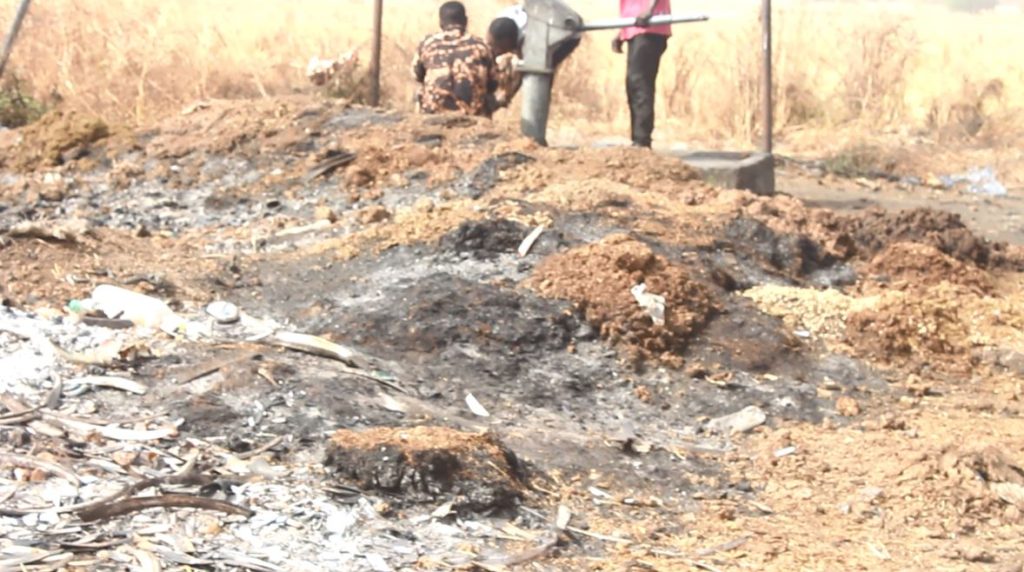
Waste management remains one of the most critical challenges at the abattoir. There is no designated waste disposal area, forcing workers to heap animal waste at the entrance of the facility.
Such practices pose environmental hazards, attract pests, and increase the likelihood of disease transmission, especially in a community where meat from the abattoir is widely consumed.
Authorities Aware, Yet No Action Taken
Workers confirmed that the challenges have been reported to the appropriate authorities on several occasions. They disclosed that a veterinary officer visits the abattoir daily to inspect animals and ensure the meat is fit for human consumption.
Additionally, revenue collectors reportedly visit the facility regularly to collect taxes on processed meat. Despite these interactions, workers say no tangible steps have been taken by the assembly to improve conditions at the abattoir.
Call for Urgent Intervention
Through Voice of Buluk, the workers are appealing to the Bulsa South District Assembly, environmental health officers, and other relevant stakeholders to intervene immediately.
They warn that failure to act could result in serious future health challenges, including foodborne diseases that could affect the wider Fumbisi community and beyond.
Ensuring safe meat processing is not only a public health obligation but also a critical component of food safety and consumer protection. The current state of the Fumbisi abattoir underscores the urgent need for investment, maintenance, and accountability to safeguard public health.