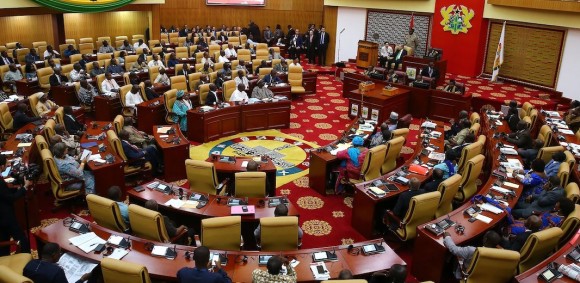
Ghana’s Parliament has approved the Public Tribunal Bill, 2026, paving the way for the establishment of a new legal framework governing public tribunals despite a dramatic boycott by the Minority Caucus during the final stages of debate. The legislation, which has generated intense national debate, seeks to improve access to justice, reduce the growing backlog of court cases, and create a structured system for the operation of tribunals in accordance with the 1992 Constitution.
The Bill was passed following a lengthy parliamentary sitting marked by heated exchanges over its constitutional implications. Although the Minority challenged several provisions of the legislation, particularly Clause 4, the Majority successfully secured its passage after a decisive headcount vote. The Minority subsequently walked out of the chamber, refusing to participate in the remaining stages of the legislative process.
Bill Seeks to Strengthen Ghana’s Justice System
The Public Tribunal Bill establishes the legal basis for the creation, jurisdiction, composition and operation of tribunals in Ghana. It also creates a Tribunal Oversight Committee to supervise the administration and functioning of the tribunal system.
According to the government, the legislation is designed to strengthen access to justice, safeguard the constitutional rights of citizens, promote due process, and improve the efficient resolution of cases requiring specialized or expedited adjudication.
The Bill was introduced in Parliament on June 26, 2026, by the Minister for Lands and Natural Resources, Emmanuel Armah-Kofi Buah, acting on behalf of the Attorney-General and Minister for Justice, Dr. Dominic Ayine, before being referred to the Constitutional and Legal Affairs Committee for consideration.
Government Cites Growing Court Backlog
Explaining the rationale behind the legislation, Attorney-General Dr. Dominic Ayine argued that Ghana’s conventional courts continue to experience increasing pressure due to rising case volumes.
He indicated that the courts accumulate approximately 3,360 additional backlog cases annually, resulting in prolonged delays in the delivery of justice. According to the Attorney-General, the tribunal system is intended to complement the existing judiciary by ensuring faster determination of selected matters while remaining consistent with constitutional provisions governing regional tribunals.
The government further maintains that although the Constitution recognizes Regional Tribunals as part of Ghana’s judicial structure, they have largely become inactive over the years, creating a legal and operational gap that the new legislation seeks to address.
Minority Rejects Bill, Walks Out of Parliament
The passage of the Bill was strongly opposed by the Minority Caucus, led by Alexander Afenyo-Markin, who argued that the legislation risks creating a parallel judicial system that could undermine the existing court hierarchy.
The Minority sought the removal of Clause 4, insisting that strengthening existing courts through better funding, staffing and logistics would be more beneficial than introducing a new tribunal structure. However, the Majority, led by Mahama Ayariga, rejected the proposal and insisted that Parliament proceed with consideration of the Bill.
Following a voice vote that was challenged by the Minority Leader, Parliament conducted a headcount, with 135 Members voting against deleting Clause 4 and 16 supporting its removal. After the result was announced, the Minority boycotted the remainder of the proceedings, arguing that the legislation could compromise established judicial safeguards and public confidence in the justice system.
TUC Raises Concerns Over Return of Tribunals
Outside Parliament, the Trades Union Congress (TUC) also expressed opposition to the Bill, urging government to suspend the legislative process.
The labour union argued that Ghana’s historical experience with public tribunals raises concerns about fairness and public confidence, maintaining that reforms should instead focus on strengthening existing judicial institutions rather than reintroducing tribunal structures.
What Happens Next?
With parliamentary approval secured, the Public Tribunal Bill now advances to the next stage of the legislative process before becoming law.
If implemented, the legislation is expected to reshape aspects of Ghana’s justice delivery system by providing an alternative framework for handling specific categories of cases, while supporters believe it will help reduce case backlogs and improve timely access to justice. Critics, however, continue to question whether the new tribunal system could duplicate existing judicial functions and create constitutional challenges in the future.