The National Council of Parent-Teacher Associations (NCPTAs) has thrown its full support behind the Minister of Education’s directive to the Ghana Education Service (GES) to strictly enforce the student code of conduct, particularly regarding improper dressing in pre-tertiary schools across the country.
In a press statement dated October 27, the Council described the directive as “timely and necessary” for promoting discipline, respect, and a conducive learning environment within Ghana’s educational institutions.
“As representatives of parents and guardians across Ghana, we believe this measure is vital for fostering an environment conducive to learning, discipline, and respect for the educational process,”
— Raphael Kofi Gapson, General Secretary of the NCPTAs.
Mr. Gapson highlighted that the 1992 Constitution of Ghana, under Articles 25 and 38, emphasizes the importance of education and the state’s duty to provide an environment that upholds dignity, discipline, and academic focus.
Minister’s Call for Discipline
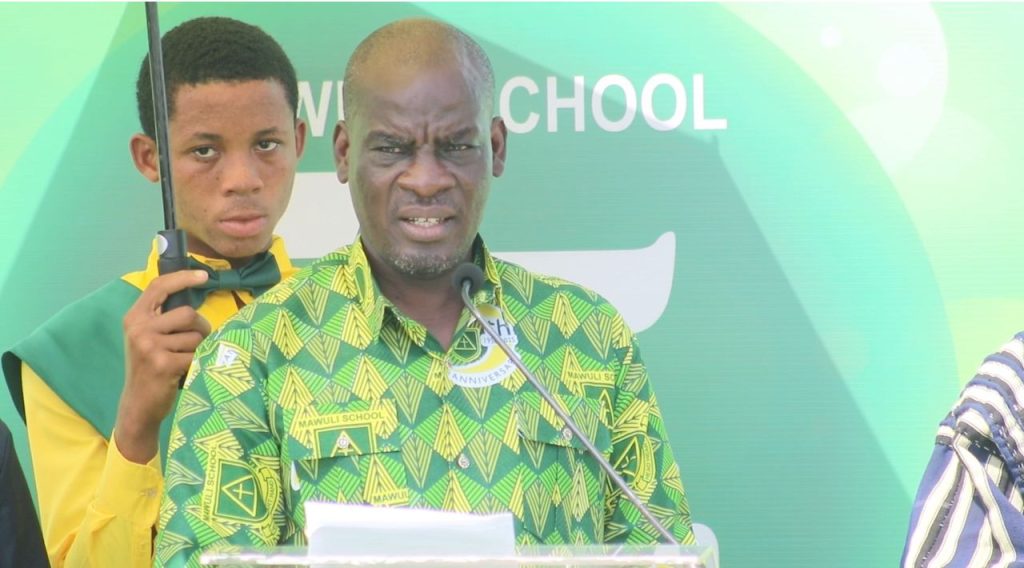
The Minister of Education, during the 75th Anniversary celebration of Mawuli Senior High School in Ho on Saturday, October 25, directed the GES and school heads to take firm control of student behavior and discipline on school campuses.
Addressing the ongoing public debate about hairstyles in schools, the Minister stated:
“There is an ongoing debate in social media about haircuts-size and length of hair in secondary schools; we will not tolerate it today, we will not tolerate it tomorrow so long as we are moulding character.”
The Minister’s comments follow increasing discussions on whether female students should be allowed to keep long hair, a matter that has stirred widespread opinions on social media and among education stakeholders.
NCPTAs’ Stand on Proper Dressing
According to Mr. Gapson, parents entrust schools not only with their children’s academic growth but also with their character development, a process that includes proper dressing and personal grooming.
He emphasized that students must always wear prescribed school uniforms and footwear, maintain neat and modest haircuts, and avoid extreme hairstyles or colours.
“Proper dressing contributes to a focused and respectful atmosphere conducive to effective teaching, learning, and character formation,” he noted.
“On the other hand, improper dressing fosters indiscipline, undermining decency and order in all spheres of life.”
Why the Directive Matters
The NCPTAs outlined four key reasons for backing the directive:
- Promoting Discipline: Dress codes are a vital part of cultivating discipline essential for academic success and personal growth.
- Reducing Distractions: Appropriate attire minimizes distractions, ensuring a focused learning environment.
- Equality and Inclusivity: Uniform dress codes promote unity and reduce visible socioeconomic disparities.
- Preparation for Societal Norms: Schools prepare students for professional and societal expectations regarding dress and conduct.
Upholding Ghana’s Educational Standards
The NCPTAs reaffirmed its commitment to working closely with the Ministry of Education and the GES to ensure that Ghana’s schools remain centres of discipline, moral development, and academic excellence.
“We must preserve the values that make our educational system strong — discipline, respect, and responsibility,” Mr. Gapson concluded.
Read the press release below: