A government warehouse in Sandema, originally built to serve farmers and traders in the Builsa North Municipality, has fallen into severe disrepair, raising concerns among residents and agricultural stakeholders.
On a recent visit, reporters from Voice of Buluk found that the facility—meant for storing staples such as maize, rice, beans and other cereals—has been left exposed to the elements and neglect.
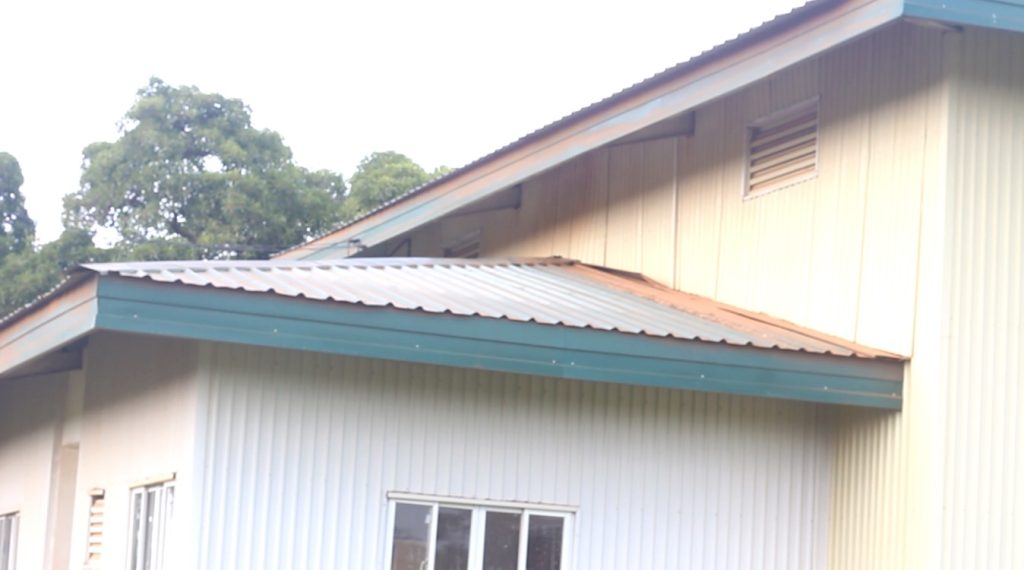
The compound is overrun with weeds, roof panels have been torn away by strong winds, the main doors are broken, and fittings have been stripped. Machinery once housed inside is now rusting away, unguarded and vulnerable.
Key Findings
- Roof damage throughout the warehouse; large sections missing or destroyed.
- Broken doors, unsecured entrances, and evidence of forced entry.
- Removal of fittings and parts, likely due to theft.
- Equipment and machines left unattended, exposed to harsh weather.
- Overgrown grounds as though the warehouse has never been used or maintained properly.
Impact on Agriculture & Local Economy
The warehouse was meant to be a critical asset for food security in the region by allowing safe storage of produce after harvest, preventing post‐harvest losses, and stabilizing farmers’ incomes. Its current derelict condition undermines those goals, farmers may be forced to sell produce immediately after harvest at low prices, or risk spoilage. Traders who rely on bulk storage are likewise affected.
What Needs to Be Done
Residents and Voice of Buluk are calling on:
- Local and Municipal Authorities – To assess and secure the site immediately to prevent further vandalism and theft.
- National Government / Ministry of Agriculture – To allocate funds for repairs: re-roofing, security doors, gates, and restoration of storage machinery.
- Civil Society & Media – To maintain pressure, ensure transparency of any rehabilitation efforts, and monitor maintenance.
Why This Matters
With Ghana’s agricultural sector contributing significantly to both food security and employment, especially in rural areas, functional storage infrastructure is essential.
Abandoning such projects wastes resources and hampers efforts to reduce food waste and improve farmers’ livelihoods.