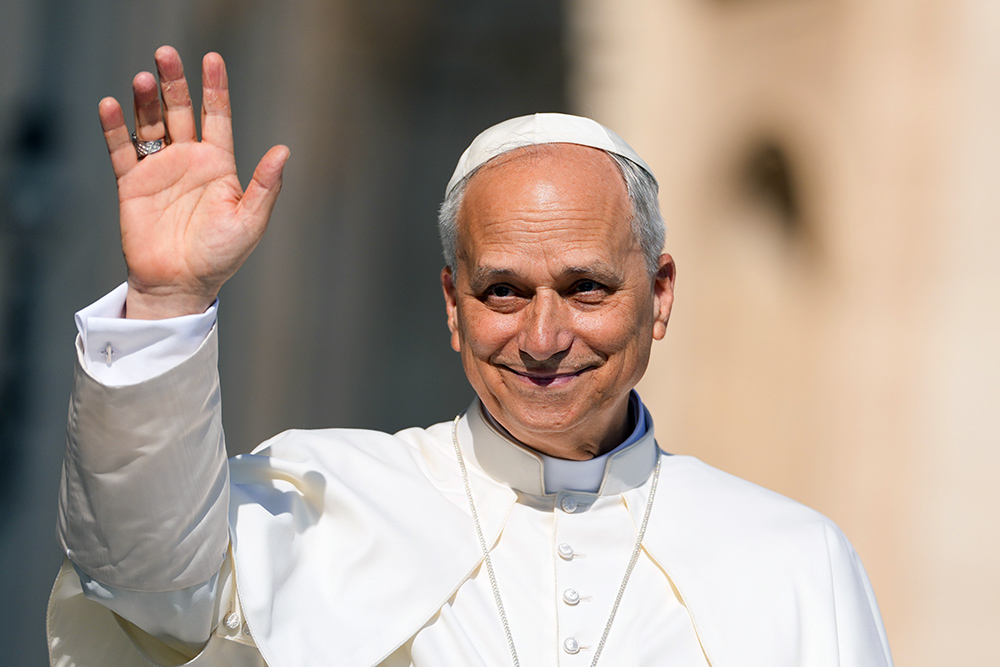
The Government of Ghana has described Pope Leo XIV’s historic apology for the Catholic Church’s role in the transatlantic slave trade as a major turning point in the growing global campaign for reparatory justice and historical accountability.
The apology, issued in Pope Leo XIV’s first papal encyclical titled Magnifica Humanitas, acknowledged the Church’s historical involvement in legitimising slavery and expressed remorse for centuries of delayed condemnation of the practice. The Pope described slavery as “a wound in Christian memory” and asked for forgiveness on behalf of the Church.
Reacting to the development, Ghana’s government said the statement represents an “act of moral courage” and an important contribution to international conversations surrounding justice, reconciliation, and the long-standing calls for reparations for descendants of enslaved Africans.
According to Ghana’s Ministry of Foreign Affairs, the Pope’s remarks arrive at a critical moment when the international community is increasingly confronting the enduring consequences of slavery, colonialism, racial injustice, and economic inequality linked to the transatlantic slave trade.
Government officials believe the apology could strengthen momentum for global reparatory justice efforts, especially following the recent adoption of United Nations General Assembly Resolution A/RES/80/250, which recognised the trafficking and enslavement of Africans as among the gravest crimes against humanity. Ghana reportedly played a leading role in pushing for the resolution at the UN.
The statement from Ghana further noted that the historical role of the Church and controversial Papal Bulls that legitimised colonial expansion and enslavement were key issues raised during negotiations leading to the UN resolution. Officials described Pope Leo XIV’s apology as “particularly significant and refreshing” because it openly confronts difficult historical truths.
Pope Leo XIV’s apology marks the clearest admission yet by a sitting pontiff regarding the Vatican’s institutional role in slavery. While previous popes condemned aspects of slavery and colonial abuses, analysts say this is the first apology that directly acknowledges the Church’s formal role in legitimising enslavement.
The development has reignited discussions across Africa, the Caribbean, and the African diaspora about reparations, historical compensation, and restorative justice. Ghana has increasingly positioned itself as one of the leading voices in the reparations movement through diplomatic initiatives, diaspora engagement programmes, and international conferences focused on historical justice.
As part of its continued advocacy, Ghana is expected to host major international discussions on reparatory justice, bringing together political leaders, scholars, faith groups, civil society organisations, and members of the African diaspora to explore pathways toward acknowledgment, healing, and compensation for historical injustices.
Observers say the Pope’s apology may place renewed pressure on former colonial powers, religious institutions, and international organisations to engage more openly with demands for reparations and accountability over the transatlantic slave trade.
For many descendants of enslaved Africans, the apology is being viewed as a symbolic but significant step toward truth-telling and global recognition of one of humanity’s darkest historical atrocities.