Livestock farmers across Ghana’s Upper East Region are facing an escalating crisis as disappearing grasslands leave cattle, sheep, and goats struggling to find adequate feed. The worsening situation, largely attributed to climate change and environmental degradation, is threatening both rural livelihoods and agricultural productivity in one of Ghana’s key farming regions.
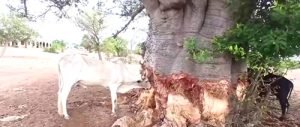
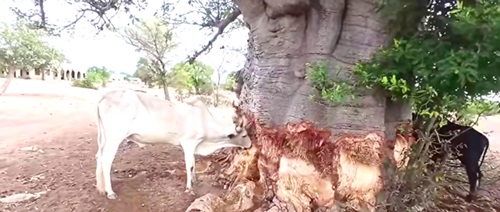
In many communities throughout the region, vast stretches of land that once provided abundant grazing grounds have become barren. Farmers report that animals are increasingly forced to feed on tree bark and other vegetation not traditionally used as fodder, a clear indication of the severity of the feed shortage.
Livestock Losing Weight as Pasture Disappears
The shortage of pasture is taking a visible toll on livestock health. Farmers say many animals have become weak due to inadequate nutrition, reducing their productivity and increasing the risk of disease and mortality.
Some livestock owners have reported losing cattle this year, blaming the situation on the lack of grass and the unusually harsh environmental conditions affecting grazing lands. The crisis is particularly concerning for mixed farmers who depend on cattle and bulls for ploughing their farmlands during the planting season.
According to farmers, weakened animals are no longer able to provide the labour needed for land preparation, forcing many households to rely on tractor services that are often expensive or unavailable in remote communities.
Climate Change Intensifying the Problem
Agricultural experts attribute much of the crisis to changing weather patterns associated with climate change. Rising temperatures, delayed rainfall, prolonged dry spells, and shorter rainy seasons have significantly reduced the growth of grasses and natural forage crops that livestock depend on for survival.
Environmental degradation has compounded the challenge. Experts point to illegal mining activities, which continue to destroy fertile lands and vegetation, reducing the amount of land available for grazing and agriculture. Bushfires, another persistent problem in northern Ghana, have also devastated large expanses of grassland that would otherwise serve as critical feed reserves during the dry season.
Food Security and Rural Economies Under Threat
The livestock crisis extends beyond animal welfare. Livestock production plays a critical role in household incomes, food security, and agricultural operations throughout the Upper East Region. Reduced livestock productivity could have significant economic consequences for farming communities already facing the effects of climate variability.
Experts warn that if current trends continue, the region could experience further declines in agricultural output, increased poverty levels, and heightened vulnerability to climate-related shocks.
Calls for Urgent Intervention
Agricultural stakeholders are calling for immediate action to prevent the situation from worsening. Among the proposals being advanced are the establishment of community fodder banks, the promotion of drought-resistant forage crops, and improved pasture management systems. Farmers are also being encouraged to adopt feed storage practices to ensure livestock have access to adequate nutrition during dry periods.
In addition, environmental advocates are urging authorities to strengthen enforcement against illegal mining and bush burning, while investing in land restoration and climate adaptation programmes. Such measures, they argue, are essential to preserving grazing lands and safeguarding the future of livestock production in northern Ghana.
A Warning Sign for Ghana’s Agricultural Future
The disappearance of grasslands in the Upper East Region highlights the growing impact of climate change on Ghana’s agricultural sector. As environmental pressures intensify, experts say sustainable land management, climate-resilient farming practices, and stronger environmental protection policies will be critical to ensuring food security and protecting rural livelihoods.
For many livestock farmers, however, the challenge is immediate: finding enough feed to keep their animals alive until the rains return.