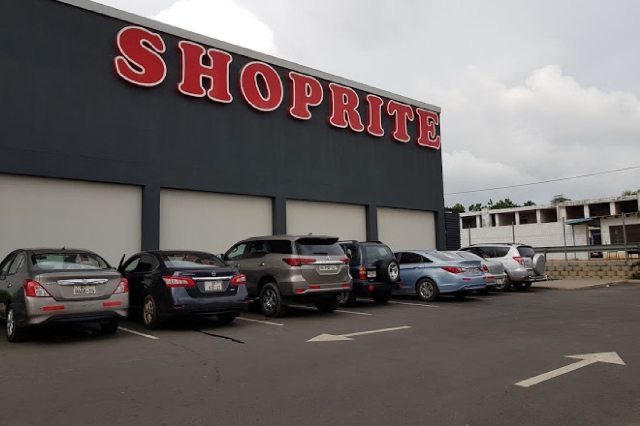
In a major strategic move, Shoprite Holdings, South Africa’s largest grocery retailer, is selling its operations in both Ghana and Malawi.
This decision marks another step in the company’s broader plan to consolidate its African business and intensify its focus on its home market.
Shoprite once led the charge in African retail, expanding into 15 countries and outperforming competitors like Pick n Pay and Walmart-owned Massmart. However, its ambitious ventures were often met with significant challenges, including currency volatility, high inflation, steep import duties, and expensive dollar-based rentals in markets like Angola and Nigeria.
Details of the Sales
The company confirmed on Tuesday that it signed an agreement on June 6 to sell its five stores in Malawi. This deal is pending approval from the Competition and Fair Trading Commission and the Reserve Bank of Malawi.
In Ghana, Shoprite has received a binding offer for its seven retail stores and one warehouse. The sale is considered highly probable, signaling a likely exit from the Ghanaian market. Following this announcement, the company’s shares were down 2.60% by 0753 GMT.
These planned exits from Ghana and Malawi follow a series of similar departures from other African markets, including Nigeria, Kenya, the Democratic Republic of Congo, Uganda, and Madagascar. The retailer has also been restricting capital allocation to its supermarkets outside of South Africa.
Positive Financial Outlook
Despite the pullbacks from other African markets, Shoprite’s financial outlook remains strong. The company expects headline earnings per share from its continuing operations to increase by 9.4% to 19.4% for the 52 weeks ending June 29.
This is a significant jump from the restated 11.85 rand in 2024. Furthermore, the company anticipates group sales from continuing operations to grow by 8.9% to 252.7 billion rand ($14 billion).
This strategic consolidation reflects a trend among large African retailers to prioritize stable, high-growth markets while exiting those with persistent operational and economic challenges.