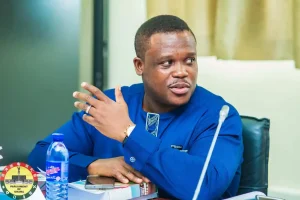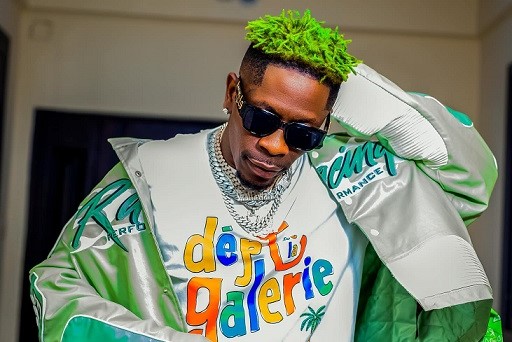
Private legal practitioner Austin Kwabena Brako-Powers has stated that dancehall artiste Shatta Wale cannot be compelled by the Economic and Organised Crime Office (EOCO) to disclose the identity of the individual from whom he purchased his controversial Lamborghini Urus.
Speaking in an interview with Alfred Ocansey on 3FM on Thursday, August 21, 2025, Mr. Brako-Powers explained that the musician, born Charles Nii Armah Mensah, has the constitutional right to remain silent during interrogation and cannot be forced to provide information that may incriminate him.
“Shatta Wale has the right not to incriminate himself, and this privilege can be invoked in both civil and criminal proceedings,” he emphasized.
EOCO’s Probe into Lamborghini Linked to Financial Crime
Shatta Wale was recently detained by EOCO in connection with the 2019 Lamborghini Urus, reportedly purchased for $150,000. Authorities suspect the luxury vehicle is linked to a $4 million financial crime involving Nana Kwabena Amuah, a Ghanaian national currently serving a custodial sentence in the United States.
EOCO believes proceeds from that crime may have been used to fund the car’s acquisition.
Following his arrest, Shatta Wale was initially granted bail of GH₵10 million with two sureties, later reduced to GH₵5 million after legal representations. His prolonged detention, however, sparked protests from his supporters, who argued that the musician was held beyond the constitutionally mandated 48-hour period.
Lawyer Condemns Unconstitutional Detention
Commenting on the matter, Mr. Brako-Powers described the extended detention as a violation of Ghana’s Constitution.
“The law is clear that 48 hours is 48 hours and not a minute or second beyond. This attitude of law enforcement agencies does not ensure certainty of the law’s application,” he cautioned.
He urged defense lawyers to take legal action against security agencies that breach this safeguard and called on the government to ensure that anti-graft and security institutions respect fundamental human rights.
Due Process and Public Confidence in Justice System
Mr. Brako-Powers stressed that due process must remain central in the fight against crime, noting that protecting constitutional rights is equally essential to maintaining public confidence in Ghana’s justice system.