Health experts in Ghana have raised alarm over the increasing number of breast cancer-related deaths, attributing the trend to late diagnosis, fear of surgery, and social stigmatization.
Despite over a decade of nationwide breast cancer awareness campaigns, many Ghanaian women continue to seek medical help only when the disease has reached advanced stages, drastically lowering their survival rates.
The Vice President of the Breast Society of Ghana, Dr. Naa Adorkor Aryeetey, expressed frustration that fear and misinformation continue to undermine the progress of awareness campaigns.
“Many women notice changes in their breasts but choose to remain silent because they fear being operated on or stigmatized,” she said.
“This fear has made it almost impossible to achieve a significant reduction in breast cancer-related deaths in Ghana.”
Late Reporting, High Fatalities
Dr. Aryeetey explained that in most cases, patients report to hospitals when the disease has already progressed to Stage III or IV, making treatment more complex, expensive, and less effective.
“The aim of Breast Cancer Awareness Month is to encourage early reporting and treatment,” she noted. “Unfortunately, many women continue to wait until it is too late, defeating the purpose of these awareness campaigns.”
Experts say over 70 percent of breast cancer cases in Ghana are diagnosed at late stages, a figure that continues to rise annually.
Low Awareness in Rural Communities
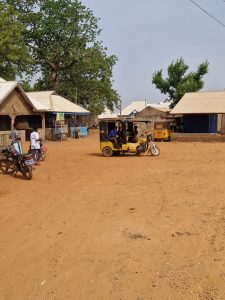
According to Dr. Aryeetey, limited education and widespread misconceptions in rural communities remain major barriers to early detection.
“Many women still have little or no information about breast cancer symptoms, screening procedures, or treatment options,” she said.
She called for intensified community education, collaborations with traditional and religious leaders, and door-to-door outreach programs to help demystify the disease.
Free Screening Now Covered by NHIS
The Program Manager for Non-Communicable Diseases Control at the Ghana Health Service, Dr. Wallace Odike-Ollennu, urged women to take advantage of the inclusion of breast cancer screening under the National Health Insurance Scheme (NHIS).
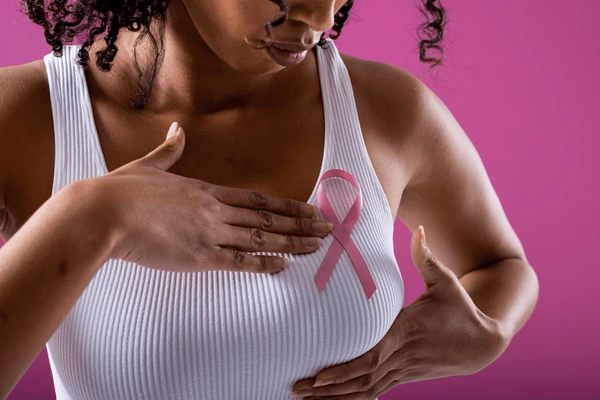
“Women should not wait for symptoms before going for a check-up. Early detection saves lives,” he emphasized.
“Now that screening is covered by NHIS, we encourage all women to get screened regularly, especially those above 40 or with a family history of cancer.”
He reiterated that breast cancer is curable when detected early, stressing that timely diagnosis and treatment are the most effective ways to reduce fatalities.
Survivors Share Stories of Hope and Healing
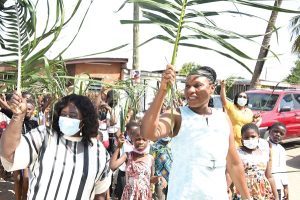
Some breast cancer survivors at the event shared powerful testimonies, crediting early detection and proper medical care for saving their lives.
“We must stop the victimization and fear,” one survivor said. “Women should feel supported, not judged, when they go for screening or treatment.”
They appealed to the public to end discrimination and stigma against breast cancer patients, warning that such attitudes discourage others from seeking help.
Trudy Arnold Turns Grief Into Purpose
For Trudy Arnold, founder of the Trudy Arnold Foundation and CEO of Studio 7 Clinic & Med Spa, the fight against breast cancer is deeply personal. Having lost both her mother and grandmother to the disease, she has turned her pain into advocacy.
“This is not just about breast cancer; it’s about women’s overall well-being,” Trudy said.
“Through the Foundation, we aim to tackle broader issues affecting women and children — from mental health challenges to skill-building and empowerment programs. When we care for women, we strengthen communities.”
Throughout Breast Cancer Awareness Month, her foundation, in partnership with the Ghana Health Service, Breast Society of Ghana, and Judy’s Home Healthcare Agency, rolled out a series of community-based screening and education initiatives to promote early detection.
A National Call to Action
Breast cancer remains the most common cancer among women in Ghana and one of the leading causes of cancer-related deaths. Medical professionals warn that without sustained public education, improved screening accessibility, and social support, the situation could worsen.
The Ministry of Health, Ghana Health Service, and civil society organizations continue to intensify their efforts through free screening exercises, media advocacy, and grassroots awareness programs.
Experts agree on one central message: “Early detection saves lives.”