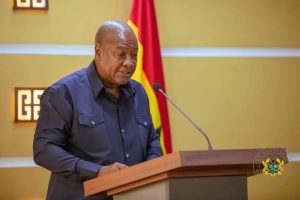
The Member of Parliament for Ahanta West, Mavis Kuukua Bissue, has issued a strong call for government intervention to protect and transform the threatened Cape Three Points Forest Reserve into a world-class ecotourism destination.
Addressing Parliament, she warned that one of Ghana’s most biologically rich landscapes, home to rare wildlife, unique bird species, and critical marine ecosystems, faces severe destruction due to illegal mining (galamsey) and logging activities.
A Biodiversity Hotspot Under Attack
Cape Three Points, located in the Ahanta West Municipality of the Western Region, is renowned for its:
- Unique birds, including Rock Pigeon, Red-eyed Dove, and the endemic Ahanta Spurfowl
- Mammals such as the lesser spot-nosed monkey and white-naped mangabey
- Vast greenery and untouched forest landscapes
- Rich marine life, including migrating dolphins and whales
However, the area has been significantly damaged by illegal mining operations. According to the MP, even after the National Anti-Illegal Mining Taskforce (NAIMOS) conducted arrests in the forest, the destructive activities continue.
“Once a lush green sanctuary is now experiencing widespread destruction. Enforcement alone is not enough,” she stated.
Call for Ecotourism: A Sustainable Alternative to Galamsey
Mavis Bissue advocated for a sustainable economic alternative that would empower communities and reduce dependence on destructive activities.
She argued that transforming the Cape Three Points area into a sustainable ecotourism destination would:
- Provide decent jobs in guiding, hospitality, craft sales, and transportation
- Reduce illegal mining and logging
- Promote biodiversity conservation
- Generate national revenue
- Position Ahanta West as a major tourism hub in Ghana
“When communities benefit directly from tourism-related activities, they will no longer engage in illegal mining. This approach reduces pressure on our forests and stimulates rural economies,” she emphasized.
The “Blood Sky” Phenomenon: A Hidden Ecological Treasure
The MP highlighted one of Cape Three Points’ most extraordinary attractions, a rare natural event known locally as the “Blood Sky.”
This phenomenon occurs on full moon evenings when the horizon glows red as the sun sets, coinciding with the migration of dolphins, whales, and other marine species across the Gulf of Guinea.
She described Cape Three Points as “the ecological and experiential highlight of the Gulf of Guinea.”
A Crucial Marine Ecosystem
Beyond its beauty, Cape Three Points plays a vital ecological role.
The area supports:
- Seasonal fishing pauses that allow fish stocks to replenish
- Preservation of marine biodiversity, including dolphins, whales, and countless fish species
- A natural balance essential for both artisanal fishing and marine conservation
Other Tourism Assets in Ahanta West
The Ahanta West Municipality hosts additional underdeveloped tourism gems, including:
- Two crocodile ponds at Princess Akatekyi and Egyambra
- The Akwidaa Waterfall (Ezile)
- Four historical forts at Butre, Dixcove, Akwidaa, and Princess Town
- Pristine beaches
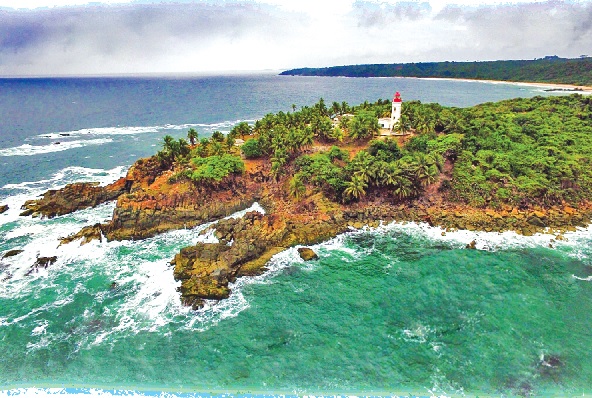
- The iconic Cape Three Points Lighthouse, Ghana’s southernmost landmark
The MP maintains that a coordinated national effort can turn the area into a premier tourism hotspot.
A National Call to Protect Ghana’s Southernmost Forest
The MP concluded her parliamentary statement by urging government, conservation groups, investors, and tourism stakeholders to prioritize protecting and developing the Cape Three Points Forest Reserve.
She stressed that Ghana risks losing one of its most irreplaceable ecological treasures if decisive action is not taken.