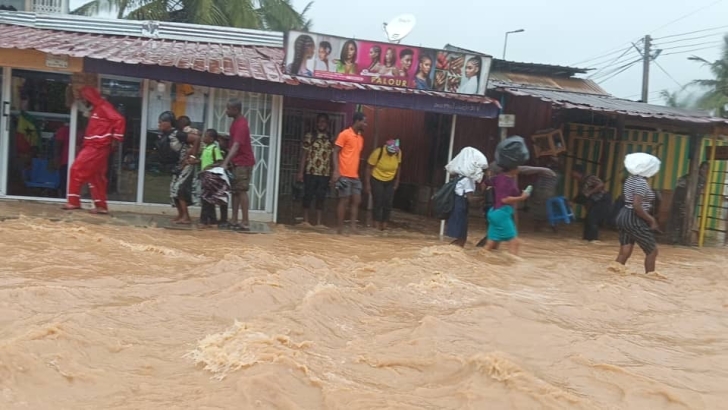
At least 18 people have lost their lives following devastating floods that swept across Ghana’s Central Region, leaving thousands displaced and causing widespread destruction to homes, schools and public infrastructure. The National Disaster Management Organisation (NADMO) has responded by ordering the immediate evacuation of unsafe and dilapidated buildings in affected communities.
According to NADMO, nearly 9,000 residents have been affected by the disaster, which was triggered by torrential rainfall over the weekend. The floods impacted 13 Metropolitan, Municipal and District Assemblies (MMDAs), with the Cape Coast Metropolis emerging as the hardest-hit area.
The Central Regional Director of NADMO, Emmanuel Kwesi Dawood, disclosed that Cape Coast alone recorded six fatalities, five resulting from collapsed buildings and one from drowning. Across the region, deaths were linked to a combination of flooding, mudslides, landslides, drowning incidents, falling trees and structural failures.
Hundreds Displaced as Buildings Collapse
The disaster has left hundreds of families homeless after 58 buildings collapsed in various parts of the region. NADMO reports that at least 377 people have been internally displaced, forcing many victims to seek temporary shelter with relatives, friends, churches and traditional authorities.
Affected districts include Cape Coast, Komenda-Edina-Eguafo-Abrem, Mfantseman, Abura-Asebu-Kwamankese, Upper Denkyira East, Upper Denkyira West and Awutu Senya West, among others. Emergency assessment teams continue to evaluate the extent of the destruction as relief efforts intensify.
Students Count Heavy Losses
NADMO has expressed concern over the impact of the floods on students, particularly around educational institutions in Cape Coast. Many students reportedly lost books, laptops, mattresses and other personal belongings after floodwaters submerged hostels and residential facilities.
The destruction has raised fears about disruptions to academic activities and the financial burden facing affected students and their families.
NADMO Issues Final Evacuation Order
In a bid to prevent further casualties, NADMO has issued a final 14-day ultimatum to occupants of structurally weak and unsafe buildings across the region. The directive, issued in collaboration with local assemblies and security agencies, requires residents and businesses operating in identified hazardous structures to vacate immediately.
Authorities have warned that any building still occupied after the grace period expires will be demolished, with the cost of demolition borne by property owners. Many of the affected structures are reportedly over a century old and have deteriorated due to age, poor maintenance and prolonged exposure to harsh weather conditions.
Poor Drainage and Illegal Developments Blamed
NADMO has attributed the recurring flooding in Cape Coast and surrounding communities to blocked drainage systems, indiscriminate disposal of waste into waterways and illegal developments on wetlands and natural water channels. These activities have obstructed the natural flow of stormwater, worsening flood conditions whenever heavy rains occur.
Communities such as Amamoma, Ayensu, Kwaprow and Apewosika have been identified among areas most vulnerable to flooding due to poor drainage and environmental degradation.
Call for Urgent Support
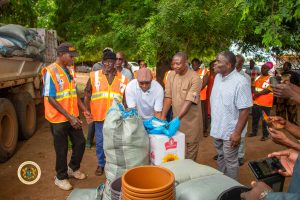
With relief supplies running low, NADMO has appealed to corporate organisations, non-governmental organisations, faith-based groups and philanthropists to support victims with food, mattresses, blankets, roofing sheets, medical supplies and educational materials.
As weather forecasters predict more rainfall in the coming weeks, disaster management officials are urging residents in flood-prone communities to relocate to safer locations and adhere strictly to safety directives.
The Ghana Police Service, Ghana National Fire Service, Ghana Health Service, National Security and other emergency response agencies continue to support rescue, assessment and relief operations across the affected areas.