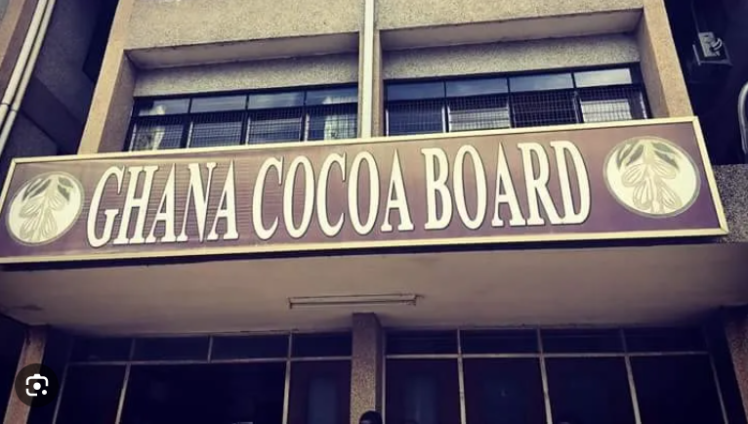
The Governor of the Bank of Ghana (BoG), Dr. Johnson Asiama, has announced that the Ghana Cocoa Board (COCOBOD) is anticipating more than $4 billion in inflows before the end of 2025. The funds are part of a new financing arrangement designed to support cocoa purchases for the upcoming crop season.
Speaking in an exclusive interview with Joy Business’ George Wiafe, Dr. Asiama explained that the anticipated inflows will significantly strengthen the Bank of Ghana’s reserves, enhance liquidity, and boost the central bank’s ability to support the cedi in the coming weeks.
“This development will also send a strong signal to the market that the central bank is well-positioned to intervene when needed to meet the demands of businesses and commercial banks,” Dr. Asiama stated.
According to the Bank’s Economic and Financial Data (July 2025), Ghana’s international reserves currently stand at $11.1 billion.
COCOBOD’s New Financing Model for Cocoa Purchases
In 2023, COCOBOD rolled out a new funding framework for cocoa bean purchases, moving away from a three-decade-old pre-export syndicated loan system with international banks.
Under the new arrangement:
- Global cocoa traders are required to deposit at least 60% of the value of their forward contracts at the beginning of the crop season.
- These deposits are then used to finance farmer purchases through licensed cocoa buying companies (LBCs).
- COCOBOD acts as an intermediary between traders and LBCs, ensuring transparency and efficiency.
This system provides Ghana with greater financial independence while reducing reliance on external syndicated loans.
Positive Outlook for the Cedi
Despite recent market pressures, Dr. Asiama reassured the public and investors of a favourable outlook for the Ghana cedi.
“As regulator, we have taken the necessary actions to ensure stability. Our net international reserves have not run out, and all indicators point to a positive outlook,” he said.
The Governor emphasized that discipline, transparency, and firm regulation remain central to the Bank of Ghana’s monetary policy. He stressed that the central bank is committed to creating a market environment where the cedi can trade freely but predictably, anchored in confidence.
However, he cautioned against market malpractice, warning that those engaging in offshoring, black market speculation, or filing fake import forms will face strict sanctions.