Deputy Minister for Education, Dr. Clement Apaak, has intensified calls for the inclusion of the Buli language in Ghana’s national basic school curriculum, describing the move as both timely and essential for improving foundational learning outcomes.
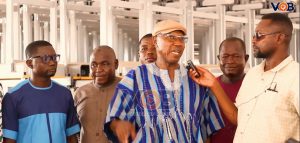
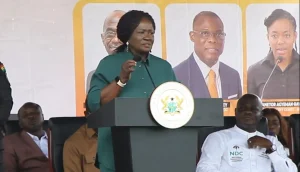
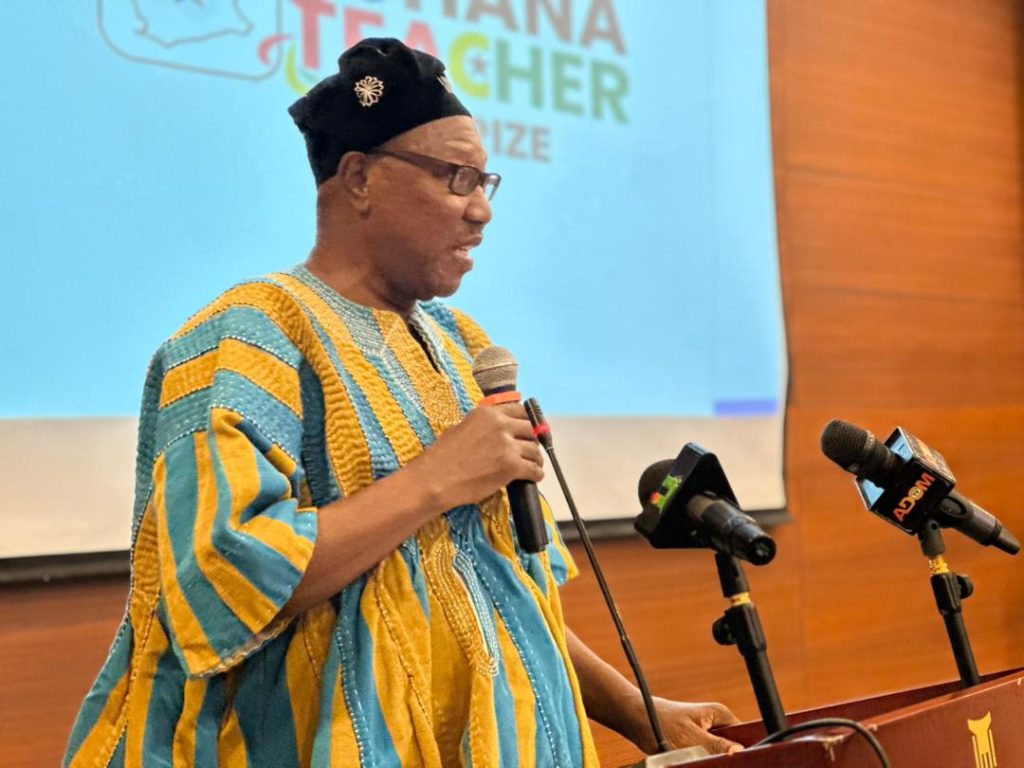
Speaking at a stakeholder engagement focused on developing a unified orthography for the Buli language, Dr. Apaak emphasized that Ghana’s education framework already provides room for mother-tongue instruction, particularly at the kindergarten and lower primary levels.
A Structured Path to Curriculum Integration
Dr. Apaak outlined a clear roadmap for integrating Buli into the national curriculum. According to him, the process will begin with the development of a standardized writing system (Unified Orthography), followed by curriculum review and approval through the National Council for Curriculum and Assessment (NaCCA), and subsequently, the creation of teaching and learning materials.
He further stressed that teacher training will be critical to the success of the initiative, noting that introducing a language into the curriculum without adequately trained educators would undermine its effectiveness.
Importance of Mother-Tongue Education
Citing research on early childhood education, the Deputy Minister highlighted that children learn best when taught in a language they understand. He indicated that the introduction of Buli would focus primarily on early-grade learners to strengthen literacy and comprehension.
This aligns with broader national and global education strategies that emphasize the role of local languages in enhancing learning outcomes and cognitive development among young learners.
Community Participation Key to Success
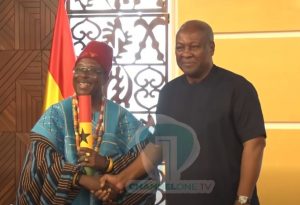
Dr. Apaak underscored the importance of community involvement in the process, urging traditional leaders, educators, and stakeholders in Builsa communities to actively contribute to the development of teaching materials and support the standardization of the language.
He noted that the success of the initiative will depend not only on government efforts but also on strong community ownership and collaboration.
The Builsa South MP assured stakeholders that he will champion the cause at the national level, including in parliamentary debates, committee discussions, and budget considerations, to ensure the successful inclusion of Buli in Ghana’s education system.
The proposed inclusion of Buli is expected to promote cultural identity, preserve indigenous knowledge, and contribute to Ghana’s broader goal of inclusive and equitable education. Education experts believe such initiatives can significantly improve literacy rates while empowering local communities.
Dr. Apaak’s renewed push for the inclusion of Buli in Ghana’s basic school curriculum reflects a growing recognition of the importance of indigenous languages in education. If successfully implemented, the initiative could mark a major step toward inclusive learning and cultural preservation in Ghana’s education system.