
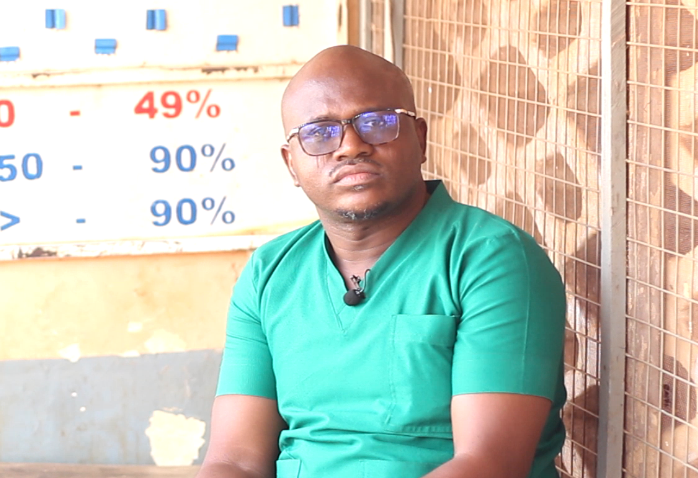
The rising wave of drug abuse in Buluk has reached alarming levels, sparking urgent concern among health professionals and community leaders. In an exclusive interview with Voice of Buluk, Dr. Akinkang Benjamin, a respected medical doctor, issued a strong warning about the devastating impact of substance misuse, particularly tramadol, on the youth, the community, and future development.
According to Dr. Akinkang, the abuse of tramadol and other illicit substances has become a silent epidemic slowly eating away at the productive age group of the area. He cautioned that if the trend continues unchecked, Buluk risks losing an entire generation of vibrant, capable young people.
“If care is not taken, in 10 to 15 years, there will be no well-meaning youth in Buluk,” he warned.
Health and Social Consequences of Tramadol Misuse
Dr. Akinkang emphasized that tramadol, when taken in high doses, severely impairs the body’s ability to feel pain, exposing users to life-threatening injuries without their awareness.
He explained that the drug affects the brain, heart, liver, and psychological stability of individuals. Long-term abuse often leads to:
- Addiction and dependency
- Organ damage
- Severe mental health disorders
- Loss of coordination and judgment
- Risky behavior leading to accidents, violence, or death
He noted that tramadol overdose has become increasingly common among youth across Ghana, but the situation in Buluk is especially worrying due to the rapid spread and easy access to the drug.
Impact on Community Development
Beyond individual health risks, Dr. Akinkang highlighted the broader community implications. Drug abuse weakens the local economy, reduces productivity, and fuels cycles of poverty, crime, and social instability.
“A community without a strong youth base cannot develop,” he stressed. “Our future depends on the decisions our youth make today.”
Call for Immediate Community Action
Dr. Akinkang disclosed that plans are underway to engage community stakeholders, including traditional authorities, religious leaders, youth groups, and security agencies, to collectively fight the menace.
He emphasized the need for:
- Awareness campaigns
- Stricter regulation of drug access
- Parental involvement in monitoring youth behavior
- Rehabilitation programs for affected individuals
- Strong community-based prevention strategies
He appealed directly to the youth to consider their future and reject drug misuse:
“Say no to drugs. Think about the life you want in the next five to ten years.”
A Growing National Concern
Ghana has witnessed a disturbing rise in tramadol abuse in recent years, with several reports from the Northern, Upper East, and Savannah Regions pointing to widespread misuse among young people, including students, farmers, and motor riders. Health experts have repeatedly warned that the trend, if not addressed, could evolve into a national crisis.
Buluk is now grappling with this same challenge, and Dr. Akinkang’s warning serves as a wake-up call for immediate action.












Curtail it’s use, ban it it’s not the only pain killer on earth. The serious aspect of it is the involvement of most of the security agencies being in league with suppliers and users. Tackle the menace seriously from this angle