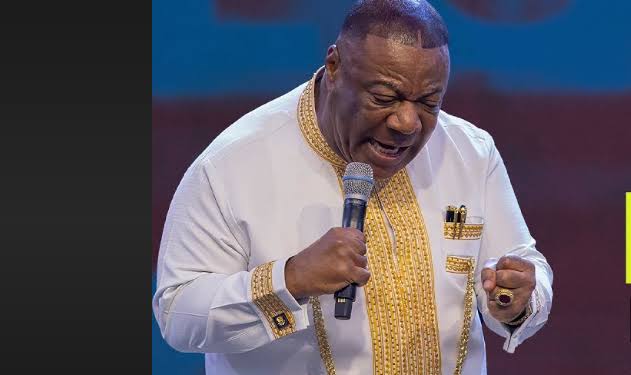
Archbishop Nicholas Duncan-Williams has revealed that some powerful individuals, including foreign nationals who previously profited from Ghana’s illegal gold trade, have approached him for help to regain access to gold through the Ghana Gold Board (GoldBod).
The General Overseer of Action Chapel International said the individuals contacted him after the establishment of GoldBod disrupted the channels through which they previously obtained gold from Ghana.
Speaking in a radio interview on Joy FM on Monday, August 17, 2026, Archbishop Duncan-Williams said he had encountered some of the individuals several years ago while travelling in the Middle East.
According to him, the individuals openly discussed the huge profits they were making from gold obtained through illegal channels in Ghana.
He said the individuals claimed that the value of gold they purchased through illegal routes was worth billions of dollars, with the illegal trade reportedly exceeding the legal gold trade by several multiples.
Duncan-Williams approached for GoldBod connections
Archbishop Duncan-Williams said the situation changed significantly after the establishment of GoldBod, which was created to bring greater control and accountability to Ghana’s gold trade.
He explained that some of the individuals who previously had access to gold began contacting him, asking whether he could intervene on their behalf and help them gain access to GoldBod.
“Since the GoldBod came in to regularise and make sure that we have a responsible way of mining in the country, I’ve had so many calls from some of these people,” he said.
The Archbishop said he rejected the requests and made it clear that he would not personally intervene to secure access to gold for them.
According to him, some of the individuals even offered to pay him in US dollars if he helped them gain access to GoldBod.
“I tell them I can’t help them. I don’t understand how this thing works, so I don’t want to get involved,” he said.
Instead, he said he sometimes directed those seeking access to contact GoldBod officials directly and follow the established procedures.
Foreign nationals allegedly behind illegal gold trade
Duncan-Williams further alleged that some foreign nationals have historically operated behind Ghana’s illegal gold-mining activities, using Ghanaians as fronts.
“We have so many foreigners behind the illegal gold mine and they use some of our own people to front it,” he said.
He expressed concern that many Ghanaians involved in the activities may not fully appreciate the enormous amounts of money generated by the illegal gold trade.
The Archbishop confirmed that some of the people who had contacted him were foreign nationals.
He recounted one such request in which a caller reportedly said they had previously bought gold through Ghana but had lost access following the introduction of GoldBod and asked whether he could help them regain access.
When asked to identify the individuals, however, Duncan-Williams declined to disclose their names, saying he was constrained in what he could publicly reveal.
Duncan-Williams warns about illegal mining
Beyond the gold trade, the Archbishop raised concerns about the continuing impact of illegal mining, popularly known as galamsey, on Ghana’s environment.
He said illegal mining is destroying water bodies and farmland, warning that the consequences could eventually threaten Ghana’s food production and water supply.
He therefore called on Christians to pray for the leadership of GoldBod, as well as security personnel involved in efforts to enforce Ghana’s mining laws.
However, he stressed that prayer must go hand in hand with enforcement.
“I’m not saying that the law shouldn’t be applied. I’m saying that we should pray for those who are enforcing the law to be empowered to do their job,” he said.
GoldBod’s role in Ghana’s gold industry
GoldBod was established through legislation passed by Parliament in 2025 as part of efforts to reform Ghana’s gold sector, improve regulation and address revenue losses associated with illegal gold trading and smuggling.
The institution is mandated to buy, sell, assay and export gold and other precious minerals produced through the regulated sector.
Duncan-Williams’ comments have drawn attention to the scale of the networks that may have previously benefited from Ghana’s illegal gold trade and the potential challenges involved in enforcing tighter controls over the country’s gold industry.