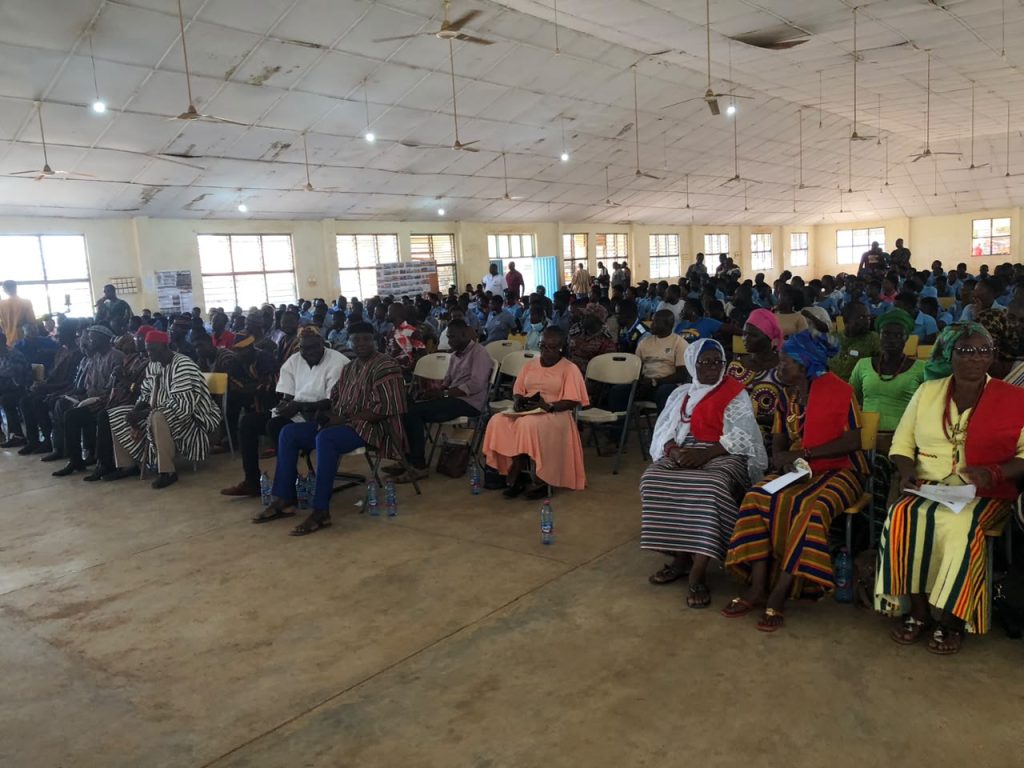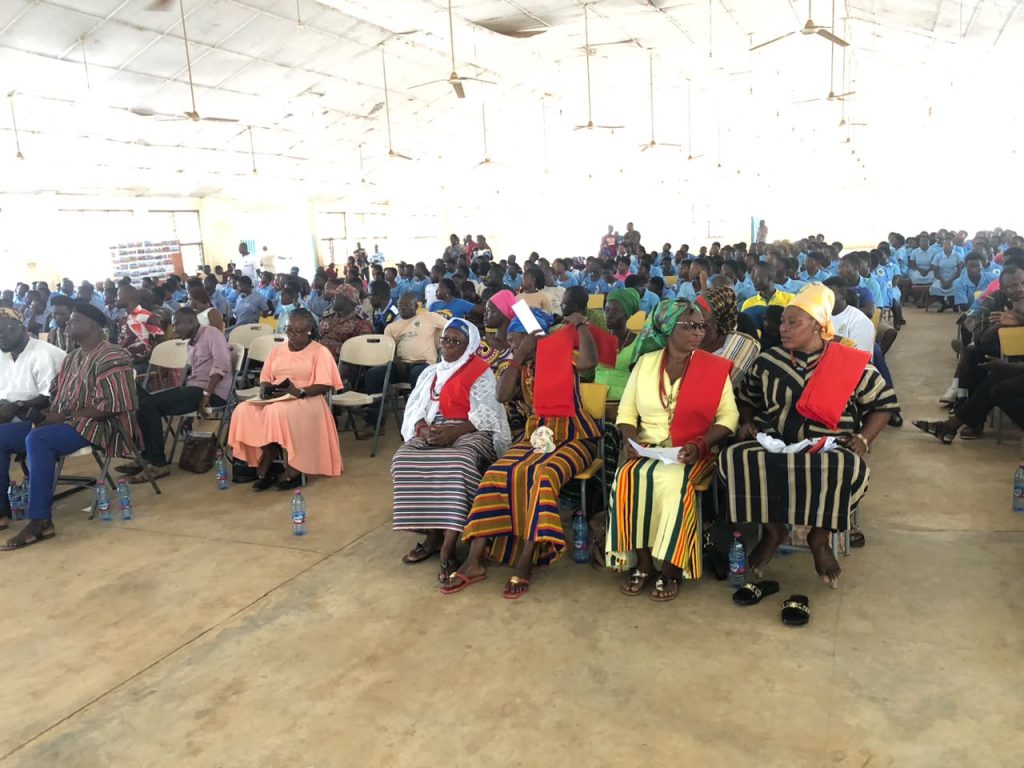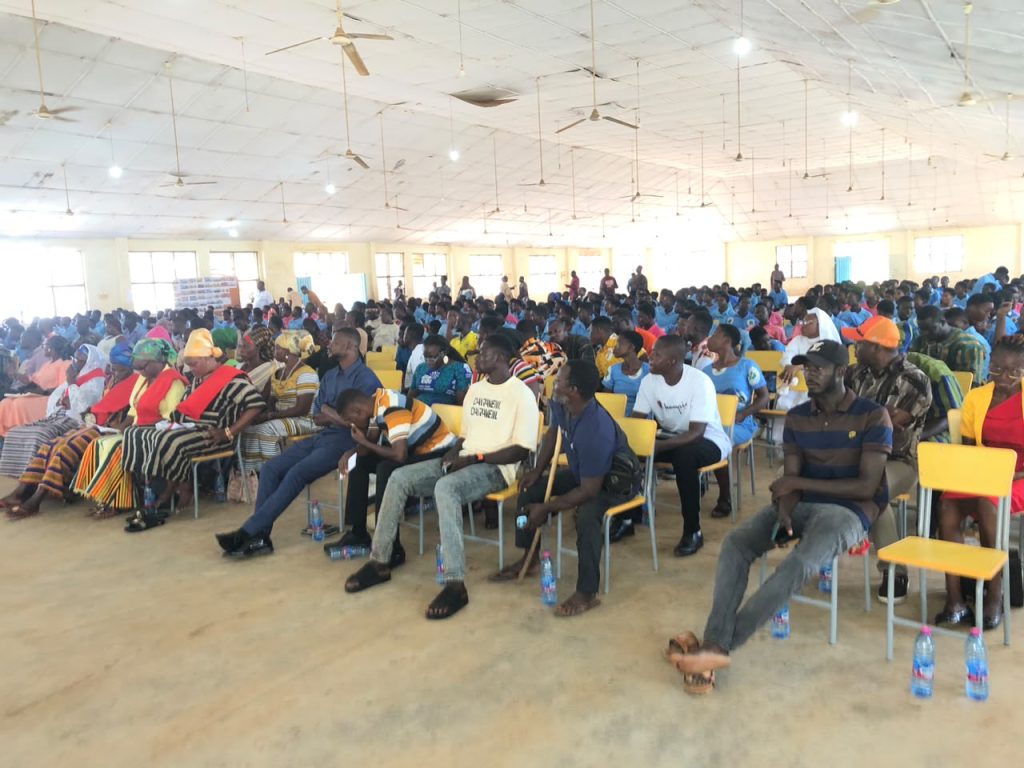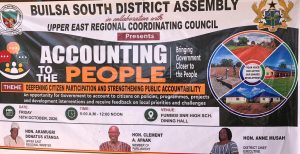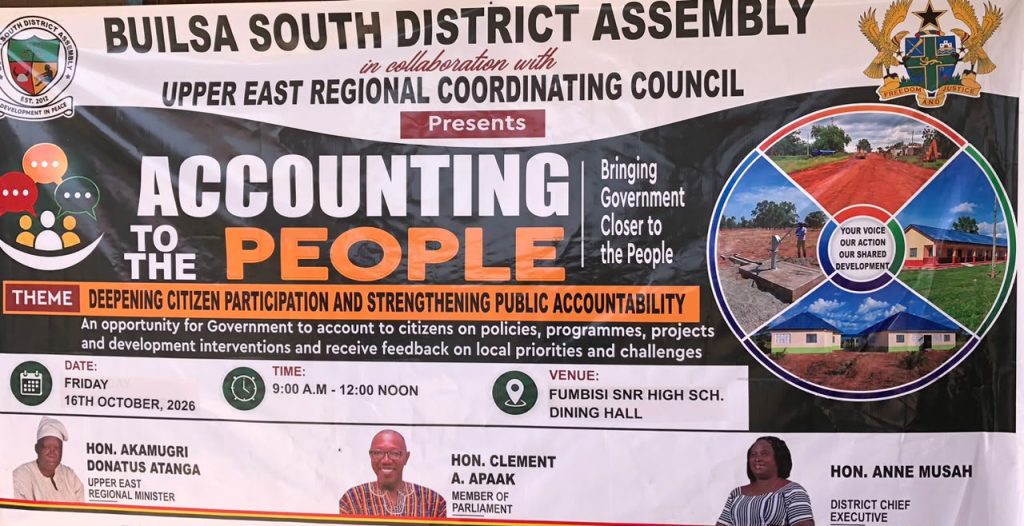
Residents of the Builsa South District have called on the District Assembly to address poor road networks, healthcare challenges, electricity shortages and concerns over the accuracy of reported development projects during an “Accounting to the People” forum held on Friday, October 16, 2026.
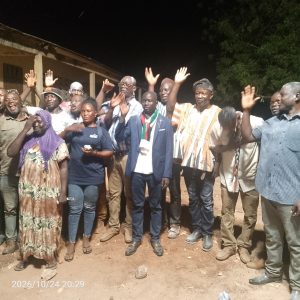
The forum, organised under the theme “Deepening Citizen Participation and Strengthening Public Accountability,” provided a platform for residents, traditional leaders and other stakeholders to assess the Assembly’s development performance and demand answers on issues affecting their communities.
The event followed President John Dramani Mahama’s directive for government institutions to account to the people for their stewardship and demonstrate transparency in the use of public resources.
The Upper East Regional Minister, Hon. Donatus Atanga, chaired the programme. Other dignitaries included the Builsa South District Chief Executive (DCE), Hon. Anne Musah, chiefs and queen mothers, Assembly staff and residents of the district.
Poor Roads Dominate Residents’ Concerns
The condition of roads across Builsa South emerged as the major concern during the accountability forum, with participants calling for urgent interventions on several key routes and community access roads.
Among the roads mentioned were the Kanjarga, Uwasi, Sandema-Fumbisi and Doninga-Sandema roads, alongside other feeder roads connecting farming communities to markets and essential services.
Participants stressed that road development should not be limited to major routes but should also cover smaller community roads that support agriculture, healthcare delivery, education and local economic activities.
The poor condition of the roads, they argued, makes it difficult for farmers to transport rice and other agricultural produce to Fumbisi town, thereby affecting commercial activities and livelihoods.
Concerns were also raised about access to healthcare during emergencies, particularly when pregnant women and critically ill patients require urgent transportation to health facilities.
Some participants further alleged that workers expected to undertake road projects had stopped returning to their sites because of the poor road conditions.
In response to the concerns raised, the Upper East Regional Minister, Hon. Donatus Atanga, assured residents of the government’s commitment to completing roads in Builsa South, alongside addressing other major issues highlighted during the engagement.
Residents Question Accuracy of Reported Development Projects
Beyond infrastructure challenges, participants called for greater accuracy and transparency in the Assembly’s presentation of development projects.
They urged the Assembly to distinguish clearly between projects initiated and completed during the period under review and those inherited from previous administrations.
Questions were raised about the reported completion of the Sandema-Fumbisi road, with participants arguing that the interventions undertaken involved pothole repairs rather than the complete reconstruction of the road.
They cautioned against presenting partial repairs as full project completion, insisting that development reports should accurately reflect the actual scope of work delivered.
Participants also questioned the inclusion of older projects in reports covering achievements from 2024 to date. They called for clear information showing when each project commenced, the work completed and its current implementation status.
The concerns underscored the importance of verifiable project information in strengthening public confidence and enabling residents to assess the Assembly’s performance.
Healthcare Delivery and Agenda 111 Hospital Under Scrutiny
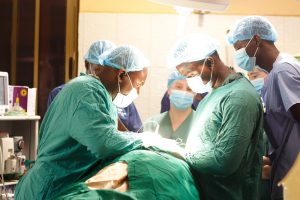
Healthcare infrastructure, staffing and emergency transportation also featured prominently during the engagement. Participants expressed concern about inadequate health personnel at facilities in Sandema and Fumbisi, calling for improved staffing and better conditions for patient care.
They highlighted the need for sufficient beds, reliable electricity, adequate space and appropriate arrangements for pregnant women and other patients. The availability and operation of ambulances also came under scrutiny, particularly regarding the transportation of pregnant women and critically ill patients during emergencies.
Participants further sought clarification on the status of the Agenda 111 hospital project, which they said was not mentioned in the Assembly’s presentation.
They wanted to know whether the project remained ongoing or had been abandoned, stressing the importance of clear communication on major healthcare infrastructure projects intended to improve access to medical services.
Questions Raised Over Boreholes, Electricity and Street Lighting
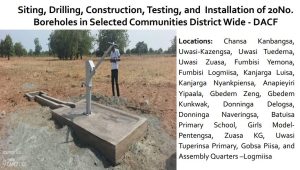
Water access and electricity provision were among the other development issues raised by residents. A participant questioned the status of boreholes reported as completed, urging the Assembly to verify whether the facilities were fully operational and delivered as expected.
Participants also raised concerns about communities without electricity, including Zamsa, where residents were reported to continue relying on traditional lamps.
The need to extend electricity to the Gbedemabisi area was also highlighted, with residents emphasising the importance of power supply in supporting local businesses, agriculture and other economic activities.
Inadequate lighting at health facilities was another concern, as participants called for improved electricity infrastructure to support healthcare workers and patient care.
24-Hour Economy Market and Employment Opportunities
The Assembly’s proposed 24-hour economy market also attracted questions from participants seeking clarity on its scope, implementation and expected benefits.
One participant expressed confusion about the relationship between the proposed market and a dam project, asking whether the two were separate developments or connected components of the same initiative.
Residents also sought updates on employment opportunities associated with the government’s 24-hour economy agenda, particularly opportunities previously announced to the public.
They called on the Assembly to provide clear information on the progress of the market project, its funding arrangements and the employment opportunities it is expected to create.
The questions reflected broader expectations that development initiatives should translate into tangible economic benefits for residents.
Education Infrastructure and Teachers’ Accommodation
Education infrastructure was another important subject during the forum, with participants calling for improvements in school facilities across the district. Concerns included inadequate school fencing, which participants said could affect the safety and security of pupils and school property.
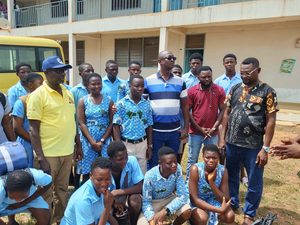
Students from Fumbisi also appealed for sufficient teachers’ accommodation to encourage teachers to live closer to their places of work. They further called for improved dormitory facilities to support students’ welfare and the effective delivery of education.
The concerns came as the Assembly highlighted educational infrastructure projects, including the construction of kindergarten and junior high school facilities.
Support for Persons with Disabilities and Traditional Leaders
Participants also raised concerns about the inclusion of vulnerable groups in development and social protection programmes.
Questions were asked about the Livelihood Empowerment Against Poverty (LEAP) programme, with a participant alleging that some persons living with disabilities were not benefiting from the initiative.
Concerns were also raised about the accessibility of public facilities for persons with disabilities. The Assembly was urged to review the situation and ensure that eligible individuals were not excluded from social support programmes.
Separately, a participant called for buses to support chiefs and queen mothers in carrying out their traditional responsibilities and participating in community development activities.
The request highlighted the logistical challenges that traditional authorities may face in fulfilling their roles in local governance and development.
Calls for Budget Transparency and Community Development Support
Residents also called for greater transparency in the financing of development projects, asking the Assembly to provide details of budget allocations, project costs and implementation progress.
They stressed that access to such information would help communities understand how public resources were being utilised and assess whether promised projects were being delivered.
Other issues raised included the status of the JM Nkoko Nkititi project and the need for dustbins and improved waste management to promote cleaner communities.
Assembly Highlights Completed and Ongoing Projects
During its presentation, the Builsa South District Assembly outlined several development interventions undertaken in the district.
Among the projects highlighted were renovations of CHPS compounds at Wiesa and Gbedembilisa, as well as the construction of kindergarten and junior high school facilities.
The Assembly also identified several projects that were still under construction. These included the 24-hour model market, dormitory blocks at Kanjarga Senior High School and the District Education Office complex.
The presentation formed part of the Assembly’s account of its development activities and provided the basis for questions from participants seeking further information on project delivery, funding and outstanding work.
However, the issues raised during the question-and-answer session demonstrated residents’ desire for more detailed explanations of project timelines, expenditure, completion status and the practical impact of development interventions.
Regional Minister and DCE Respond to Residents
Following the questions and concerns raised by participants, the Upper East Regional Minister, Hon. Donatus Atanga, and the District Chief Executive, Hon. Anne Musah, took turns addressing the issues.
The Regional Minister assured residents of the government’s commitment to completing roads in Builsa South and addressing other major concerns raised during the forum.
His assurance came amid repeated calls for improved road infrastructure to support healthcare access, agricultural transportation and economic development.
The engagement also gave the district leadership an opportunity to respond directly to residents and hear concerns about public services, infrastructure and accountability.
Accountability Forum Highlights Residents’ Development Expectations
The “Accounting to the People” forum highlighted the growing importance of citizen participation in local governance and the need for public institutions to provide clear, accurate and verifiable information about their activities.
While the Assembly presented completed and ongoing projects, residents used the opportunity to demand more details about the scope of work undertaken, the resources committed and the progress of projects affecting their communities.
The concerns raised point to several priorities for Builsa South, including improved roads, stronger healthcare delivery, expanded electricity access, better educational infrastructure, inclusive social protection and transparent project financing.
For residents, the effectiveness of the accountability exercise will ultimately depend not only on the explanations provided during the forum but also on the practical steps taken to address the issues raised.
The engagement therefore serves as an important opportunity for the Assembly and other relevant authorities to strengthen public trust through accurate reporting, regular updates and demonstrable progress on outstanding development needs.