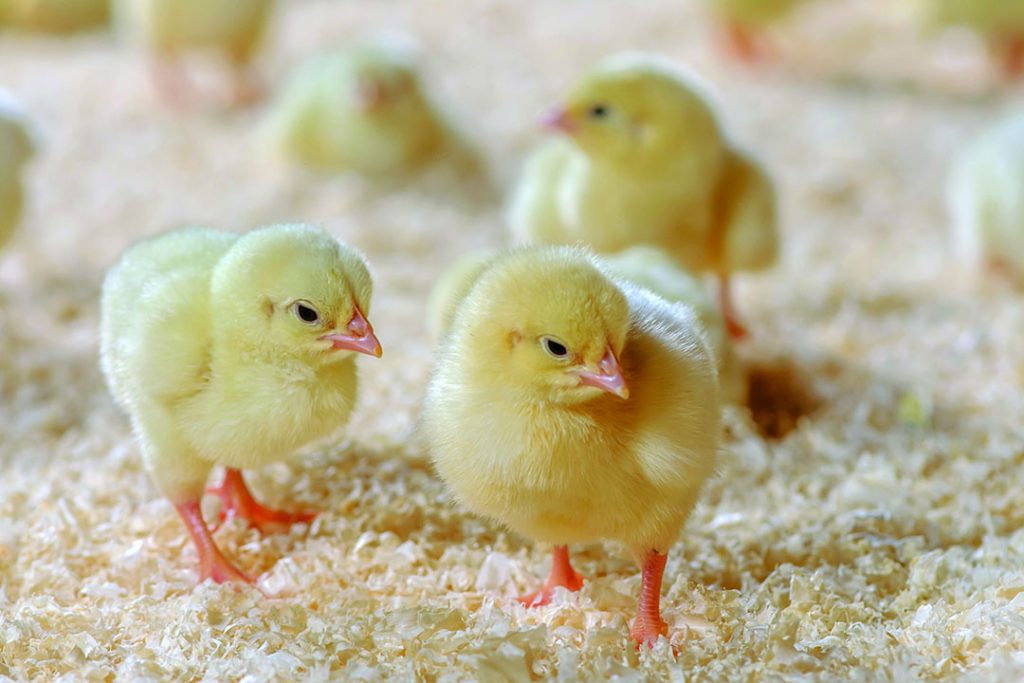
The Minister for Food and Agriculture, Eric Opoku, has reaffirmed government’s commitment to officially launch the ‘Nkukor Nkitinkiti’ (Day-Old Chicks) Programme by the first week of October 2025.
Speaking at the ECOWAS Regional Trade in Livestock forum on Tuesday, September 9, Minister Opoku revealed that procurement processes are already underway to engage contractors who will handle the distribution of the day-old chicks to beneficiary households.
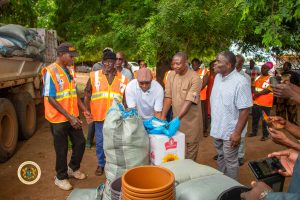
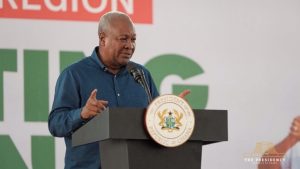
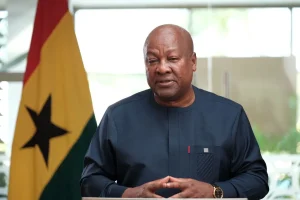
The ‘Nkukor Nkitinkiti’ initiative, originally proposed by former President John Dramani Mahama ahead of the 2024 elections, is designed as a poverty alleviation and food security programme. It targets households interested in poultry farming by providing them with day-old chicks, feed, veterinary support, and guidance for constructing mini-hencoops. The goal is to enable families to rear poultry, generate income from sales, and improve household nutrition.
Despite criticism from sections of the public about delayed implementation, Minister Opoku stressed that the programme remains a top government priority.
“We are hoping to see the programme launched by the end of this month or in the first week of October. His Excellency, the President, will officially launch it and distribution will begin in the various constituencies for the beneficiary farmers,” he stated.
The Minister further disclosed that final beneficiary lists are being compiled, while procurement processes to engage reliable contractors are nearing completion.
“We are now putting the list together, and we are going through procurement to engage contractors to supply us with the best. So, very soon, it will be launched,” he emphasized.
The rollout of the ‘Nkukor Nkitinkiti’ programme is expected to:
- Boost poultry production at the household level
- Strengthen food security in Ghana
- Provide an additional source of income for families across the country
With the October launch date fast approaching, the initiative is anticipated to play a major role in revitalizing Ghana’s poultry industry and supporting rural households.