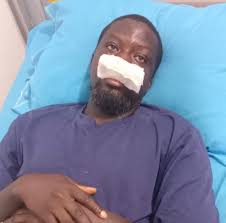
Renowned Ghanaian visual artist and founder of Red Clay Studio, Ibrahim Mahama, has been hospitalised following an alleged assault involving a group reportedly identified as “Black Maria,” sparking widespread concern and calls for accountability.
Incident Overview
According to reports, Mahama was involved in an altercation that resulted in physical harm, leading to his admission to a medical facility for treatment.
The circumstances surrounding the incident remain unclear, but early accounts suggest that the alleged assault involved individuals believed to be part of a security-related unit commonly referred to as “Black Maria.”
Conflicting Claims and Investigations
Emerging developments indicate conflicting narratives regarding the involvement of the said group. While initial reports linked the assault to the “Black Maria” team, regional police authorities have reportedly distanced themselves from the claims and launched investigations into the matter.
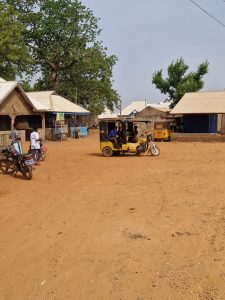
Additional reports suggest that the incident occurred in Tamale, where Mahama is known to operate key artistic and cultural institutions, including Red Clay Studio.
Allegations of Rights Abuse
Mahama has reportedly described the incident as a violation of his rights, alleging that force was used against him during the encounter. The claims have intensified public discourse around the conduct of security personnel and the protection of civil liberties.
Official Response
Authorities, including the Northern Regional Police Command, have initiated formal investigations to establish the facts and identify any individuals responsible.
Regional leadership has also condemned the incident and assured the public that any unlawful actions will be addressed through due process.
Public Reaction and Broader Implications
The case has triggered significant public interest, particularly within Ghana’s creative community, where Mahama is regarded as one of the country’s most influential contemporary artists.
Observers say the outcome of the investigation could have broader implications for accountability within security operations and the relationship between state authorities and civilians.
Conclusion
As investigations continue, the focus remains on establishing the truth behind the alleged assault and ensuring justice for all parties involved. The incident underscores ongoing concerns about security conduct and the need for transparency in law enforcement operations in Ghana.