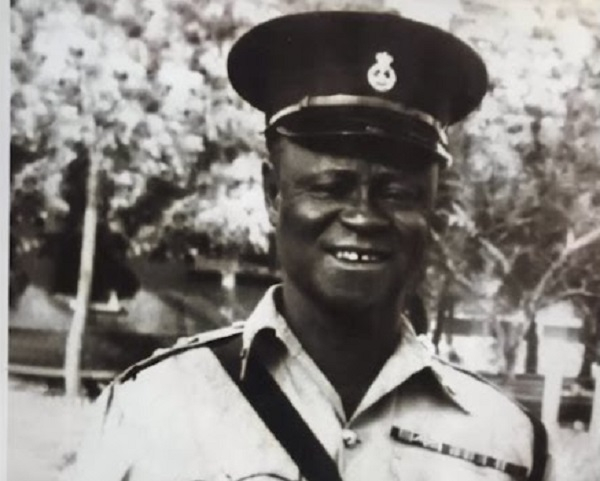
The history of Ghana’s fight for independence is often told through the well-known names of those who paid the ultimate price, but there are heroes whose stories have not received their rightful place in the narrative. One such figure is Issah Abalansah Kanjaga, fondly known among the Bulsa people of Buluk for his courage during the pivotal Christiansborg Crossroads shooting on February 28, 1948, an event that would galvanize the movement toward Ghana’s independence.
A Bulsa Son at a Crucial Moment
Born in Sinyangsa-Wiaga in Buluk, Issah Kanjaga belonged to an ethnic group with a long history of bravery, resistance, and military prowess. The Bulsa people, also known as Builsa, are renowned in northern Ghana for their formidable resistance to 19th-century slave raiders such as Babatu, a legacy still celebrated today through festivals like Feok, which commemorate the community’s successful defence of their land and freedom.
During the British colonial era, many Bulsa men, tall, strong, and disciplined, were recruited into the Gold Coast Regiment and the colonial police force, where they served with distinction in various campaigns. This legacy of service includes individuals like John Kanjaga, a Builsa man who fought in the First World War and earned commendations for his bravery.
The 1948 Christiansborg Crossroads Shooting
On February 28, 1948, a group of unarmed ex-servicemen marched to Christiansborg Castle in Accra to present a petition to the British colonial governor demanding overdue allowances and fair treatment. Confronted by colonial police under Superintendent Colin Imray, peaceful protest quickly turned violent when Imray ordered his men to fire on those demonstrators, killing Sergeant Adjetey, Corporal Attipoe, and Private Odartey Lamptey.
Amid this tragic moment, Issah Kanjaga, then a high-ranking non-commissioned officer, showed remarkable moral courage. Recognizing that the order to fire on unarmed veterans was unlawful, he gave a counter-order in Hausa to his fellow soldiers to fire their shots into the sky instead of into the crowd, preventing further bloodshed.
When Imray realized that his command was being disobeyed, he allegedly seized Kanjaga’s rifle and fired, contributing to the deaths that day. Still, Kanjaga’s decisive action likely saved dozens of lives, averting a massacre and preserving the dignity of those veterans and civilians who had marched peacefully.
Bulsa Warrior Ethos and Ghana’s Independence
The soul of the Bulsa people has long been shaped by resistance and collective defence, from standing against slave raiders in the 19th century to answering the call of duty during global conflicts under colonial rule. Bulsa men were considered among the best recruits from northern Ghana for the British colonial army due to their strength and discipline, reinforcing a legacy of service that would indirectly fuel rising nationalist sentiments across the Gold Coast.
Kanjaga’s actions at Christiansborg Crossroads, rooted in a deep sense of justice and unwillingness to turn colonial weapons against unarmed Ghanaians, reflect this warrior ethos, one that values courage, unity, and respect for human dignity.
Why Issah Kanjaga Matters Today
Although today Ghana commemorates the Christiansborg Crossroads shooting each February 28 to honour the fallen heroes, Issah Kanjaga’s contribution is seldom mentioned, overlooked in national ceremonies and history books alike. Yet his intervention adds a powerful layer to Ghana’s independence story, showing that resistance took many forms, including the bravery of those who chose conscience over blind obedience.
For the people of Buluk, Kanjaga’s legacy resonates deeply. It links the historical spirit of resistance, from driving back slave raids to serving in colonial regiments, with the broader push for self-determination that eventually led to Ghana’s independence in 1957. Recognizing figures like Kanjaga offers a richer, more inclusive understanding of how diverse communities across Ghana contributed to freedom from colonial rule.