The Sekondi-Takoradi Metropolitan Health Directorate has raised concern over the rising number of Mpox cases in the Western Region, with health officials confirming 70 infections and 184 suspected cases across 15 coastal communities.
At a media briefing on September 18, Metropolitan Director of the Ghana Health Service, Dr. Pius Mensah, revealed that three emergency patients are currently under management while three frontline health workers have also contracted the virus and are receiving treatment.
“Despite weeks of outreach, education campaigns, and risk-mitigation messages, infections keep rising. We appeal to the public to avoid behaviours that expose them to contracting or spreading the virus,” Dr. Mensah cautioned.
He further called on the media to partner health authorities in intensifying education, particularly in high-risk communities along the coast.
WHO Joins Ghana’s Mpox Response
Deputy Minister of Health, Dr. Grace Ayensu-Danquah, has welcomed a joint mission team from the World Health Organization (WHO) to support Ghana’s fight against the outbreak.
Providing an update, she disclosed that the Western Region currently accounts for 71% of Ghana’s confirmed Mpox cases, making it the epicenter of the outbreak.
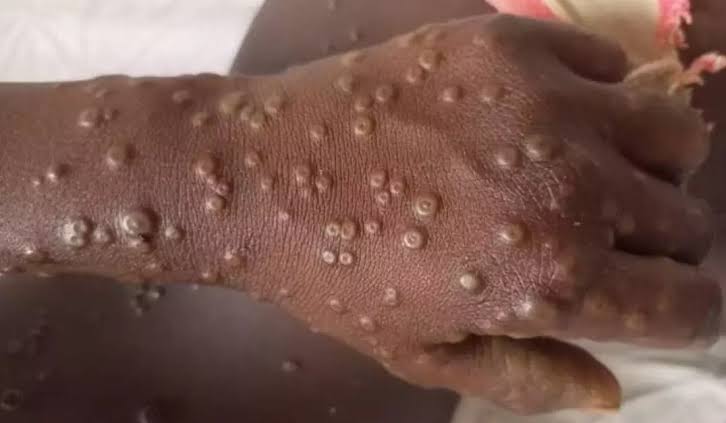
Mpox—formerly called monkeypox—is a viral zoonotic disease that spreads between humans and animals.
Dr. Ayensu-Danquah outlined the government’s response measures, which include:
- Enhanced surveillance and monitoring of cases to identify trends.
- Public sensitization campaigns in high-risk communities.
- Vaccination plans to protect vulnerable groups.
- Strengthening healthcare infrastructure to improve treatment and containment.
“These efforts align with President John Dramani Mahama’s commitment to improving healthcare delivery in Ghana. The situation is being closely monitored, with authorities determined to contain the spread,” she noted.
Africa-Wide Response to Mpox
The Africa CDC, in collaboration with WHO, has rolled out a continental response plan to support member states. The plan prioritizes:
- Controlling outbreaks through rapid response.
- Expanding vaccination coverage across affected regions.
- Transitioning to sustainable, long-term response strategies for Mpox management.
Call for Community Vigilance
Health authorities stress that community vigilance remains the strongest defense against the outbreak. Citizens are urged to adhere strictly to preventive measures such as:
- Avoiding close contact with infected persons.
- Maintaining proper hand hygiene.
- Reporting suspected cases promptly to health facilities.
The Ghana Health Service has assured the public that with increased WHO support, enhanced surveillance, and community cooperation, the outbreak can be contained.