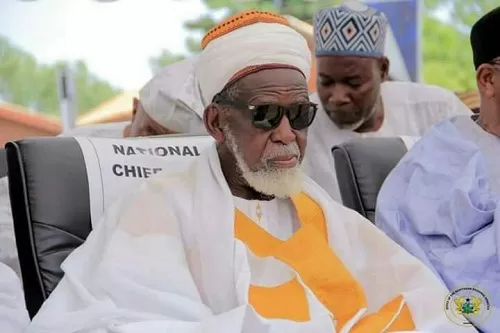
The National Chief Imam, Osman Nuhu Sharubutu, has issued a strong advisory to Muslims across Ghana ahead of the Eid-ul-Fitr celebrations, urging strict adherence to principles of decency, modesty, and legality.
The guidance comes as the Muslim community prepares to mark the end of Ramadan, one of the most significant periods in the Islamic calendar, characterized by fasting, prayer, and spiritual reflection.
Call for Responsible Celebration
In his message, the revered Islamic leader emphasized the need for Muslims to celebrate Eid in a manner that reflects the moral and spiritual lessons of Ramadan.
He cautioned against behaviours that undermine Islamic values, stressing that festivities should remain disciplined, respectful, and aligned with religious teachings.
The Chief Imam underscored that celebrations must not become an avenue for indecent dressing, excessive indulgence, or activities that contradict Islamic principles.
Emphasis on Modesty and Moral Conduct
A key highlight of the directive is the call for modesty, particularly in dress and social conduct. Muslims were urged to uphold dignity in public and private spaces, ensuring that their actions reflect the core teachings of Islam.
The guidance also discouraged immoral practices and social behaviours that could lead to misconduct, reinforcing the importance of self-restraint even during festive periods.
Adherence to Laws of the Land
Beyond religious expectations, the Chief Imam stressed the importance of obeying national laws during the celebrations.
He reminded the public that Eid festivities must be conducted within the framework of Ghana’s legal system, warning against activities that could disturb public order or violate regulations.
This includes maintaining peace in communities, avoiding reckless behaviour, and respecting public safety guidelines.
Promoting Peace and Unity
The Chief Imam further called for unity among Muslims and peaceful coexistence with people of other faiths.
He encouraged acts of kindness, charity, and communal support, particularly towards the less privileged, as part of the essence of Eid celebrations.
Religious harmony and national cohesion, he noted, should remain central to the observance of Eid-ul-Fitr in Ghana.
A Timely Reminder
The Eid-ul-Fitr guidance serves as a timely reminder of the broader purpose of Ramadan, spiritual renewal, discipline, and moral uprightness.
As Ghana’s Muslim population prepares to celebrate, the message reinforces the need to balance festivity with responsibility, ensuring that celebrations remain both meaningful and socially responsible.
The directive by the National Chief Imam reinforces the role of religious leadership in shaping ethical conduct beyond the mosque. By emphasising decency, modesty, and legality, the guidance sets a clear tone for a peaceful and morally grounded Eid-ul-Fitr celebration in Ghana.