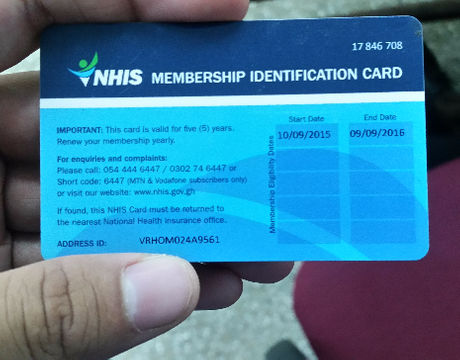
Ghana’s National Health Insurance Scheme (NHIS) is facing one of its worst operational crises in years, as a nationwide digital system collapse has forced hospitals to revert to the defunct “Cash and Carry” system, leaving millions of cardholders stranded and unable to access healthcare services.
The breakdown, which has persisted for over a week, has crippled hospital operations across the country, compelling healthcare facilities to demand upfront payments from patients who would otherwise have been covered under the NHIS.
The disruption was most evident at the Gbawe SDA Hospital in the Weija-Gbawe Municipality, where patients on Tuesday, October 7, 2025, were told that the NHIS verification platform was down, invalidating their insurance for the day.
Patients Bear the Brunt: Fees Triple Overnight
The failure of the NHIS digital platform has resulted in sharp price hikes for patients who depend on the scheme. At Gbawe SDA Hospital, for instance:
- Consultation fees have jumped from GH₵18 to GH₵54, representing a 200% increase.
- Laboratory tests such as malaria and Full Blood Count (FBC) are no longer covered, forcing patients to pay full commercial rates.
A patient named Nii, who accompanied his 73-year-old mother for routine care, shared his frustration:
“I would have paid less than GH₵30 for consultation, but I paid GH₵54. I’ve spent a little over GH₵200, which includes the labs. If NHIS were active, I would have paid less than GH₵150.”
Another patient, a woman in her 30s recently discharged from the same facility, described her ordeal:
“I spent GH₵1,500 but would have paid less than GH₵1,000 if the NHIS system was working. It’s not everyone who can afford healthcare without insurance. This is a big challenge because I didn’t plan for that expense.”
NHIA Confirms System Failure, Promises Urgent Fix
The Chief Executive of the National Health Insurance Authority (NHIA), Dr. Victor Asare Bampoe, has confirmed the nationwide disruption, acknowledging that some hospitals have been turning away NHIS patients or charging them upfront.
“We want our members to have a cash-free experience as much as possible, regardless of the challenge,” Dr. Bampoe said during a visit to the Ho Teaching Hospital on October 8.
He explained that the national electronic health records and hospital management system, which powers the NHIS operations, is managed by a separate entity.
Dr. Bampoe assured that the Authority is working on short- and medium-term solutions to restore services and eliminate out-of-pocket payments, including possibly deploying NHIA staff to hospitals to assist with manual verification.
“We are working closely with the Ministry of Health to ensure full system functionality is restored as quickly as possible,” he added.
Public Health Experts Warn of a Major Setback
Health policy experts warn that the collapse of the NHIS digital platform could have far-reaching consequences for universal healthcare coverage in Ghana.
With over 16 million active NHIS members, the scheme has been a cornerstone of Ghana’s healthcare system since its inception in 2004. The current breakdown, however, threatens to reverse years of progress, pushing vulnerable patients back into financial hardship.
Many healthcare stakeholders are calling for a comprehensive review of the NHIS IT infrastructure to prevent future crises and ensure uninterrupted access to affordable healthcare.