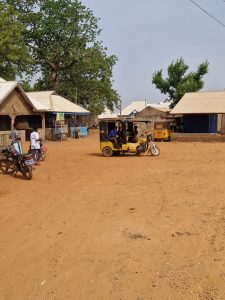
The Oti Region is facing a major typhoid fever outbreak, with more than 10,000 confirmed cases recorded in just the first half of 2025, according to the Regional Health Directorate.
The alarming rise in infections has been linked to poor sanitation, weak waste management systems, and limited access to safe drinking water, leaving several communities vulnerable.
Rising Case Numbers
- First Quarter 2025: 4,417 cases reported
- Second Quarter 2025: 5,816 cases reported
This brings the total to 10,233 confirmed cases between January and June 2025, making typhoid one of the region’s most pressing public health challenges.
Government and Health Response
To address the outbreak, the Regional Council and Environmental Health Directorate have launched a sanitation task force. The initiative is focused on:
- Clearing waste and improving disposal systems
- Expanding access to clean drinking water
- Enforcing sanitation laws across communities
- Rolling out intensified hygiene education campaigns
Hygiene Education and Enforcement
Regional Environmental Health Officer Cynthia Sekyere explained that a six-month hygiene education campaign was carried out earlier this year to sensitize residents. However, compliance has been limited.
“Oti Region, being one of the newly created regions, is recording a high prevalence of typhoid fever mainly due to poor sanitation practices. While we have done a lot in terms of hygiene education, enforcement of sanitation laws has been weak, and that is why the task force has been set up,” she said in an interview on TV3’s News360.
She added that although 19 sanitation-related summonses were issued in 2024, only 8 individuals complied, highlighting the enforcement gap. Moving forward, the Regional Environmental Taskforce will ensure strict compliance with sanitation laws to complement ongoing hygiene campaigns.
The Way Forward
Health experts warn that without urgent action, the situation could escalate further, endangering lives and stretching health facilities in the region. The combined approach of community education, improved sanitation infrastructure, and strict law enforcement is expected to help contain the outbreak.