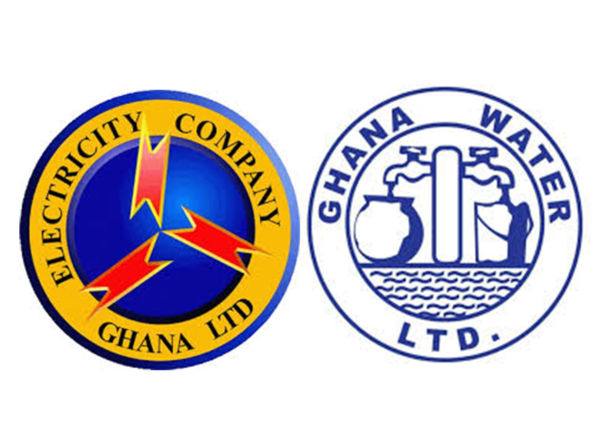
Consumers across Ghana will pay more for electricity and water from January 1, 2026, following the approval of new utility tariffs by the Public Utilities Regulatory Commission (PURC). The revised tariffs, electricity up by 9.86% and water by 15.92%, were announced on Tuesday, December 2, 2025, after the completion of the Multi-Year Tariff Review Order (MYTO) for 2026–2030.
The announcement was made in an official statement signed by the newly appointed Executive Secretary of the Commission, Dr Shafic Suleman, who explained that the review was conducted in accordance with the PURC Act, 1997 (Act 538), particularly sections 3, 16, 17, 18, 20 and 21.
According to Dr Suleman, the major tariff review, last conducted in September 2022, assessed both capital expenditure (CAPEX) and operational expenditure (OPEX). This differs from the Commission’s quarterly tariff adjustments, which only account for operational costs beyond the control of utility providers.
Why the Tariffs Are Increasing
Dr Suleman highlighted that the Commission considered several key factors during the MYTO review process, including:
- Investment requirements of electricity and water utilities
- Economic conditions and cost of living
- Competitiveness of local industries
- Sustainability and viability of national utility companies
He explained that the revised rates, which take effect in 2026, will remain applicable throughout the five-year tariff control period, subject to scheduled quarterly reviews.
Quarterly Adjustments Still in Force
While the new rates will guide the 2026–2030 period, quarterly adjustments will continue. These adjustments account for fluctuating economic indicators such as:
- Ghana cedi to US dollar exchange rate
- National inflation
- Hydro–thermal generation mix
- Weighted Average Cost of Gas (WACoG)
“These quarterly reviews will maintain the real value of the tariffs while protecting the financial viability of utility service providers and the interest of consumers,” the statement added.
Support for Mini-Grids and Island Communities
A key policy reform included in the latest MYTO is the integration of mini-grid electricity systems designed for island and remote communities. The Commission has incorporated the cost of supplying these areas into the revenue requirement of the Volta River Authority (VRA) to ensure equitable and uniform tariffs nationwide.
“This ensures that consumers in mini-grid communities pay the same tariffs as those served through the traditional grid,” Dr Suleman explained.
Stakeholder Engagements and Investment Hearings
The tariff approval follows extensive national consultations, including investment hearings, stakeholder engagements, and regional public forums. These were held to assess utility proposals and gather public input before the final decision.