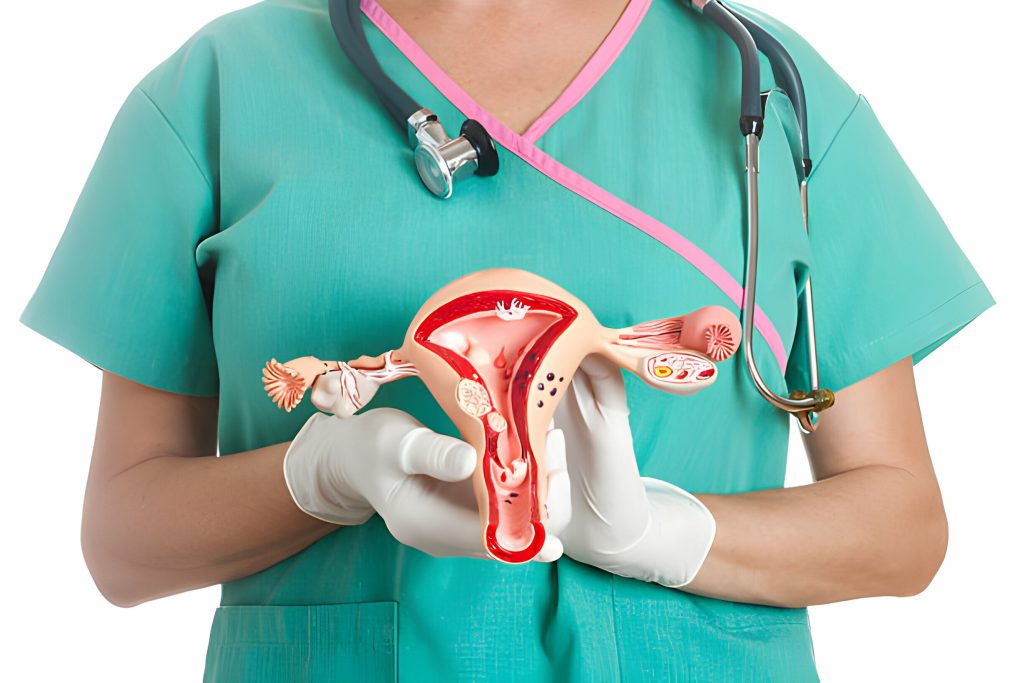
The Volta Region has recorded an alarming 54 cases of cervical cancer between January and July 2025, according to new data from the Ghana Health Service (GHS). This mid-year figure already represents a sharp increase compared to the 86 cases reported for the entire year of 2024, raising serious concerns about the growing health burden on women in the region.
Since 2016, the Volta Region has documented more than 500 cervical cancer cases, with health experts warning that the actual number may be much higher due to stigma and underreporting.
“These figures are cases that have reported at our health facilities but there could be more out there; some women are very sick but don’t come forward because of stigma,” said Dr. Hectoria Aweyeka, Deputy Director of Public Health, in an interview on September 29.
Nationwide HPV Vaccination Campaign
In response, the Ghana Health Service is rolling out a Human Papillomavirus (HPV) vaccination campaign aimed at protecting girls aged 9 to 14 years from the virus that causes most cervical cancer cases.
The campaign will run from 7th to 11th October 2025 and targets 115,025 girls in the Volta Region as part of a broader nationwide immunization effort.
Dr. By Atsu Dodor, Volta Regional Director of Health Services, emphasized the importance of parental involvement:
“By vaccinating girls early, we give these young girls the gift of primary prevention, long before the risk of disease starts.”
Tackling Vaccine Hesitancy
Despite the lifesaving potential of HPV vaccines, health officials face significant challenges due to vaccine hesitancy in parts of the Volta Region. To counter this, GHS has intensified stakeholder engagements with parents, schools, community leaders, and religious groups to encourage widespread participation in the campaign.
Cervical Cancer in Ghana: A Growing Public Health Concern
Cervical cancer is currently the second most common cancer among women in Ghana and the second leading cause of cancer-related deaths. Data from the Ghana Health Service shows that in 2020 alone, nearly 2,800 new cases were recorded, leading to 1,700 deaths.
The disease is both preventable and treatable, but about 70% of Ghanaian women are diagnosed at advanced stages, when treatment options are limited and survival chances significantly reduced.
Public health experts stress that early detection, regular screening, and HPV vaccination are the most effective tools in reducing the country’s cervical cancer burden. The upcoming vaccination campaign is seen as a crucial step in protecting the next generation of Ghanaian women.