Introduction
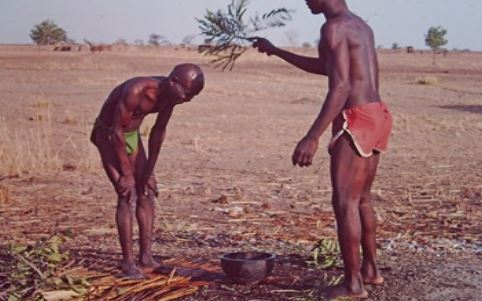
Among the Bulsa people of northern Ghana, medicine is deeply intertwined with culture, spirituality, and occupation. One of the most intriguing aspects of Bulsa indigenous medical knowledge is Vayaam medicine, a specialized form of traditional medicine associated with gravediggers. This system reflects how health, ritual responsibility, and spiritual protection converge within Bulsa society.
This article explores the Vayaam medicine of the gravediggers, its purpose, cultural meaning, and its place within the broader Bulsa medical system.
Who Are the Gravediggers in Bulsa Society?
In Bulsa culture, gravediggers occupy a ritually sensitive and socially significant role. Their work places them in direct contact with death, burial grounds, corpses, and powerful spiritual forces. As a result, they are believed to be constantly exposed to spiritual danger, illness, and misfortune.
Because of this exposure, ordinary medicine is considered insufficient. Instead, gravediggers rely on Vayaam, a specialized medicinal and spiritual system designed to protect, strengthen, and purify them.
What Is Vayaam Medicine?
Vayaam medicine is a form of occupational ritual medicine used exclusively by Bulsa gravediggers. It is not a general-purpose remedy but a protective medical system combining herbal treatment, ritual observance, and spiritual reinforcement.
Vayaam is believed to:
- Protect gravediggers from spiritual contamination
- Prevent mysterious illnesses linked to burial activities
- Neutralize harmful forces associated with death
- Maintain physical and spiritual balance
Importantly, this medicine is not transferable to the general population and is reserved for those initiated into grave-digging duties.
Composition and Preparation of Vayaam
Vayaam medicine typically consists of:
- Selected medicinal herbs known only to specialists
- Roots, barks, and leaves with cleansing and protective properties
- Ritual preparation, often accompanied by incantations or ancestral invocation
The preparation is guided by tradition and spiritual authority rather than experimentation. Knowledge of Vayaam is inherited or transmitted orally, often within families or through apprenticeship.
How Vayaam Is Used
Vayaam medicine may be administered in several ways, including:
- Drinking herbal concoctions
- Bathing or washing with prepared solutions
- Ritual application before or after burial activities
Its use is closely regulated. Improper handling or unauthorized use is believed to bring misfortune rather than protection.
Spiritual Significance of Vayaam
In Bulsa belief, illness is not always physical. Contact with death can disturb a person’s spiritual equilibrium. Vayaam medicine functions as a spiritual shield, restoring harmony between the individual, the ancestors, and unseen forces.
This reflects a core principle of the Bulsa medical system:
Healing is both physical and spiritual.
Vayaam and Indigenous Knowledge Systems
The Vayaam medicine of the gravediggers highlights the sophistication of African indigenous medical systems. It shows how traditional societies:
- Recognized occupational health risks
- Developed specialized medical responses
- Integrated medicine, spirituality, and social roles
Rather than being primitive, Vayaam demonstrates a context-specific medical logic grounded in lived experience and cultural worldview.
Why Vayaam Medicine Still Matters Today
As modernization threatens oral traditions, practices like Vayaam risk disappearing. Documenting and understanding them is essential for:
- Preserving Bulsa cultural heritage
- Promoting respect for indigenous knowledge
- Supporting African-centered medical anthropology
Vayaam medicine reminds us that African societies developed complex health systems long before modern medicine.
Conclusion
The Vayaam medicine of the gravediggers is more than a herbal remedy, it is a protective system shaped by culture, belief, and responsibility. It reflects how the Bulsa people understand health, danger, and the unseen forces surrounding death.
Preserving such knowledge is not only an academic duty but a cultural imperative.
Reference:
Kröger, F. (n.d.). The medical system of the Bulsa. Unpublished manuscript.