Some voices today, disturbingly loud and misinformed, are attempting to rewrite history. They suggest that the victims of the Trans-Atlantic Slave Trade, the millions of Africans torn from their homelands bear equal responsibility for the horrors inflicted upon them. This narrative is not only historically inaccurate, but it is also a dangerous distortion of truth.
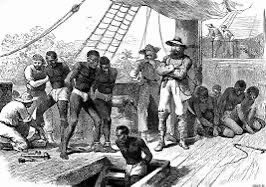
The Trans-Atlantic Slave Trade was not a passive transaction. It was a brutal, violent system imposed upon African societies by European powers hungry for profit. While some African leaders were coerced or manipulated into participating, many others resisted fiercely. Entire communities rose in defiance, and countless African heroes and sheroes paid with their lives to protect their people from capture and enslavement.
Today, the skulls and remains of these brave resisters lie in Western museum, silent witnesses to a history of bloodshed and betrayal. Their stories are rarely told, their sacrifices seldom honored. Yet they are the true faces of African resistance, not the caricatures painted by those who seek to absolve colonial powers of their crimes.
The economic foundations of many Western nations were built on the backs of enslaved Africans. The profits from the slave trade fueled the rise of capitalism, industrialization, and imperial expansion. Ports flourished, banks were founded, and fortunes amassed, all while Africa was stripped of its people, its resources, and its future.
And what does Africa have to show for this centuries long atrocity?
A continent still grappling with the aftershocks of colonialism. Borders drawn by foreign hands. Economies structured for extraction, not empowerment. Cultural erasure. Generational trauma. And a global system that continues to undervalue African lives and contributions.
To suggest that Africa was complicit in its own devastation is to ignore the overwhelming evidence of resistance, the imbalance of power, and the coercive machinery of empire. It is to spit on the graves of those who fought and died for freedom.
This is not just a matter of historical record, it is a call to remember, to honor, and to demand justice. The legacy of the Trans-Atlantic Slave Trade is not a closed chapter. It is a living wound, and healing begins with truth.