In a landmark move designed to revolutionize Ghana’s development landscape, President John Dramani Mahama on October 22, 2025, launched the Ghana Infrastructure Plan (GIP).
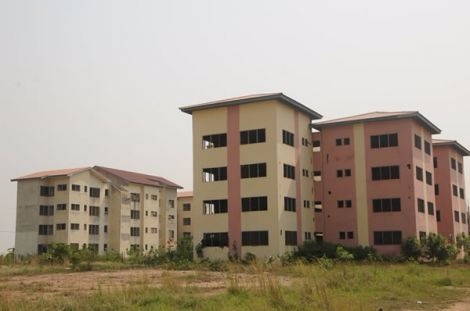
The initiative, hailed by the administration as a critical step toward efficiency, accountability, and the prudent use of public resources, directly targets the nation’s perennial challenge of abandoned projects.
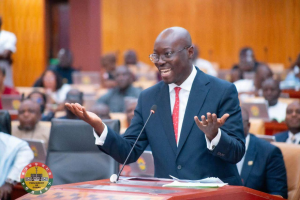
Speaking at the Accra launch, President Mahama emphatically stated that the GIP signals a firm departure from “scattered, politically driven projects” toward a coordinated, long-term investment approach focused on sustainable national development and job creation.
Ensuring Continuity and Taxpayer Value
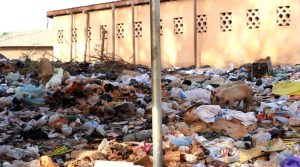
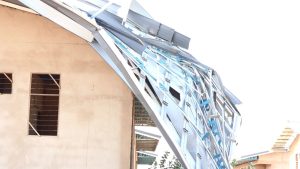
The phenomenon of successive governments failing to complete projects started by their predecessors has been a significant drag on national progress and a major source of public frustration. The GIP aims to finally break this costly cycle.
President Mahama underscored his personal commitment to continuity, citing recent visits to uncompleted sites. “Yesterday I went to the Western Region, and two of the projects I visited were projects that were advanced under the previous government. I want to assure the people of the Western Region that we are going to continue and finish these projects so that we can properly utilise taxpayers’ money,” he pledged.
This commitment to completing viable, existing projects, regardless of their political origin, is a core tenet of the new plan.
Legislative Backing for Long-Term Vision
A key factor in the GIP’s promised success is its planned legislative strength. The President confirmed the Ghana Infrastructure Plan will receive Parliamentary backing, establishing it as a national framework that transcends political transitions. This legal entrenchment is intended to ensure long-term continuity in infrastructure development, safeguarding investments from shifts in political power.
Furthermore, the next steps for the initiative will focus on developing crucial multi-sectoral linkages to ensure infrastructure supports key economic drivers like agriculture, industry, education, and health.
“We also want to develop legal and institutional reforms that enhance continuity across governments, ending the cycle of project abandonment,” the President concluded. The GIP represents a bold governmental commitment to a new era of strategic, non-partisan, and continuous national infrastructure growth.