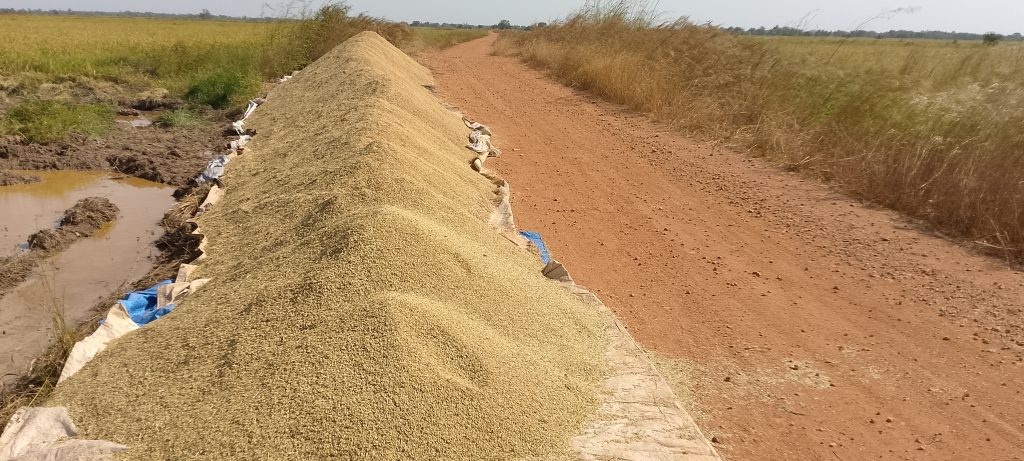
In a paradoxical twist, Ghana’s 2024 agricultural season—marked by record maize and rice yields—has turned into a crisis. Over 100,000 tonnes of grain remain unsold across farming zones, leaving producers in financial distress and exposing deep flaws in the country’s agricultural policy.
According to a recent analysis by IMANI Center for Policy and Education, the glut is not merely a result of overproduction but a symptom of systemic neglect. Ghana’s food system, they argue, is failing its producers due to:
Weak storage and logistics infrastructure that cannot absorb surplus harvests.
Cheap imports and rampant smuggling that depress local prices and erode competitiveness.
Lack of market coordination and data-driven planning, leaving farmers without viable sales channels.
Production-centric policies that ignore the broader value chain and market realities.
“When production rises faster than planning, abundance becomes a crisis,” IMANI warns.
The Peasant Farmers Association of Ghana has called for urgent government intervention, including funding for the National Food Buffer Stock Company to purchase surplus grains. Meanwhile, the Chamber of Agribusiness Ghana is urging tighter border controls and better market regulation to protect domestic producers.
This crisis underscores a critical lesson: agricultural success must be matched by strategic planning, infrastructure investment, and policy coherence. Without these, Ghana’s farmers will continue to suffer—even when they succeed.