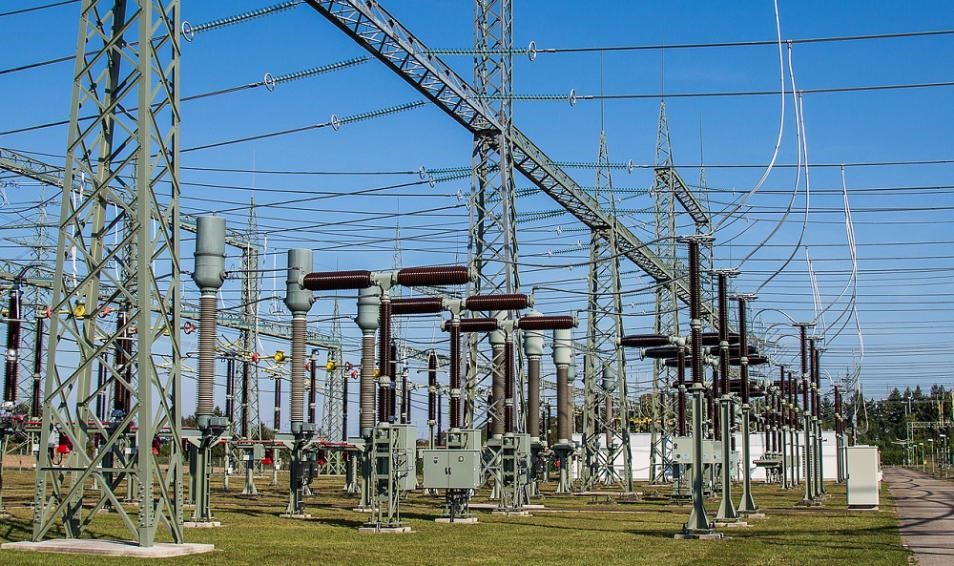
Residents and stakeholders across Buluk, comprising Bulsa North Municipality and Bulsa South District, are up in arms following another prolonged power outage that left homes, businesses and health facilities in total darkness for nearly 24 hours after what reports say was a fault at the Navrongo substation, the sole facility supplying electricity to the area.
Reports reaching Voice of Buluk suggest that the outage originated from technical challenges at the Navrongo GRIDCo/NEDCo control station.
The fallout from this latest blackout has reignited long-standing concerns about the fragile electricity infrastructure serving the Bulsa North and South communities, where no dedicated local distribution substation exists. For residents and local leaders alike, relying on a substation hundreds of kilometers away leaves the region vulnerable to frequent and sometimes lengthy power interruptions with significant socioeconomic consequences.
Blackouts, Economic Losses and Healthcare Disruptions
Local businesses reliant on electricity for operations, including cold storage, telecommunications, markets and agro-processing points, were forced to halt operations during the outage, compounding losses already felt in the rural economy.
Healthcare delivery has also been severely affected, with several Community-based Health Planning and Services (CHPS) facilities lacking reliable standby generators or alternative power sources. In many cases, essential services such as vaccine refrigeration, emergency lighting and digital record systems were compromised, heightening risks for vulnerable populations.
“This persistent dependence on the outgoing Navrongo substation leaves Buluk at the mercy of distant faults,” a community leader noted. “We cannot build our local economy or ensure reliable health services if electricity fails every time there’s a technical fault up north.”
One Substation: A Fragile Grid
Across the Upper East Region, electricity supply coverage is expanding but remains inconsistent, with only about 60% of towns and some rural areas connected to the national grid. Networks in the northern sector are managed by the Northern Electricity Distribution Company (NEDCo), which distributes power from the national grid to regions including the Upper East.
The Navrongo facility, which feeds electricity into Buluk among other areas, is part of Ghana’s wider transmission system run by the Ghana Grid Company Limited (GRIDCo). Major transmission improvements, such as the 330kV Kumasi–Bolgatanga transmission line, were commissioned in recent years to enhance stability across northern corridors, but local distribution gaps remain.
Despite these broader upgrades, reports have documented instances where faults at the Navrongo control station, including underground cable breakdowns, have disrupted power supply to Buluk, Kassena-Nankana and surrounding districts.
Residents, Leaders Demand Infrastructure Investment
Community voices and local authorities argue that given Buluk’s growing population and economic potential, it is both necessary and fair that an electricity substation be established within Bulsa North/South. Doing so, they contend, would provide:
- Localized grid resilience to reduce dependency on distant infrastructure
- Improved reliability to support businesses, health facilities and schools
- Foundation for economic growth and attraction of investment
One market trader lamented the financial losses incurred during the blackout: “Our freezers went off, stock wasted, and we couldn’t operate for nearly a day. We need power we can count on.”
What’s Next?
The government’s broader agenda for the Upper East aims to reposition the region as a hub for agribusiness, trade and industrialization, goals that will require dependable electricity infrastructure to succeed. Yet without targeted investment in local substations, Buluk’s development trajectory risks being undermined by recurring outages.
Calls are mounting for the Ministry of Energy, GRIDCo/NEDCo, and the Upper East Regional Coordinating Council to prioritize the installation and staffing of a dedicated electricity distribution substation in Buluk, paired with redundancy measures like backup generation and renewable solutions, to fortify power reliability for the region’s residents and enterprises.
Residents ask bluntly: How long will Buluk continue to rely solely on Navrongo? And how long will businesses and essential services be brought to a standstill when faults occur?
Until those questions are answered with action, the people of Buluk will continue to suffer the consequences of an overstretched and fragile power supply system.