Ghana’s law enforcement authorities have issued a stern warning to the public, declaring that the creation, circulation, or promotion of deepfake content online constitutes a criminal offence punishable under the country’s laws.
According to the Ghana Police Service, individuals who engage in producing or sharing manipulated digital content, particularly those targeting public figures, risk facing prosecution as part of intensified efforts to combat cybercrime and misinformation.
Police Intensify Crackdown on Digital Manipulation
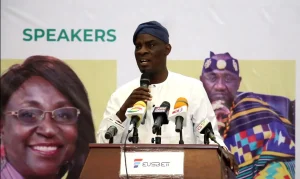
The warning was delivered by the Director-General of the Public Affairs Directorate, DCOP Grace Ansah-Akrofi, on behalf of the Inspector-General of Police. She emphasized that authorities have significantly enhanced digital surveillance systems to monitor and track offenders involved in deepfake activities.
“Creating, sharing, or promoting deepfake or fraudulent content targeting public figures constitutes a criminal offence under the laws of Ghana,” she stated, reinforcing the Service’s zero-tolerance stance.
Rising Threat of Deepfake Technology
Deepfakes, AI-generated or manipulated videos, images, or audio designed to appear real, have become a growing global concern. They are increasingly being used for disinformation, fraud, harassment, and reputational damage.
Security experts warn that such content can be weaponized to:
- Spread false information and influence public opinion
- Impersonate individuals for scams and financial fraud
- Damage reputations or incite social unrest
Legal and Social Implications
The Police Service stressed that Ghana’s existing legal framework covers offences related to cybercrime, fraud, false publication, and harassment, under which deepfake-related activities can be prosecuted.
Globally, governments are tightening regulations around deepfake usage due to its harmful effects. In many jurisdictions, both the creation and distribution of non-consensual deepfake content are being criminalized to protect victims and maintain digital integrity.
Public Advisory
The Police are urging citizens to exercise caution when sharing content online and to verify the authenticity of digital materials before forwarding or reposting.
They further advised that individuals who encounter suspicious or harmful deepfake content should report it to the authorities rather than amplifying its spread.
The warning from the Ghana Police Service signals a decisive move to clamp down on digital misinformation and cyber abuse. As deepfake technology becomes more accessible, authorities are making it clear: misuse of such tools is not just unethical, it is a punishable crime.