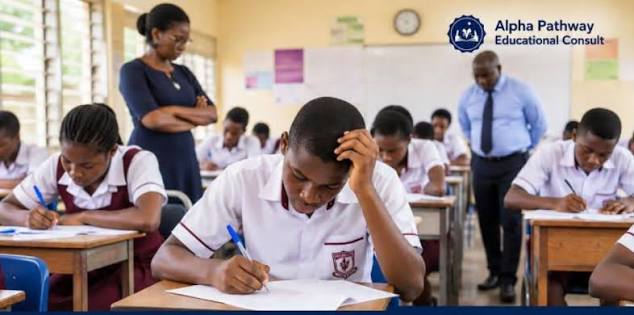
The Ghana National Association of Private Schools (GNAPS) has called on the West African Examinations Council (WAEC) to immediately investigate what it describes as “serious discrepancies” in the provisional results of the 2026 Basic Education Certificate Examination (BECE), raising fresh concerns over the credibility of this year’s national examination outcomes.
In a statement issued on Wednesday, August 5, the Association’s General Secretary, Kennedy Donkor, urged WAEC to conduct a comprehensive audit and reconciliation of affected results after numerous member schools reported that candidates’ grades did not accurately reflect their academic performance.
According to GNAPS, schools across the country have submitted complaints indicating that several students who consistently excelled in internal assessments and mock examinations received unexpectedly low grades in the BECE.
The Association argues that the volume of complaints points to possible inconsistencies that require immediate investigation to preserve public confidence in Ghana’s examination system. It stressed that the issue extends beyond isolated cases and deserves a transparent review by WAEC.
Call for Independent Verification
GNAPS is urging WAEC to undertake a detailed audit of the examination process and reconcile any results that may have been affected by errors.
The Association believes an independent verification exercise would reassure parents, students and schools that the released grades accurately reflect candidates’ performance.
It further appealed to the Ministry of Education to closely monitor the matter to ensure fairness, transparency and accountability throughout the review process.
WAEC Rejects Allegations
In response to the concerns, WAEC has dismissed claims that private school candidates were assessed using a different marking scheme from their counterparts in public schools.
The examination body maintains that all BECE scripts were marked under the same standardized procedures and grading guidelines, insisting that no separate marking system exists for private schools. WAEC has therefore rejected suggestions that candidates from private schools were deliberately disadvantaged.
The controversy has sparked widespread discussion among educators, parents and stakeholders, with many calling for greater transparency in the release and verification of examination results.
Education experts note that confidence in public examinations is essential because BECE results determine placement into senior high schools across Ghana. Any unresolved concerns regarding grading could have significant implications for thousands of candidates seeking admission into second-cycle institutions.
Stakeholders Seek Transparency
GNAPS has reiterated that its objective is not to undermine WAEC but to ensure that every candidate receives a fair and accurate assessment.
The Association says a prompt audit and clear communication from WAEC would help restore trust among schools, parents and students while safeguarding the integrity of Ghana’s education system. It has pledged to continue engaging the examination body until all reported concerns are satisfactorily addressed.
While WAEC insists that the examination process remains credible, the calls for an independent review have intensified public interest in how the concerns will be resolved in the coming days.