Ghana’s telecommunications infrastructure is facing increasing damage from activities including illegal mining, commonly known as galamsey, and road construction projects under the government’s Big Push programme.
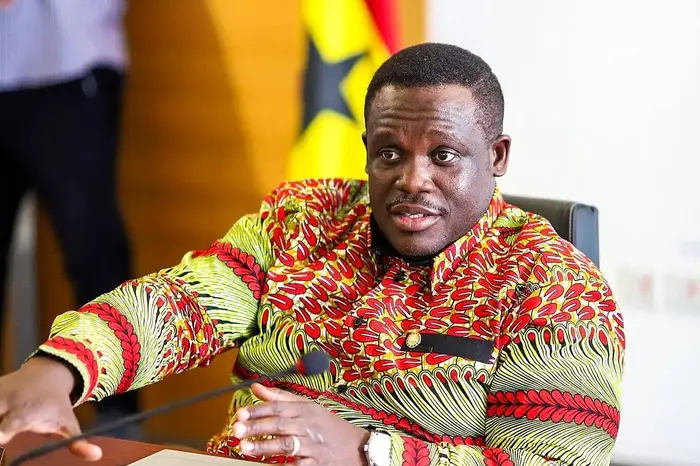
Minister for Communication, Digital Technology and Innovation, Samuel Nartey George, identified the activities as major contributors to the growing number of fibre-optic cable cuts being recorded across the country.
According to the Minister, damage to underground fibre infrastructure has become a significant concern for Ghana’s telecommunications sector because the cables are often located along road corridors where construction and excavation activities are taking place.
Galamsey threatens telecom infrastructure
Illegal mining has long been associated with environmental degradation, water pollution and the destruction of farmlands. However, its impact is increasingly extending to critical telecommunications infrastructure.
Mining and excavation activities can interfere with underground fibre routes, resulting in cable damage and disruptions to telecommunications services.
The growing incidents of fibre cuts have raised concerns about the resilience of Ghana’s digital infrastructure as demand for reliable internet and telecommunications services continues to increase.
Big Push road works also contributing to fibre cuts
The government’s Big Push road construction programme has also emerged as another major source of fibre damage.
Road construction typically involves extensive excavation, earthworks and the movement of heavy machinery. Where contractors operate around existing underground fibre routes without adequate coordination, telecommunications cables can be damaged.
Such incidents can disrupt internet connectivity and other digital services, affecting individuals, businesses and institutions that rely heavily on telecommunications networks.
Fibre-optic networks form a critical part of Ghana’s digital infrastructure, carrying large volumes of internet and telecommunications traffic.
Frequent cable cuts can therefore have consequences beyond temporary internet disruptions. Businesses that depend on stable connectivity, digital financial services, online platforms and communication systems can all be affected when fibre infrastructure is damaged.
The situation comes at a time when Ghana is seeking to expand digital connectivity and strengthen the country’s technology ecosystem.
Better coordination needed
The concerns raised by the Communications Minister highlight the need for stronger coordination between telecommunications operators, road contractors, mining activities and relevant government agencies.
Improved mapping of underground fibre routes and greater adherence to excavation and construction protocols could help reduce the risk of infrastructure damage.
As Ghana continues to invest in roads and digital infrastructure, protecting existing fibre networks will be essential to maintaining reliable connectivity and supporting the country’s growing digital economy.
The issue also underscores the importance of treating telecommunications infrastructure as critical national infrastructure that requires protection during major construction and development activities.