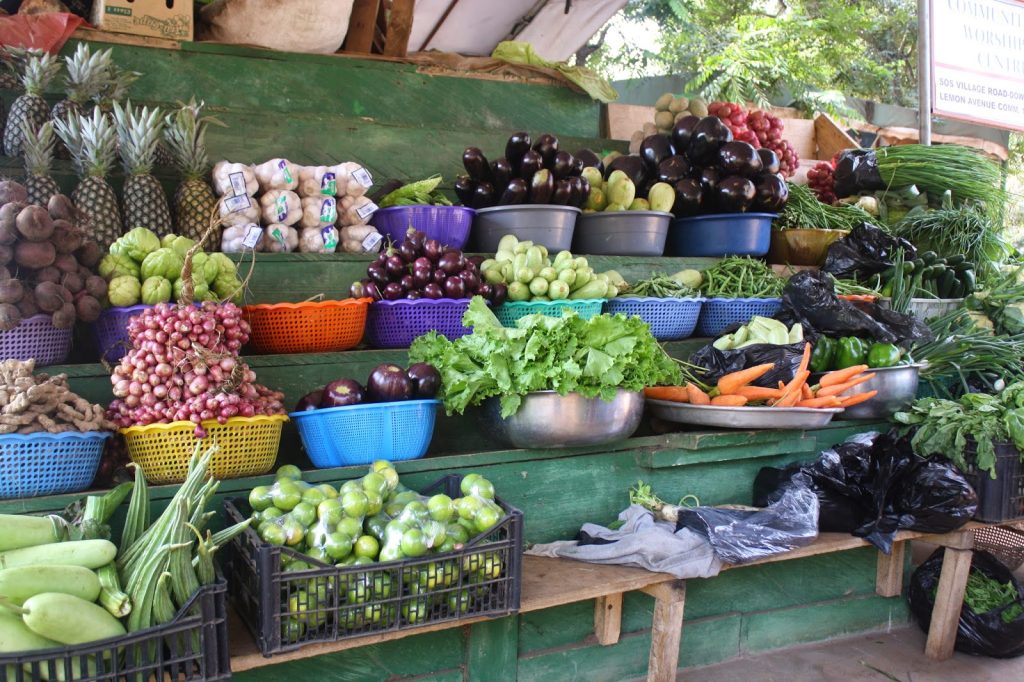
A new scientific review has raised concerns about food safety in Ghana after finding that vegetables grown in some illegal mining-affected communities contain potentially toxic metals at levels exceeding international food safety limits.
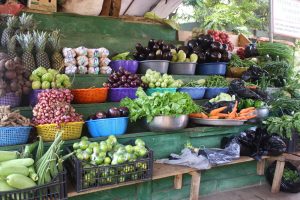
The review analysed 45 scientific studies covering 11 mining districts and examined how contamination from mining-affected soil and irrigation water can enter commonly consumed vegetables, including tomatoes, pepper, garden eggs and onions.
Published in the journal Environmental Monitoring and Assessment, the study identified lead, cadmium, chromium, mercury and arsenic as the five potentially toxic elements of concern. The findings highlight the possible health risks facing communities where farming takes place close to mining operations or relies on potentially contaminated water sources.
The research was conducted by Eric Osei Bonsu of the CSIR-Crops Research Institute in Kumasi, alongside co-authors Michael Kwabena Osei, Harry Okyere and James Korang.
Mercury and arsenic levels exceed international safety limits
One of the most concerning findings was that lead, arsenic and mercury concentrations in vegetables exceeded World Health Organization (WHO) and Food and Agriculture Organization (FAO) Codex limits at several locations, particularly in samples from the Ashanti and Western regions.
At the most contaminated sites included in the review, arsenic levels reached up to 200 times the applicable limit, while mercury levels reached up to 400 times the limit. These are extreme measurements from individual sites and should not be interpreted as typical contamination levels across Ghana.
The findings suggest that illegal mining can threaten food safety beyond the immediate destruction of farmland and pollution of rivers. Toxic elements may accumulate in agricultural soils and enter crops through their roots or through contact with contaminated water.
This is particularly concerning for farming communities that depend on locally grown vegetables for household consumption and income.
Cadmium poses a significant risk to tomatoes and garden eggs
The review found that cadmium had the highest soil-to-plant transfer among the five elements examined in tomatoes and garden eggs.
In the affected samples, the transfer factor exceeded 1.0, meaning the concentration of cadmium in a vegetable could equal or exceed its concentration in the underlying soil. However, this ratio alone does not establish the precise mechanism through which a plant absorbs the metal.
Cadmium contamination is a food safety concern because prolonged exposure can damage the kidneys and affect bone health.
The researchers also examined chromium, which showed comparatively low transfer from soil into vegetables. However, they cautioned that this finding should not automatically be interpreted as evidence of safety, because most of the studies reviewed did not distinguish between different chemical forms of chromium, including the more toxic hexavalent form.
Study identifies potential health risks for regular consumers
Beyond measuring individual metals, the researchers assessed the combined potential non-cancer health risks associated with consuming contaminated vegetables.
The review found that the cumulative hazard index exceeded 1.0 in every mining-adjacent community where the index could be calculated. A value above 1.0 indicates a potential non-cancer health concern under the exposure assumptions used in the assessment; it does not mean that consumers have already developed an illness.
The researchers warned that regular consumption of contaminated vegetables could expose people to multiple potentially toxic elements over time.
The actual level of risk depends on factors including the concentration of each metal, how frequently the vegetables are consumed, the amount eaten and the duration of exposure.
The study therefore highlights the need for more systematic food safety monitoring and further research linking contamination measurements to actual human exposure.
Galamsey threatens agricultural production and food safety
Illegal small-scale mining, commonly known as galamsey, has been associated with environmental damage, including the degradation of farmland and the pollution of water bodies.
The latest review points to another possible consequence: contamination moving through the food chain from mining-affected soil and water into vegetables consumed by local communities.
Tomatoes, pepper, garden eggs and onions are widely used in Ghanaian meals, making the safety of these crops an important public health and agricultural issue.
However, the findings do not establish that all vegetables grown in Ghana, or even all produce from mining districts, are contaminated at dangerous levels. The review documents risks at specific locations and identifies gaps in the available evidence.
Researchers call for targeted monitoring and stronger safeguards
The researchers recommended several measures to address the potential risks associated with vegetables grown in mining-affected areas.
These include:
- Regular testing: Monitor vegetables, agricultural soils and irrigation water in mining-affected districts to identify contamination hotspots.
- Improved food handling: Wash vegetables thoroughly to reduce surface contamination before preparation and consumption.
- Better scientific research: Distinguish between different chemical forms of arsenic and chromium, improve assessments of combined exposure and conduct long-term monitoring of human exposure.
- Location-specific farming safeguards: Use contamination data to guide decisions on buffer zones between mining operations and agricultural land.
The researchers stressed that washing can reduce contamination on the surface of vegetables but cannot remove toxic metals already absorbed into plant tissues. Testing and preventing contamination at its source are therefore essential.
Call for action to protect Ghana’s food supply
The findings add to concerns about the wider environmental consequences of illegal mining and the potential effects on communities that depend on agriculture for food and livelihoods.
For farmers, the contamination risk could undermine consumer confidence in produce from affected areas. For public health authorities, it underscores the importance of identifying contaminated farms and irrigation sources before potentially unsafe produce reaches markets.
The review also highlights the need for coordinated action involving environmental regulators, agricultural researchers, food safety authorities and local governments.
As Ghana continues to confront the environmental effects of galamsey, protecting the country’s food supply must form part of the response. Effective monitoring, responsible farming practices and action against the sources of pollution will be important in reducing the risk of toxic metals entering the food chain.