About 15,000 health workers in Ghana are reportedly earning as little as GH¢600 per month, highlighting concerns over low remuneration within parts of the country’s healthcare workforce.
The figure has renewed attention on the working and financial conditions of health workers, particularly those employed in positions where monthly earnings remain significantly below what many would expect for workers providing essential healthcare services.
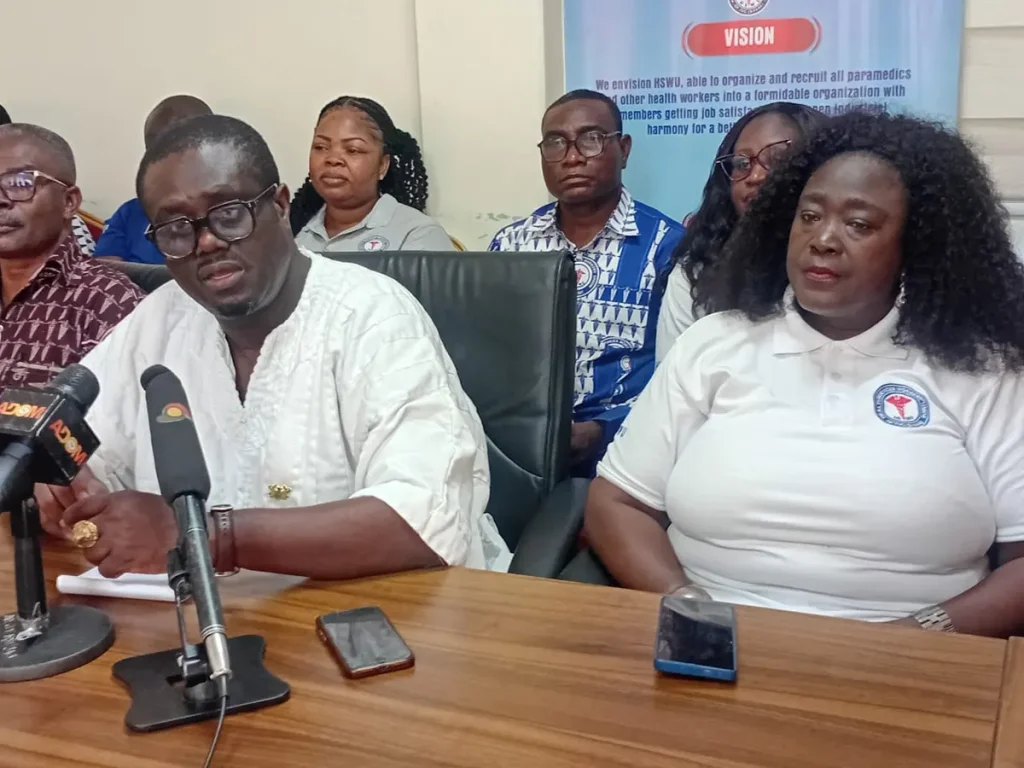
The development was reported by 3News on September 7, 2026, in a report featuring the Health Services Workers’ Union (HSWU).
Health workers face low-income concerns
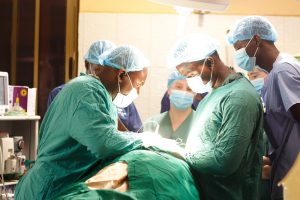
Health workers form a critical part of Ghana’s healthcare system, providing services ranging from frontline patient care to administrative, technical and support functions.
However, the reported earnings of as little as GH¢600 per month for about 15,000 workers raise questions about remuneration, job security and the broader conditions under which some healthcare personnel operate.
For workers who depend entirely on their monthly income, such low earnings can create significant financial pressure, particularly amid rising costs of food, transportation, accommodation and other basic necessities.
The issue also comes at a time when Ghana continues to grapple with challenges surrounding the recruitment, retention and deployment of healthcare professionals.
The reported low earnings are part of a wider human-resource challenge confronting Ghana’s health sector.
In July 2025, Health Minister Kwabena Mintah Akandoh told Parliament that more than 70,000 trained health professionals were seeking employment. The figure included nurses, allied health professionals, pharmacists and medical doctors.
The situation illustrates the complexity of Ghana’s healthcare workforce. While thousands of trained professionals remain without jobs, other workers in the sector reportedly continue to face concerns about inadequate compensation.
The imbalance has implications for both healthcare workers and the delivery of health services, particularly in underserved communities where retaining experienced personnel can be difficult.
Calls for better conditions
The reported income levels are likely to intensify calls for improved remuneration and better working conditions for health sector employees.
Beyond basic salaries, healthcare workers often consider allowances, opportunities for professional development, job security and working conditions when deciding whether to remain in a particular role.
Improving these conditions is important for attracting and retaining skilled personnel, especially as Ghana seeks to expand access to primary healthcare and strengthen services at the community level.
The government recently announced the expansion of the Free Primary Healthcare programme to 135 districts across all 16 regions, further increasing the importance of an adequately supported health workforce.
Low pay and healthcare delivery
The remuneration of health workers is not only an employment issue. It can also have consequences for healthcare delivery.
When workers face persistent financial difficulties, morale and retention can become concerns. For Ghana, where healthcare services in rural and underserved areas already face staffing challenges, maintaining a motivated workforce is particularly important.
The reported GH¢600 monthly earnings therefore raise a broader question about whether compensation across the health sector adequately reflects the responsibilities and demands placed on workers.
As Ghana continues to invest in expanding healthcare access, attention to the welfare and remuneration of the people delivering those services will remain crucial.
The reported figure of about 15,000 health workers earning as little as GH¢600 per month is likely to add to ongoing discussions about employment, wages and working conditions in Ghana’s health sector.