The Bank of Ghana (BoG) has warned the public against the improper use, abuse and defacement of Ghana cedi notes and coins, cautioning that some popular practices at social events are unlawful and could result in arrest, prosecution, fines or imprisonment.
The warning targets practices including spraying money at weddings and other celebrations, making money bouquets, dancing or stepping on banknotes, and using cedi notes as decorations.
The central bank said the measures are intended to protect the quality, integrity and functionality of Ghana’s currency, which remains the country’s legal tender.
Spraying money at events is unlawful
The Bank of Ghana said the practice of throwing or “spraying” cedi notes at weddings, funerals, parties and other social gatherings constitutes improper use of the national currency.
Although money spraying has become a common feature of celebrations in Ghana, the BoG’s position is that banknotes must be handled in a manner that preserves their condition and allows them to remain fit for circulation.
The central bank has therefore urged members of the public to discontinue the practice and handle cedi notes responsibly.
Money bouquets also banned
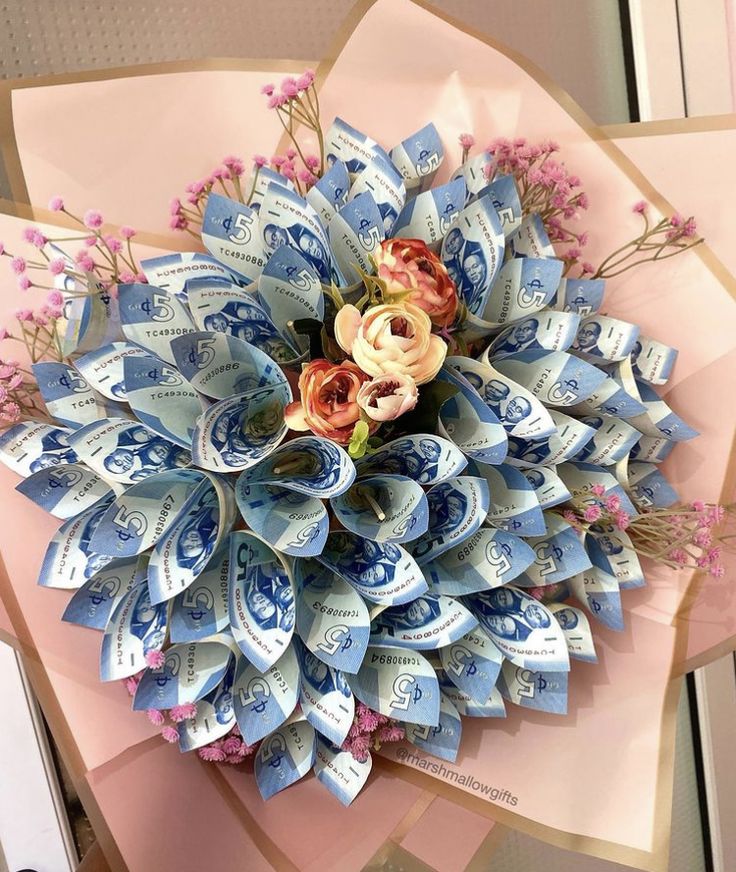
The BoG has also specifically cautioned against the growing practice of creating money bouquets for weddings, birthdays, graduations and other celebrations.
Money bouquets typically involve arranging cedi notes into decorative floral designs and presenting them as gifts.
According to the central bank, using banknotes in this manner amounts to improper use of the national currency and is contrary to the law.
The warning could have implications for individuals and businesses that specialise in preparing cash bouquets and other decorative money arrangements for social events.
Dancing or stepping on cedis is also prohibited
The central bank’s warning extends beyond money spraying and bouquets.
The BoG said dancing or stepping on banknotes, as well as scattering cash on the ground during celebrations, is also prohibited.
Other forms of improper handling include tearing, crumpling, staining, soiling, mutilating or otherwise damaging banknotes and coins.
The Bank has also cautioned against writing on banknotes, cutting or altering them and using images of Ghana’s currency without the required approval.
BoG warns against using cedis as decorations
The central bank further identified the use of banknotes and coins for decorative and artistic purposes as prohibited.
This includes using currency for artistic displays, jewellery, fingernail designs and other creative arrangements that interfere with the normal use of the currency.
The BoG said such practices can undermine the quality and functionality of banknotes and coins in circulation.
What the law says about Ghana cedi
The Bank of Ghana’s position is backed by provisions of the Currency Act, 1964 (Act 242) and the Bank of Ghana Act, 2002 (Act 612), as amended.
These laws provide the legal framework for protecting Ghana’s currency and regulating how banknotes and coins are handled.
The central bank said persons who violate the relevant provisions could face arrest, prosecution, fines or imprisonment.
It also indicated that it would work with law enforcement agencies to address breaches of the law.
BoG also warns against tampering with coins
The warning is not limited to paper currency.
The Bank of Ghana said people must not alter coins through practices such as gilding, silvering, colouring, filing, cutting or defacing them.
Changing the appearance, weight or value of coins is also prohibited.
The BoG further warned against possessing filings, scrapings or parts of coins obtained through unlawful tampering.
Why the Bank of Ghana is concerned
The central bank said it has observed increasing cases of misuse and unconventional handling of currency notes and coins.
According to the BoG, such practices affect the quality, integrity, functionality and public image of the Ghana cedi.
The Bank also pointed out that significant public resources are spent every year on printing banknotes and minting coins.
Improper handling can shorten the lifespan of currency and increase the frequency with which damaged notes must be withdrawn and replaced.
The BoG is therefore calling on individuals, businesses and institutions to help preserve the condition of Ghana’s currency.
Public urged to protect the cedi
The Bank of Ghana is urging the public to treat cedi notes and coins as more than ordinary objects used in social celebrations.
It wants Ghanaians to recognise the cedi as the country’s legal tender and handle it in a way that preserves its value, appearance and usability.
The central bank has also encouraged the public to report suspected violations to the appropriate authorities.
The latest warning is expected to generate renewed discussion around traditional practices such as money spraying at weddings and other celebrations, particularly as the BoG moves to emphasise that certain forms of currency use are not merely inappropriate but potentially criminal offences under Ghanaian law.