The Driver and Vehicle Licensing Authority (DVLA) has seized more than 130 vehicles suspected to have been cloned or imported into Ghana through channels intended to evade payment of import duties, following the deployment of new vehicle clone-detection technology.
The development marks a major step in the DVLA’s efforts to strengthen vehicle verification, combat vehicle-related fraud and improve the integrity of Ghana’s national vehicle register.
DVLA deploys OBD II scanners to detect cloned vehicles
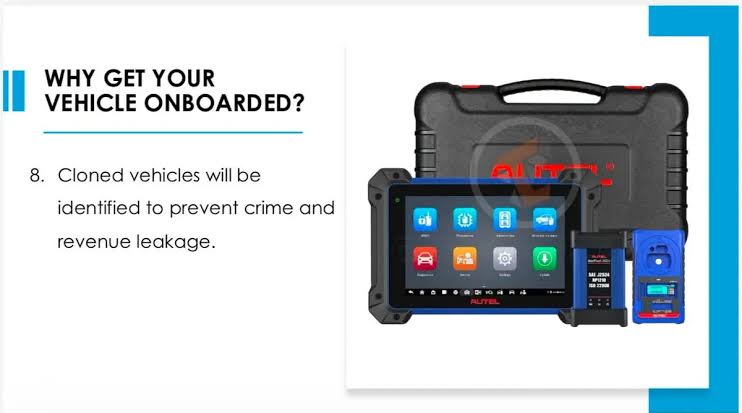
According to DVLA Chief Executive Officer Julius Neequaye Kotey, the authority has integrated vehicle clone-detection machines, known as OBD II scanners, into its vehicle verification and registration processes.
The scanners are designed to detect vehicles whose Vehicle Identification Numbers (VINs) may have been fraudulently duplicated.
A cloned vehicle typically involves the unlawful use of the identity or VIN of a legitimate vehicle. This can create serious problems for the genuine owner, particularly when the DVLA’s records indicate that the vehicle has already been registered.
Mr Kotey explained that the new technology is intended to identify such cases during the verification and registration process, rather than waiting for problems to emerge after a vehicle has been registered.
More than 130 vehicles intercepted
Following the introduction of the clone-detection systems, the DVLA intercepted and seized more than 130 vehicles suspected of either being cloned or entering Ghana without the required import duties being paid.
The seizures highlight the potential scale of vehicle fraud and duty evasion that can occur when vehicles enter the country through unauthorised channels.
The DVLA says the deployment of the scanners provides a more proactive approach to detecting irregular vehicles and protecting the reliability of the national vehicle database.
Genuine vehicle owners could be affected
One of the key concerns addressed by the new technology is the possibility of legitimate vehicle owners being wrongly flagged because criminals have duplicated their vehicles’ VINs.
According to Mr Kotey, a fraudulent duplication of a legitimate VIN can result in the genuine vehicle being identified in the DVLA’s system as having already been registered.
This means the consequences of vehicle cloning can extend beyond the perpetrators and directly affect innocent vehicle owners who may be required to prove the legitimacy of their vehicles.
DVLA works with Customs to regularise affected vehicles
The DVLA has also established a temporary arrangement with the Customs Division to allow affected vehicle owners to regularise their vehicles and settle outstanding import duty payments.
The arrangement is intended to provide a pathway for owners whose vehicles have been identified in connection with duty-related irregularities to resolve their status with the relevant authorities.
Technology to strengthen Ghana’s vehicle registration system
The introduction of OBD II scanners forms part of broader efforts by the DVLA to improve the security and reliability of Ghana’s vehicle registration system.
By detecting suspected cloned vehicles during verification, the authority hopes to prevent fraudulent vehicles from being successfully registered and reduce the risk of legitimate vehicles being compromised by duplicated identification numbers.
The latest seizures demonstrate the role technology can play in strengthening enforcement and protecting the integrity of Ghana’s vehicle registration database.
The DVLA has not indicated that all of the seized vehicles were definitively cloned or that all were involved in the same type of offence; the vehicles remain suspected of cloning or duty evasion based on the authority’s detection processes.