A new joint study by the Food and Drugs Authority (FDA) and the United Nations Children’s Fund (UNICEF) has uncovered alarming levels of lead, cadmium, and mercury contamination in several popular food and cosmetic products across all 16 regions of Ghana.
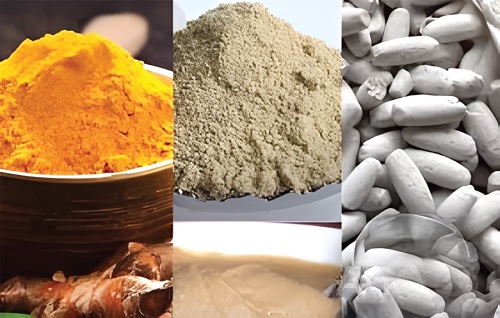
The nationwide assessment analysed 1,691 samples of commonly used products, including turmeric, cereal mixes (such as Tom Brown), bentonite clay (ayilo), kohl (kajikaji), and various skin-lightening creams and lotions — many of which are frequently used by women and children.
Kohl Records Lead Levels 100 Times Above Safe Limits
Lead contamination was especially severe in kohl, a cosmetic widely used around the eyes.
UNICEF health specialist, Dr. Emmanuel Kyeremateng-Amoah, revealed that some samples recorded lead levels as high as 11,000ppm, far exceeding the safe limit of 20ppm.
He noted that the contamination was particularly common in unbranded, locally produced kohl, with a disturbing 78% failure rate recorded in the Upper East and Eastern regions.
Turmeric, Cereal Mixes, and Ayilo Also Unsafe
The study also highlighted widespread contamination in other products:
- Turmeric: 42.1% failure rate for lead
- Worst affected: Greater Accra and Central Region
- Contamination mostly found in branded, packaged products sold in supermarkets
- Cereal mixes (Tom Brown): 29% national failure rate for cadmium
- Bentonite clay (Ayilo): 24.6% failure rate for lead
- Highest contamination seen in North East and Greater Accra regions
Dr. Kyeremateng-Amoah added that industrial waste, including used car batteries and poor e-waste recycling practices, was a significant source of the contamination.
UNICEF Calls for a National Action Plan
UNICEF and its partners are currently developing a national plan to address heavy metal contamination.
Dr. Kyeremateng-Amoah urged the media to help amplify the findings and called on the Ministry of Health to strengthen its capacity for lead testing and diagnosis, especially in vulnerable communities.
Children at Greater Risk — FDA Warns
The Deputy CEO of the FDA, Roderick Kwabena Daddey-Adjei, warned that children are the most at risk from lead exposure.
He stressed that children absorb four to five times more lead than adults, placing them at high risk of:
- Brain development issues
- Speech and hearing impairment
- Learning difficulties
- Anaemia
- Aggressive behaviour
- Kidney damage
Even prenatal exposure can cause miscarriage or stillbirth, he added.
“This is why a national roadmap is critical to prevent exposure and protect children across the country,”
— Roderick Kwabena Daddey-Adjei, FDA
Solutions and Next Steps
The FDA outlined several interventions, including:
- Setting new standards for local fabricators of pots and cooking utensils
- Providing training to prevent the use of contaminated materials
- Intensifying public sensitisation on heavy metal dangers
- Strengthening systems for reporting food safety violations
The Authority also appealed for additional resources to improve testing equipment and regulatory capacity.
Proposal for Tax Holidays to Promote Safer Utensils
The Director of the Women in Agriculture Development Directorate (WIAD), Paulina S. Addy, proposed tax holidays for manufacturers of stainless steel utensils to encourage safer food preparation practices nationwide.
She noted that WIAD is committed to collaborating with the FDA and other agencies to address food safety concerns.