The Ministry of Health has declared a yellow fever outbreak in parts of Ghana’s Upper West Region after laboratory tests confirmed three cases, all of which resulted in deaths.
The Ministry of Health, in collaboration with the Ghana Health Service (GHS) and the World Health Organisation (WHO), announced the outbreak on Friday, October 9, 2026, following investigations into suspected infections reported at health facilities in the region.
According to the Ministry, the suspected cases were reported from September 9, 2026, in the Sissala West and Wa West districts. Patients presented with symptoms including fever, jaundice and bleeding, raising concerns among health authorities.
Samples collected from suspected cases were initially tested in Ghana before further laboratory investigations at a WHO-accredited laboratory in Dakar, Senegal, confirmed three infections as yellow fever. All three confirmed cases resulted in deaths despite medical intervention.
The declaration has prompted health authorities to intensify surveillance, deploy rapid response teams and prepare an emergency vaccination campaign to protect residents in affected and high-risk communities.
Health authorities activate emergency response measures
Following confirmation of the cases, the Ministry of Health activated the National and Regional Public Health Emergency Operations Centres to coordinate the response and strengthen efforts to contain the outbreak.
Rapid Response Teams have also been deployed to affected communities to conduct case finding, monitor suspected infections and educate residents on the risks associated with yellow fever.
The teams are expected to support surveillance activities, identify possible additional cases and communicate preventive measures to residents, particularly in communities where the confirmed infections were reported.
The Ministry said it was preparing a targeted emergency vaccination campaign for affected and at-risk districts, including Wa West, Sissala West and Sissala East, during October 2026.
The response also includes improved case management at designated health facilities, heightened disease surveillance across the region and intensified community engagement to ensure that residents understand how to protect themselves.
Upper West Region residents urged to watch for yellow fever symptoms
The Ministry of Health has urged residents of the Upper West Region and other potentially affected communities to remain vigilant and seek immediate medical attention if they develop symptoms associated with yellow fever.
The warning signs include sudden fever, headache, muscle pain, yellowing of the eyes or skin and unusual bleeding.
Jaundice, which causes yellowing of the eyes and skin, can indicate a serious stage of the illness. Residents experiencing these symptoms have been advised to report to the nearest health facility promptly rather than attempt to treat themselves.
The Ministry has also cautioned against self-medication, stressing the importance of early medical assessment and appropriate care when symptoms develop.
Health professionals are expected to play a critical role in identifying suspected cases, providing treatment and supporting surveillance activities to prevent further spread of the disease.
What is yellow fever and how does it spread?
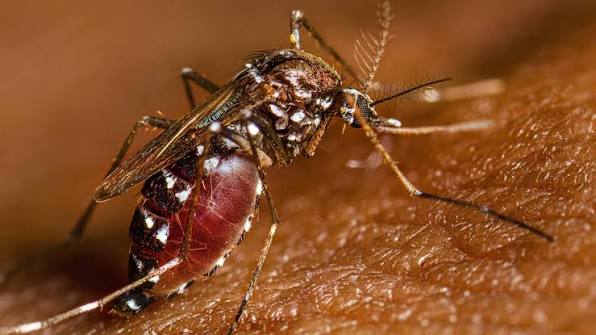
Yellow fever is a viral disease transmitted through the bites of infected mosquitoes. It occurs mainly in tropical regions of Africa and South America and can cause severe illness, particularly among people who lack immunity against the virus.
The disease can initially present with fever, headache, muscle pain, backache, nausea, vomiting and general weakness. While some patients recover after the initial phase, others develop severe complications, including jaundice, bleeding and damage to vital organs.
There is no specific antiviral medicine that cures yellow fever. Medical management focuses on treating symptoms and complications, while vaccination remains the most effective means of preventing the disease.
The outbreak has therefore renewed the importance of mosquito control, early reporting of suspected infections and public cooperation with vaccination and other preventive interventions.
Public advised to eliminate mosquito breeding sites
As part of efforts to contain the outbreak, the Ministry of Health has encouraged residents to reduce their exposure to mosquitoes and eliminate conditions that allow the insects to breed around homes and communities.
Residents are advised to remove stagnant water, use mosquito repellents and sleep under insecticide-treated mosquito nets. Other protective measures include wearing clothing that covers the body and ensuring that water storage containers are properly covered.
The Ministry has also called on traditional leaders, religious leaders, civil society organisations, the media and the general public to support public education and the national response.
Community cooperation will be essential in ensuring that suspected cases are reported promptly, health advice is followed and accurate information reaches residents in affected districts.
The Ministry has urged the public to rely on official updates from the Ministry of Health and the Ghana Health Service rather than circulate rumours or unverified information.
Emergency vaccination campaign expected in affected districts
The planned emergency vaccination campaign is expected to form a central part of efforts to control the outbreak and protect vulnerable populations.
Wa West, Sissala West and Sissala East have been identified among the districts targeted for the intervention. Residents are encouraged to follow announcements from health authorities regarding vaccination arrangements, eligibility and designated vaccination points.
The outbreak highlights the importance of coordinated action between health authorities, local leaders and residents to limit transmission and prevent further deaths.
With three confirmed cases resulting in deaths, the immediate priority is to strengthen surveillance, ensure timely access to healthcare, improve public awareness and implement vaccination measures in communities considered at risk.
The Ministry of Health has reaffirmed its commitment to protecting public health and called on all stakeholders to support the measures being implemented to contain the outbreak.