Who would have thought that a NATO member state could openly declare solidarity with Denmark in a dispute against the United States of America not over trade or climate, but over the fundamental issue of national sovereignty?
Yet, this is the new geopolitical reality of 2025.
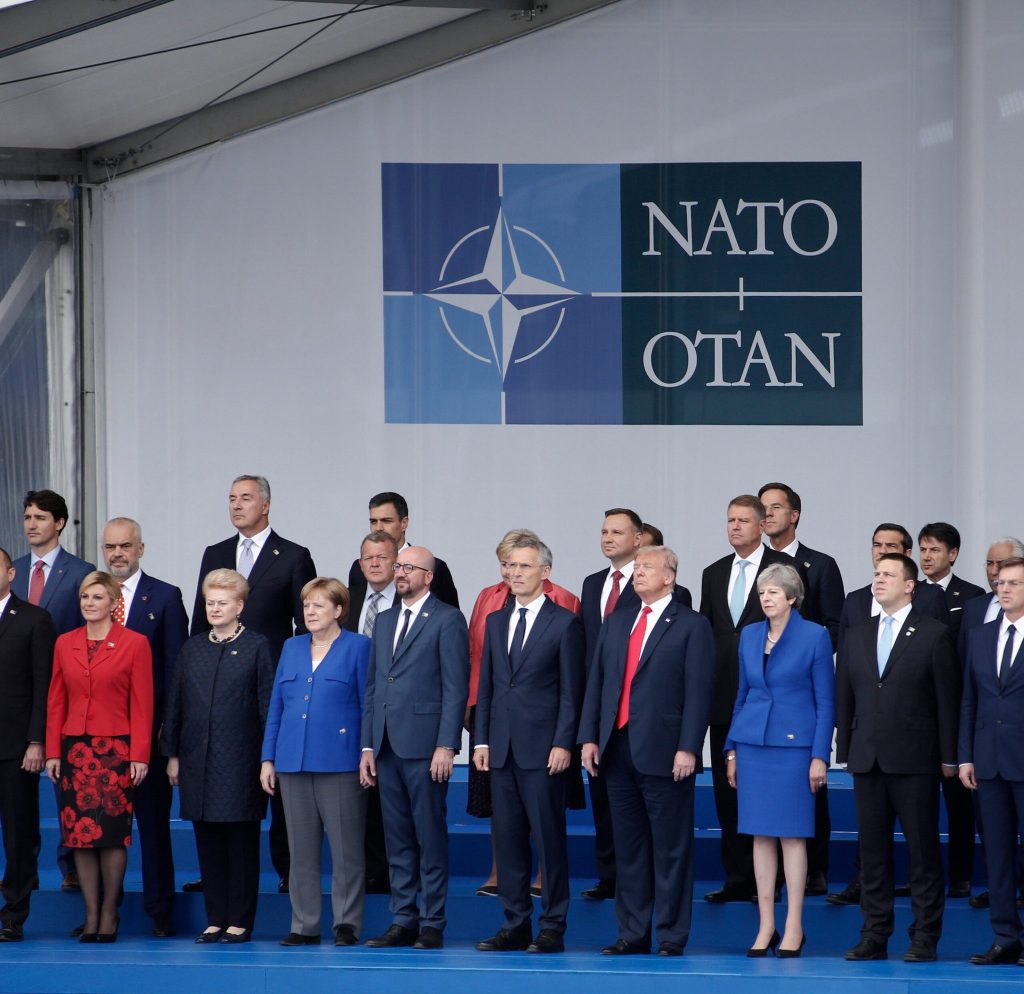
The once-unified North Atlantic Treaty Organization (NATO) is showing signs of internal strain. The United States, traditionally the alliance’s cornerstone, has distanced itself from fellow NATO members who continue to vocally support Ukrainian President Volodymyr Zelensky in the ongoing conflict with Russia. While European allies act as cheerleaders for Ukraine, Washington appears to be recalibrating its stance. A move that has raised eyebrows across diplomatic circles.
In a bold geopolitical maneuver, Russia has declared full support for Venezuela in its escalating confrontation with the U.S. Even more surprising is the pivot by Brazilian President Luiz Inácio Lula da Silva, who once called for a rerun of Venezuela’s last presidential election. Lula is now openly backing President Nicolás Maduro, signaling a dramatic shift in Latin American diplomacy and a growing resistance to U.S. influence in the region.
Back in West Africa, the U.S. Forward Operating Base in Ghana remains fully active. This comes despite earlier uproar from opposition leaders in the National Democratic Congress (NDC), who criticized the Akufo-Addo administration for signing the U.S.-Ghana Defence Cooperation Agreement. The silence from critics today is as notable as the base’s continued operations.
The Economic Community of West African States (ECOWAS), under the leadership of Nigerian President Bola Ahmed Tinubu, had suspended Niger, Mali, and Burkina Faso following military coups. But in a surprising twist, Nigeria is now engaging diplomatically with Burkina Faso, signaling a potential thaw in relations and a pragmatic shift in regional politics.
These developments underscore a broader trend: global political realignments are accelerating, and long-standing alliances are being redefined. From NATO’s internal divisions to Latin America’s shifting loyalties and West Africa’s diplomatic recalibrations, the world is entering an era where national interest often trumps ideological consistency.
In this new world order, principles are increasingly negotiable, and yesterday’s adversaries may become today’s allies.
Indeed, what a world.