For the Builsa people of Buluk—spanning both Builsa South and Builsa North districts—farming has always been more than just a livelihood. It’s a way of life, deeply rooted in tradition, identity, and community. But today, farming is not only sustaining families—it’s beginning to show signs of serious profitability.
Thanks to improved access to fertilizer, seeds, and modern farming techniques, yields have steadily increased over the past decade. Maize, rice (especially the famed Fumbisi rice), groundnuts, and soybeans are now cultivated not just for household consumption but for sale in local and regional markets.
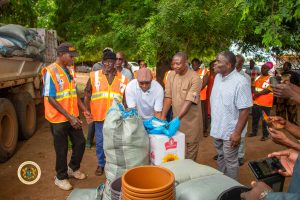
Market days in Sandema and Fumbisi are livelier than ever, with farmers proudly selling surplus produce. The introduction of agro-processing machines and small-scale rice mills has added value to raw products, putting more money into the pockets of local farmers. With government initiatives like Planting for Food and Jobs and support from NGOs, farming is becoming a profitable business venture—especially for young people returning to the land.
However, profitability doesn’t come without its challenges. Post-harvest losses, unpredictable rainfall patterns, and market access remain issues that farmers are eager to solve. Yet, the resilience of the Builsa farmer shines through.
Farming in Buluk is evolving—from subsistence to surplus, from struggle to strategy. And with the right investments and support, the fields of Builsa are set to harvest not just crops, but economic transformation.