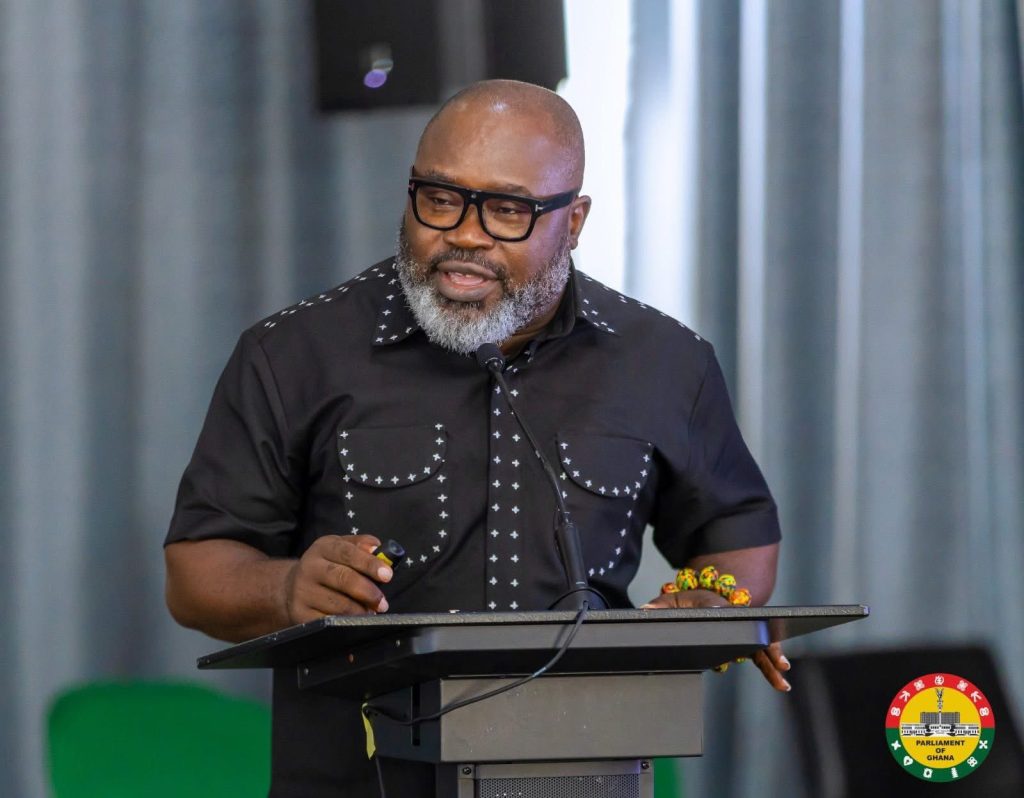
At a 2026 Budget Workshop for Members of Parliament, education policy advocate Kofi Asare delivered a passionate appeal for urgent reforms in Ghana’s education sector. His central message: education in 2026 cannot succeed without the recruitment of at least 30,000 new teachers for basic schools, particularly in underserved communities.
“No teachers, no learning,” Asare declared, emphasizing the need to deploy educators to foundational levels where the learning crisis is most acute.
He criticized the current centralized teacher deployment system, which he said leads to a surplus in urban centers like Tamale while rural districts such as Chereponi suffer from chronic shortages. Asare called on the Minister for Education to direct the Ghana Education Service (GES) to fully decentralize teacher postings using verified vacancy data and regional quotas
Turning to Technical and Vocational Education and Training (TVET), Asare proposed that Workplace Experience Learning and Personal Protective Equipment (PPEs) be included under the Free SHS budget to ease the financial burden on parents.
He highlighted a critical gap in the education-to-employment pipeline: Ghana produces 500,000 secondary school graduates annually, but only 200,000 transition to tertiary education. Without a skills-rich Free SHS program, he warned, the country risks worsening its 32% youth unemployment rate.
To address this, Asare recommended:
A 20% quota for TVET in all secondary school infrastructure projects.
Converting 6 out of 30 planned E-blocks into technical and vocational institutes.
Infrastructure and Oversight
Acknowledging the over 1,200 basic school projects announced in the 2025 and 2026 budgets—including new schools, teacher quarters, and sanitation facilities—Asare urged MPs to partner with Eduwatch in monitoring implementation for quality and accountability.
“Eduwatch will continue to provide technical assistance to Ghana’s Parliament to deepen their budgetary oversight on the executive,” he affirmed.
As budget deliberations continue through November, Asare’s interventions are expected to shape parliamentary priorities in education financing and reform.