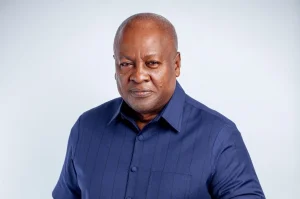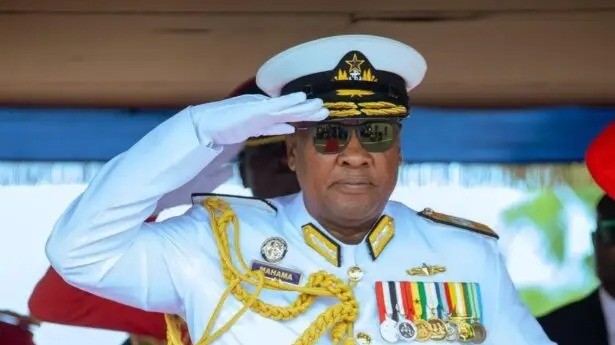
President John Dramani Mahama has imposed an immediate ban on international travel by boards of state-owned enterprises and public institutions for training, conferences, retreats, and study tours funded with public resources.
The directive, issued from Jubilee House on March 5, aims to curb what the presidency describes as the escalating cost of overseas trips by board members of government institutions.
The order was formally communicated in a statement signed by Callistus Mahama, following growing concerns about the financial burden such travels have placed on the national budget.
Presidency Raises Alarm Over Rising Cost of Board Travel
According to the directive, the presidency has observed a rising trend in international travel by boards of state-owned enterprises and public institutions for activities including training programmes, retreats, conferences, and study tours.
While acknowledging that international exposure can enhance professional development and improve governance standards, the government expressed concern about the high cumulative cost associated with these trips.
Expenses related to airfares, accommodation, per diem allowances, and other logistics were cited as major contributors to increasing public expenditure.
Officials noted that such spending had become particularly worrying at a time when the government is implementing measures aimed at strengthening fiscal discipline and protecting the public purse.
Immediate Ban with Limited Exceptions
The directive imposes a comprehensive and immediate halt to all international travel by boards of state-owned enterprises and public institutions when funded directly or indirectly by taxpayer resources.
However, the presidency indicated that exceptional circumstances may be considered where international engagement is deemed unavoidable.
In such cases, institutions must submit a formal request through their sector minister to the Office of the President for approval.
The final decision will require explicit authorization from President Mahama before any travel arrangements can proceed.
Requests must include detailed documentation outlining:
- The purpose and expected outcomes of the trip
- Its strategic relevance to the institution’s mandate
- The number of participants proposed
- The estimated total cost
- Justification for why the engagement cannot be conducted locally or virtually
Government Encourages Local Training and Virtual Engagements
As part of the directive, ministries and affiliated institutions have been urged to prioritize local training programmes, in-country retreats, and collaborations with Ghanaian institutions.
The presidency specifically encouraged partnerships with local universities, professional bodies, and training institutions as more cost-effective alternatives to overseas travel.
Where specialized expertise is required, institutions are advised to explore virtual platforms, technical exchanges, and short-term expert engagements within Ghana instead of sending large board delegations abroad.
Part of Broader Fiscal Discipline Measures
The presidency described the directive as part of a broader strategy by the government to tighten expenditure controls and reduce non-essential public spending.
Officials say the savings generated from these measures will allow the government to redirect resources toward priority national programmes, infrastructure development, and social interventions that directly benefit citizens.
Ministers have been tasked with ensuring that boards focus primarily on their statutory governance and oversight responsibilities, while carefully evaluating the necessity and cost-effectiveness of any training or capacity-building initiatives.
All ministries have also been instructed to immediately communicate the directive to boards, chief executive officers, and management teams of state-owned enterprises and public institutions under their supervision and ensure strict compliance.
The presidency concluded by expressing appreciation for the cooperation of ministries and agencies in implementing the policy.