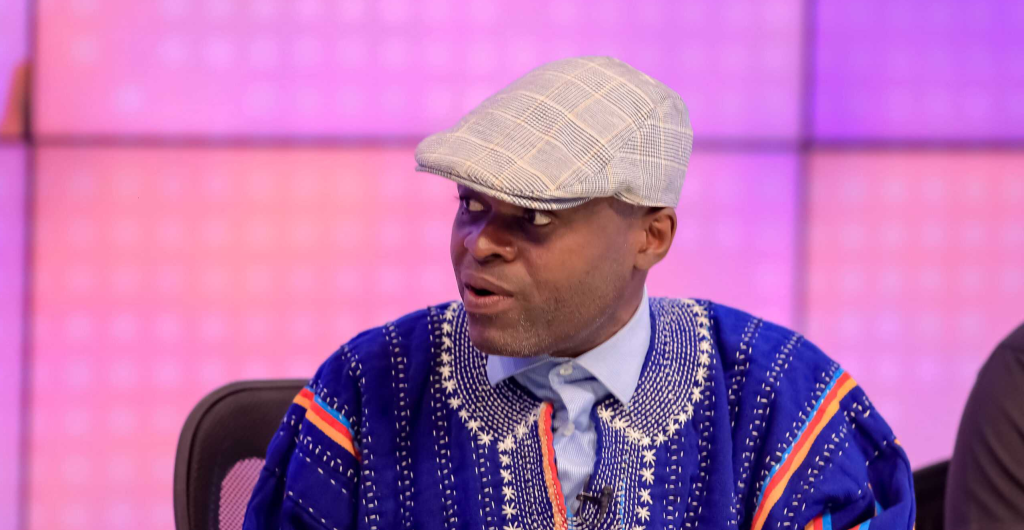
Prominent private legal practitioner Martin Kpebu has called for the immediate resignation of the Auditor-General, Johnson Akuamoah Asiedu, following shocking revelations of GH¢2.5 billion in financial irregularities uncovered at the National Service Scheme (NSS).
According to a recent forensic and technical audit report by the Auditor-General’s Department, the irregularities stem from system bypasses, poor governance practices, payroll manipulation, and vendor mismanagement between 2018 and 2024.
In one startling instance, the report revealed that Deputy Executive Director of the NSS, Gifty Oware-Mensah, was wrongly listed on the Scheme’s payroll as service personnel, despite holding a full-time public office position.
Kpebu Blames Auditor-General for Negligence
Speaking on 3FM’s Hot Edition on October 29, Mr. Kpebu expressed deep concern over what he described as years of institutional failure and negligence by the Auditor-General and his management team.
“It tells you that the Auditor-General has been sleeping on the job all these years, or was conniving with the previous administration,” he said.
“Where was the Auditor-General when all these things were happening? Because if there hasn’t been a change in government, all these things wouldn’t have come out. So I think he should honorably resign. He and his management members should just go.”
Kpebu emphasized that the latest revelations raise serious questions about accountability and oversight within Ghana’s public financial management system. He further argued that such negligence undermines public trust in the Office of the Auditor-General, which is constitutionally mandated to protect the public purse.
Forensic Audit Exposes Deep-Rooted Corruption
The GH¢2.5 billion NSS scandal adds to a growing list of financial accountability issues uncovered across various state institutions. Analysts say the findings highlight the urgent need for stronger governance systems, transparency measures, and independent oversight in Ghana’s public sector.
The revelations come amid ongoing national conversations about public sector corruption, financial accountability, and the role of state agencies in upholding fiscal discipline.