Nigeria has confirmed an imported case of Ebola virus disease in its capital, Abuja, prompting health authorities to intensify contact tracing and disease surveillance to prevent further transmission.
The case involves a female patient with a recent travel history involving Uganda in East Africa. Laboratory tests confirmed the infection on October 20, 2026, according to the World Health Organization (WHO).
The patient is currently in isolation and receiving medical care at a health facility in Abuja, while authorities work to establish the source of the infection and identify anyone who may have been exposed.
Nigeria’s Health Minister, Muhammad Ali Pate, said 44 contacts had been identified as part of efforts to contain the disease.
The development makes Nigeria the fifth country to detect the virus since an outbreak of Ebola Bundibugyo virus disease was declared in the Democratic Republic of the Congo (DRC) on May 15, 2026.
Nigeria Intensifies Ebola Contact Tracing
Following confirmation of the case, Nigerian health authorities have begun tracing people who may have come into contact with the patient.
The exercise is intended to identify potential exposures early, monitor contacts for symptoms and ensure that anyone who develops signs of the disease receives prompt medical attention.
The Nigeria Centre for Disease Control and Prevention (NCDC) has activated its incident management system to coordinate the response.
Health authorities are also strengthening infection prevention and control measures at the private health facility where the patient initially sought treatment.
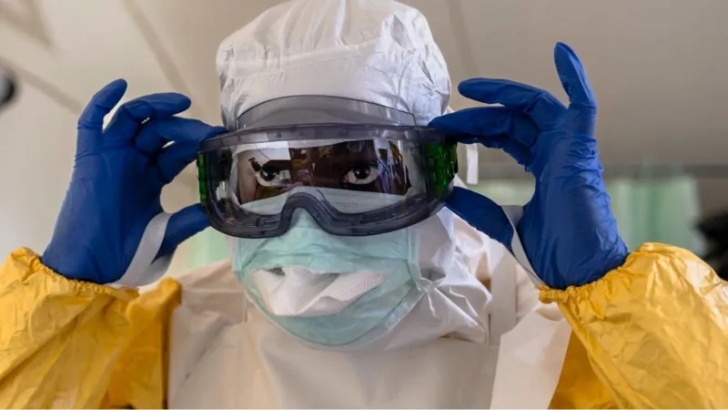
The WHO is supporting Nigeria’s response through case investigations, contact tracing, infection prevention measures and the provision of essential supplies, including protective equipment for healthcare workers.
Authorities are also working to reconstruct the patient’s travel and exposure history to determine where the infection may have occurred.
Was the Ebola Infection Acquired in Uganda?
Although the patient travelled through Uganda before the case was confirmed in Nigeria, her travel history does not establish that she contracted the virus there.
Ugandan health authorities have indicated that the patient also travelled to eastern Democratic Republic of the Congo for business before transiting through Uganda.
Uganda, which previously reported cases associated with the regional outbreak, declared itself free of the disease in August 2026 after its last patient was discharged.
The precise source of the Nigerian patient’s infection remains under investigation.
The distinction is important because travel through a country does not necessarily mean that infection occurred there. Investigators must establish the patient’s movements, possible exposures and the timing of symptoms before drawing conclusions.
Ebola Outbreak Spreads Across Several African Countries
Nigeria’s confirmation comes amid a wider Ebola outbreak that has affected several countries across Africa.
The outbreak in the Democratic Republic of the Congo, which began in May 2026, has been caused by the Bundibugyo species of the Ebola virus.
Kenya has also reported nine cases linked to an imported infection in recent weeks, according to reports from health authorities.
The spread across multiple countries has heightened concerns about cross-border transmission and the need for coordinated public health responses.
The WHO has urged countries across the region to strengthen disease surveillance, maintain laboratory testing capacity, prepare rapid-response teams and reinforce infection prevention measures in healthcare facilities.
The organisation has also advised against imposing travel or trade restrictions on affected countries, while continuing to assess the evolving situation.
What the Public Should Know About Ebola
Ebola is a severe viral disease that can cause fever, weakness, headache, vomiting, diarrhoea and, in some cases, internal or external bleeding.
The virus can spread through direct contact with the blood or other bodily fluids of an infected person who is symptomatic, or with contaminated materials. It can also spread through contact with the bodies of people who have died from the disease.
People who develop symptoms after a possible exposure should seek prompt medical assessment and inform healthcare workers about their travel or contact history.
Members of the public should follow guidance issued by official health authorities rather than rely on unverified reports or rumours.
Nigeria Draws on Experience from the 2014 Ebola Outbreak
Nigeria previously contained an Ebola outbreak in 2014, demonstrating the importance of early detection, contact tracing and coordinated public health action.
The current case has renewed the need for vigilance at healthcare facilities and points of entry, particularly as the wider outbreak continues to evolve across national borders.
For now, the priority is to monitor identified contacts, determine the source of the infection and prevent further transmission.
The WHO continues to work with Nigerian authorities and other partners to support containment measures and strengthen regional preparedness.